If you want smoother handheld video without a steep learning curve, the right gimbal can make a huge difference. A beginner-friendly model should balance stability, weight, battery life, and simple controls.
This roundup focuses on options that are easier to set up and use, whether you shoot with a mirrorless camera, smartphone, or hybrid rig.
Best 10 Camera Gimbal for Beginners Picks for 2026
Fast-Setup Pro Pick
DJI RS 4 Mini Camera Gimbal for Beginners

- Auto axis locks speed up setup
- Supports cameras and smartphones
- Fast vertical switch for social video
Best For: Beginners who want quick setup and flexible camera support
Compact Travel Creator
4K Pocket Gimbal Camera for Beginners

- Pocket-sized and travel friendly
- 330° auto face tracking built in
- WiFi sharing for quick uploads
Best For: Beginners who want an easy all-in-one vlogging camera
Ultra-Light Learning Pick
DJI RS 3 Mini Camera Gimbal for Beginners
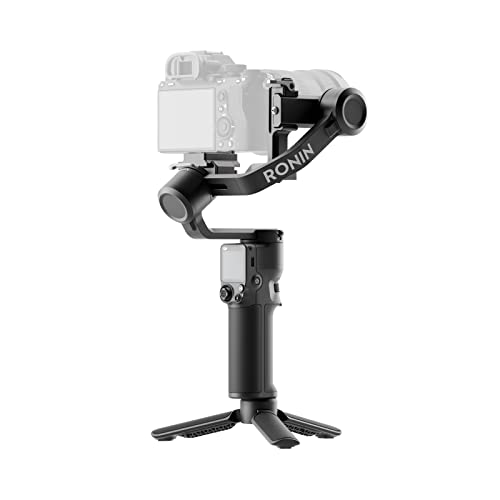
- Lightweight 795g design
- Bluetooth shutter control
- Native vertical shooting support
Best For: Beginners wanting a compact gimbal with easy core controls
Phone Creator Starter
DJI Osmo Mobile 7 Gimbal for Beginners

- 3-axis stabilization for phones
- Built-in tripod and foldable design
- ActiveTrack 7.0 and ShotGuides
Best For: First-time smartphone creators who want simple stabilization and tracking
Pro-Grade Power for New Creators

- 7.72 lb payload for DSLR and mirrorless rigs
- Built-in AI Tracking 4.0 with no app pairing
- Native vertical mounting for quick portrait video
Best For: Beginner filmmakers using heavier cameras who want tracking and vertical shooting
All-in-One Compact Starter Gimbal

- Works with mirrorless cameras, smartphones, and action cams
- Built-in AI tracking without app connection
- Includes carrying case, fill light, and extension rod
Best For: Beginners who want a compact, versatile stabilizer for multiple devices
Lightweight Learning-Friendly Stabilizer

- 3 kg payload for common DSLR and mirrorless setups
- Native vertical shooting built in
- Up to 16 hours of battery life
Best For: First-time gimbal buyers who want lightweight handling and portrait shooting
Beginner-Friendly All-in-One
hohem iSteady MT3 3-Axis Gimbal

- Built-in AI tracker works without app or Bluetooth limits
- Adjustable fill light helps in low-light filming
- Fast vertical switch is easy for beginners
Best For: Beginners wanting a flexible multi-device gimbal
Pro Control Made Simpler
FeiyuTech SCORP-C2 Camera Gimbal

- Built-in AI tracking needs no app or extra module
- Arca quick release speeds setup and rebalance
- OLED touchscreen and Magic Wheel add direct control
Best For: Beginners with mirrorless cameras who want onboard controls
Compact Creator Pick

- Supports cameras, smartphones, and action cams
- AI tracking adds 360° infinite follow control
- Detachable handle doubles as a remote
Best For: Beginners who want a compact, versatile gimbal
Fast-Setup Pro Pick – DJI RS 4 Mini Camera Gimbal for Beginners
If you’re looking for a camera gimbal for beginners that cuts down on setup time, the DJI RS 4 Mini is built around speed and simplicity. Auto axis locks, smoother Teflon-enhanced balancing, and a fast vertical switch make it easier to get shooting quickly, while the lightweight design still supports mirrorless cameras, vlog cams, and even smartphones.
Best For: Beginners who want a quick, flexible gimbal for cameras or phones with easy setup and social-ready vertical shooting.
Pros:
- Auto axis locks help it get ready in about 1 second
- Fast vertical switch supports mobile-friendly content creation
- Intelligent Tracking and Responsive Follow Mode help keep motion smooth
- Supports cameras and smartphones up to 2kg/4.4lbs
Cons:
- Requires the DJI Ronin app from DJI’s official website, not Google Play
- May be more gimbal than a first-time phone-only user needs
Overall, this is a strong starter choice if you want beginner-friendly handling without giving up creator-focused features. It is especially appealing for people who expect to grow into more advanced filming workflows.
Compact Travel Creator – 4K Pocket Gimbal Camera for Beginners
If you want a camera gimbal for beginners without carrying a separate stabilizer, this pocket-sized 4K vlogging camera keeps things simple. Its built-in horizontal gimbal stabilizer, 330° auto face tracking, and WiFi sharing make it a straightforward pick for travel, casual vlogging, and quick uploads.
Best For: New creators who want an all-in-one pocket camera with stabilization and easy wireless sharing.
Pros:
- Ultra-light pocket design is easy to carry on trips
- 330° auto face tracking helps keep subjects framed
- Built-in horizontal gimbal stabilizer adds steadier handheld footage
- WiFi makes file transfer and sharing faster
Cons:
- Compatible with phone mounting/tripod use rather than traditional camera rigs
- Not water resistant
This is a practical starter option if your priority is portability and convenience over modular gear. It works well for creators who want to shoot, share, and move on with minimal setup.
Ultra-Light Learning Pick – DJI RS 3 Mini Camera Gimbal for Beginners
For a camera gimbal for beginners that keeps the learning curve manageable, the DJI RS 3 Mini focuses on portability and core controls. Its 795g body, Bluetooth shutter control, native vertical shooting, and 1.4-inch touchscreen make it easier to handle while still supporting a wide range of mirrorless camera and lens setups.
Best For: Beginners who want a lightweight camera gimbal with simple controls and strong compatibility.
Pros:
- Very lightweight at 795g for easier extended use
- Bluetooth shutter control simplifies capture and recording
- Native vertical shooting is useful for social content
- Supports camera and lens combinations up to 2kg/4.4lbs
Cons:
- Requires the DJI Ronin app for activation and full functionality
- App availability is limited because it is not on Google Play
It is a sensible entry point if you want a real camera gimbal rather than a phone-only tool. The small size and built-in controls should help new users feel more confident during their first shoots.
Phone Creator Starter – DJI Osmo Mobile 7 Gimbal for Beginners
If you’re shopping for a camera gimbal for beginners and you mainly shoot on a phone, the DJI Osmo Mobile 7 is built to make the first step easy. Its 3-axis stabilization, foldable design with built-in tripod, ActiveTrack 7.0, and ShotGuides in the DJI Mimo app create a beginner-friendly path to steadier footage and simpler editing.
Best For: First-time phone creators who want easy stabilization, tracking, and an all-in-one portable design.
Pros:
- 3-axis stabilization helps keep phone footage smooth
- Built-in tripod and foldable design improve convenience
- ActiveTrack 7.0 helps keep subjects in focus
- Lightweight 300g body with up to 10 hours of use
Cons:
- Designed for phones, not dedicated cameras
- DJI Mimo app must be downloaded from DJI’s official website
This is the easiest fit if your content starts with a smartphone and you want guided tools rather than a more complex rig. It balances portability, battery life, and beginner-friendly features well.
Pro-Grade Power for New Creators – FeiyuTech SCORP-C2
If you’re looking for a camera gimbal for beginners but want room to grow, the FeiyuTech SCORP-C2 is built to handle heavier DSLR and mirrorless setups without feeling underpowered. Its 7.72 lb payload, built-in AI tracking, and native vertical shooting make it a strong pick for creators who want simple, practical tools for learning handheld stabilization.
Best For: Beginner filmmakers and solo creators using larger mirrorless or DSLR cameras who want AI tracking and vertical shooting.
Pros:
- High 7.72 lb payload supports heavier camera and lens combinations.
- Built-in AI Tracking 4.0 can follow faces and bodies without app or Bluetooth pairing.
- Native vertical mounting makes portrait videos faster to set up for social media.
- Integrated underslung handle and quick-axis locks help improve comfort during long shoots.
Cons:
- May be more gimbal than a first-time user needs if you’re only filming lightweight gear.
- Its feature set is geared toward advanced shooting, so it may take time to learn all controls.
The SCORP-C2 stands out if you want a beginner-friendly path into more serious camera work, especially when your gear is already on the heavier side. It balances hands-free tracking, vertical video support, and long runtime in a package that can grow with your skills.
All-in-One Compact Starter Gimbal – FeiyuTech SCORP Mini 2 Kit
The FeiyuTech SCORP Mini 2 Kit is a flexible camera gimbal for beginners who want one stabilizer that can work with a mirrorless camera, smartphone, or action camera. Its 1.2 kg payload, built-in AI tracker, and included fill light make it especially appealing for casual shooters who want simple stabilization with extra creator-friendly features.
Best For: New creators who want a lightweight, portable gimbal that can handle multiple device types.
Pros:
- Supports mirrorless cameras, smartphones, DSLR cameras, and action cameras.
- Built-in AI tracking works without connecting to an app.
- Included wireless fill light and carrying case add value for mobile shooting.
- 1.3-inch touch screen and five-way joystick are designed for easier control.
Cons:
- 1.2 kg payload is suited to lighter setups rather than full-size rigs.
- Some users may outgrow it if they move to heavier camera-and-lens combinations.
For beginners, this kit is attractive because it keeps the learning curve lower while still offering useful extras like AI tracking and a fill light. If portability and versatility matter more than raw lifting power, it is an easy model to start with.
Lightweight Learning-Friendly Stabilizer – ZHIYUN Weebill 3E
The ZHIYUN CINEPEER Weebill 3E is a practical camera gimbal for beginners who want a lightweight design and straightforward stabilization for DSLR or mirrorless shooting. With a 3 kg tested payload, native vertical shooting, and Bluetooth shutter control, it covers the core features most new users need without adding too much bulk.
Best For: First-time gimbal buyers who want lightweight handling, vertical video support, and all-day battery life.
Pros:
- 3 kg payload supports many common mirrorless and DSLR camera setups.
- Native vertical shooting is built in, so you do not need extra accessories for portrait video.
- Bluetooth shutter control adds convenient wireless recording and photo triggering.
- Up to 16 hours of battery life helps cover long shooting days.
Cons:
- Canon, Sony, and other brands may require extra control cables for full camera connection.
- Some accessories mentioned for Sling Mode 2.5 are sold separately.
For beginners, the Weebill 3E is appealing because it focuses on the basics: stable footage, portrait shooting, and manageable weight. Just be sure to check cable compatibility before buying so your camera setup works as expected.
Beginner-Friendly All-in-One – hohem iSteady MT3 3-Axis Gimbal
If you’re shopping for a camera gimbal for beginners, the hohem iSteady MT3 is appealing because it combines stabilization, AI tracking, and fill light support in a package that works across several device types. It’s designed to make smoother shooting easier without forcing you to rely on extra app steps or complicated setup.
Best For: Beginners who want one gimbal that can handle mirrorless cameras, smartphones, and action cams.
Pros:
- Built-in AI tracker follows the subject without app or Bluetooth restrictions.
- Adjustable CCT/RGB fill light helps when filming in darker settings.
- Fast vertical switching is simple enough for beginners.
- Lightweight design still supports a wide 4-in-1 device range.
Cons:
- Compatibility depends on the provided compatibility sheet.
- Not the lightest option once fully set up with camera gear.
The MT3 stands out as a practical starter option because it reduces the number of accessories you need to think about. If you want a flexible first gimbal with beginner-friendly switching and useful built-ins, this is a strong place to start.
Pro Control Made Simpler – FeiyuTech SCORP-C2 Camera Gimbal
The FeiyuTech SCORP-C2 is a good camera gimbal for beginners who want room to grow into more advanced shooting. Its built-in AI tracking, quick-release system, and onboard controls make it easier to start filming smoothly without depending on a phone for every adjustment.
Best For: Beginners with mirrorless or interchangeable-lens cameras who want stronger payload support and onboard control.
Pros:
- Built-in AI tracking works without an app or extra module.
- Arca quick release and balance memory features help speed setup.
- OLED touchscreen and Magic Wheel offer direct camera control.
- Up to 13 hours of battery life supports longer shoots.
Cons:
- Heavier-duty design may feel more involved than a simple phone-first gimbal.
- Best results depend on proper balancing of the camera setup.
Overall, the SCORP-C2 is a solid pick if you want a beginner-accessible gimbal that still feels capable for serious camera work. It favors control, payload, and tracking over a stripped-down learning curve.
Compact Creator Pick – FeiyuTech SCORP Mini 3 Pro
If you want a camera gimbal for beginners that can grow with your gear, the FeiyuTech SCORP Mini 3 Pro offers a compact but feature-rich route. It supports mirrorless cameras, smartphones, and action cameras, while built-in AI tracking and modular controls keep the learning curve manageable.
Best For: Beginners who want a versatile, compact gimbal with tracking and remote-style flexibility.
Pros:
- Four-in-one compatibility covers cameras, smartphones, and action cams.
- AI tracking adds fast response and 360° infinite tracking follow.
- Detachable handle can be used as a remote control.
- Modular design makes horizontal and vertical switching easier.
Cons:
- Max payload is 2 kg, so larger rigs will be limited.
- Feature-rich design may be more than some first-time users need.
This model makes sense if you want a smaller gimbal that still covers a lot of shooting styles. It balances beginner-friendly operation with enough flexibility to remain useful as your setup improves.
How We Picked the Best Camera Gimbal for Beginners
We looked for models that are practical for first-time users, with a focus on straightforward balancing, clear controls, and features that help reduce trial and error. Payload support, portability, battery performance, and app or AI-assisted tools also mattered. For a Camera Gimbal for Beginners, ease of learning is just as important as stabilization quality.
Quick Comparison
Some options are best for smartphones and lightweight vlogging setups, while others are built for mirrorless and compact camera rigs. If you want the simplest start, smartphone gimbals and lightweight 3-axis models are usually the easiest to manage. If you plan to grow into larger lenses or a more advanced camera body, choose a gimbal with extra payload headroom.
Key Buying Factors for a Camera Gimbal for Beginners
Compatibility and Payload
Start by matching the gimbal to your device type and total rig weight. A camera body alone may fit easily, but a lens, microphone, or light can push you past the rated limit. Leave some margin so the motors do not work too hard.
Ease of Setup
Look for clear balance markers, quick-release plates, and simple motor locking. These details matter more than flashy extras when you are learning.
Weight and Portability
A lighter gimbal is easier to carry, hold, and operate for longer shoots. That is especially important if you are filming travel, events, or casual content.
Smart Features
AI tracking, fill lights, and companion apps can be helpful, but they should not replace good ergonomics. Use them as convenience features, not the main reason to buy.
Control Layout and Display
Buttons, joystick placement, and screen clarity affect how quickly you can adjust settings. A simple interface is often better than a crowded one for first-time users.
Who Should Buy Which Camera Gimbal for Beginners?
If you shoot on a phone, choose a compact smartphone gimbal for the shortest learning curve. If you use a mirrorless camera, a lightweight 3-axis model with a sensible payload rating is usually the best starting point. Hybrid creators who switch between devices should look for flexible mounts and broad compatibility. For a Camera Gimbal for Beginners, the safest choice is usually the model that matches your current gear, not the one with the most features.
As a final check, buy the simplest gimbal that supports your setup today and leaves room for a little future growth. That approach keeps the learning curve manageable while still giving you noticeably steadier video.