Choosing a beginner camera for nature photos is easier when you focus on image quality, zoom range, and simple controls. The best picks help you capture landscapes, flowers, birds, and trail moments without a steep learning curve.
In this roundup, we narrowed the field to beginner-friendly cameras that balance value, portability, and outdoor versatility for new photographers.
Best 10 Beginner Camera for Nature Photos Picks for 2026
Best Starter Mirrorless Pick
Canon EOS R100 Mirrorless Camera Kit

- 24.1MP APS-C sensor for detailed nature shots
- Dual Pixel AF with animal detect support
- Compact body with RF-S 18-45mm kit lens
Best For: New photographers wanting a lightweight mirrorless starter for hikes and landscapes
Budget DSLR Classic
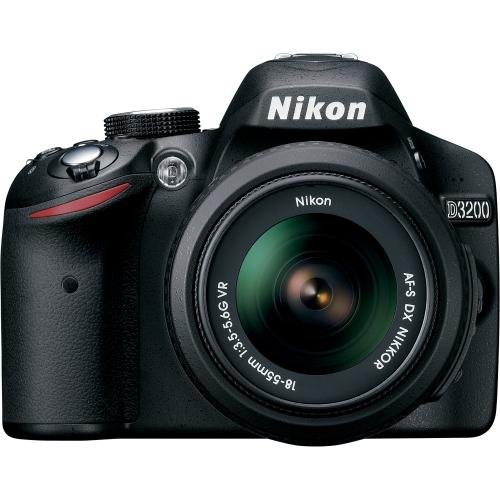
- 24.2MP DX sensor with EXPEED III processing
- Includes 18-55mm zoom lens and optical viewfinder
- Certified refurbished with 90-day warranty
Best For: Budget-minded beginners who want a simple DSLR for landscapes and casual outdoor shots
Easy-Use DSLR Bundle
Canon EOS Rebel T7 Kit with Bag and Card

- 24.1MP APS-C sensor with DIGIC 4+ processor
- Built-in Wi-Fi, NFC, and beginner-friendly controls
- Includes lens, bag, and 64GB memory card
Best For: Beginners who want a ready-to-shoot DSLR bundle for nature and travel
Long-Zoom Value Pick
KODAK PIXPRO AZ405 Bridge Camera

- 40x optical zoom for distant nature subjects
- 20MP sensor plus 24mm wide-angle lens
- OIS and AA battery convenience for travel
Best For: Beginners who want one camera with long zoom for wildlife and travel
Beginner DSLR Pick
Canon EOS Rebel T7 with 18-55mm Lens

- 24.1MP sensor for detailed stills
- 9-point AF with AI Servo for focus help
- Scene Intelligent Auto keeps it simple
Best For: New photographers who want an easy DSLR for nature stills
Budget Compact Option

- 16MP compact camera for easy everyday shots
- 4x optical zoom with 27mm wide-angle lens
- Lightweight body runs on AA batteries
Best For: Casual beginners who want a simple, portable outdoor camera
Best Mirrorless Starter
Canon EOS R100 RF-S18-45mm Kit

- 24.1MP APS-C sensor with natural bokeh
- Dual Pixel AF and 143 focus zones
- Compact mirrorless body with kit extras
Best For: Beginners who want a small mirrorless camera for stills and 4K video
Easy Starter Point
Duluvulu 4K Compact Autofocus Camera

- 48MP stills and 4K video
- Autofocus with 16X digital zoom
- Includes 2 batteries and SD card
Best For: Teens and beginners wanting a lightweight outdoor camera
Most Flexible Beginner DSLR
Canon EOS Rebel T7 18-55mm Kit

- 24.1MP APS-C sensor
- Includes 18-55mm lens
- Built-in Wi-Fi and NFC
Best For: Beginners who want a traditional DSLR for learning photography
Budget DSLR Bundle

- 18MP APS-C sensor and 9-point AF
- Includes 18-55mm lens and 64GB card
- Wi-Fi support with accessories
Best For: Budget-minded beginners who want a full DSLR bundle
Best Starter Mirrorless Pick – Canon EOS R100 Mirrorless Camera Kit
If you want a beginner camera for nature photos that stays light on the trail, the Canon EOS R100 is an easy entry point. Its 24.1MP APS-C sensor, Dual Pixel CMOS AF, and compact mirrorless body make it a practical choice for learning landscapes, flowers, and wildlife at a manageable price.
Best For: Beginners who want a small mirrorless camera for hiking, travel, and general nature photography.
Pros:
- 24.1MP APS-C sensor delivers detailed stills with natural-looking bokeh.
- Dual Pixel CMOS AF covers a wide area and includes face, eye, animal, and vehicle detect.
- Compact and lightweight body is easy to carry outdoors.
- Includes a versatile RF-S 18-45mm zoom lens for everyday nature scenes.
Cons:
- No image stabilization in the camera body.
- 18-45mm lens is useful for general shots but not a long telephoto option.
- Fixed LCD screen limits angle flexibility.
Overall, the R100 is a strong starter option if you want modern autofocus and interchangeable-lens flexibility without a bulky setup. It is best suited to learning composition and capturing wider nature scenes rather than reaching far into the distance.
Budget DSLR Classic – Nikon D3200 with 18-55mm Lens
The Nikon D3200 is a straightforward beginner camera for nature photos if you prefer a traditional DSLR body and optical viewfinder. Its 24.2MP APS-C sensor, EXPEED III processing, and included 18-55mm zoom lens give you a familiar, easy-to-learn setup for landscapes, parks, and casual outdoor shooting.
Best For: Beginners who want an affordable DSLR feel with an included zoom lens for everyday outdoor photography.
Pros:
- 24.2MP DX-format sensor provides plenty of resolution for stills.
- Includes an 18-55mm AF-S DX NIKKOR zoom lens for general-purpose shooting.
- Optical viewfinder offers a classic DSLR shooting experience.
- Certified refurbished unit includes original accessories and a 90-day warranty.
Cons:
- Older DSLR design lacks the newer autofocus features found in mirrorless models.
- Continuous shooting is modest at 4 fps.
- No 4K video; max video is Full HD 1080p.
The D3200 is a practical pick if you value simple controls and a familiar DSLR workflow over the latest tech. It works well as a learning camera for nature subjects, though it is less advanced for fast-moving wildlife.
Easy-Use DSLR Bundle – Canon EOS Rebel T7 Kit with Bag and Card
The Canon EOS Rebel T7 is a beginner camera for nature photos that keeps things simple while still offering room to grow. With a 24.1MP APS-C sensor, DIGIC 4+ processor, built-in Wi-Fi, and an included 18-55mm lens, it is a practical DSLR kit for learning landscapes, plants, and general outdoor photography.
Best For: New DSLR users who want an easy-to-handle kit with wireless sharing and useful accessories included.
Pros:
- 24.1MP APS-C sensor captures sharp, true-to-life stills.
- Built-in Wi-Fi and NFC make photo transfer and remote shooting easier.
- EF and EF-S lens compatibility gives you room to expand later.
- Bundle includes a shoulder bag and 64GB card for immediate use.
Cons:
- Uses an older DIGIC 4+ processor compared with newer models.
- Video tops out at 1080p rather than 4K.
- Bulkier than mirrorless beginner options.
For beginners who want a straightforward DSLR with practical extras, the Rebel T7 is an easy recommendation. It is especially appealing if you want a comfortable learning platform for outdoor scenes and a path into Canon lens upgrades.
Long-Zoom Value Pick – KODAK PIXPRO AZ405 Bridge Camera
If your beginner camera for nature photos needs reach more than interchangeable lenses, the KODAK PIXPRO AZ405 is built around a 40x optical zoom. Its 20MP sensor, 24mm wide-angle lens, and optical image stabilization make it a practical bridge camera for distant wildlife, travel scenes, and general outdoor shooting.
Best For: Beginners who want an affordable long-zoom camera for wildlife, travel, and all-in-one outdoor use.
Pros:
- 40x optical zoom helps you photograph distant wildlife and details.
- 24mm wide-angle lens handles landscapes and broader nature scenes.
- Optical image stabilization helps reduce shake at longer zoom settings.
- AA battery power is convenient when traveling or shooting away from outlets.
Cons:
- Bridge-camera design is less flexible than interchangeable-lens systems.
- Smaller 20MP sensor is not as advanced as APS-C options.
- Uses 1080p video rather than 4K.
The AZ405 stands out when zoom range matters more than upgrading lenses later. For nature shooters who want one camera to cover near and far subjects, it is a simple and travel-friendly option.
Beginner DSLR Pick – Canon EOS Rebel T7 with 18-55mm Lens
If you want a beginner camera for nature photos that gives you room to grow, the Canon EOS Rebel T7 is a solid starting point. Its 24.1MP APS-C sensor, Scene Intelligent Auto mode, and 9-point autofocus make it easier to capture landscapes, flowers, and wildlife details with less guesswork.
Best For: Beginners who want a simple DSLR with stronger image quality and manual control for outdoor photography.
Pros:
- 24.1MP CMOS sensor delivers detailed still photos.
- 9-point AF with AI Servo AF helps keep subjects sharp.
- ISO 100-6400 gives you flexibility in different lighting conditions.
- Scene Intelligent Auto and a 3.0-inch LCD keep shooting straightforward.
Cons:
- Renewed listing may not appeal to buyers who want brand-new gear.
- 9-point autofocus is basic compared with newer systems.
For a first DSLR focused on still photography, this Rebel T7 balances ease of use with enough control to learn the fundamentals of nature shooting.
Budget Compact Option – KODAK PIXPRO FZ45 16MP White
For a beginner camera for nature photos when you want something lightweight and simple, the KODAK PIXPRO FZ45 is an easy point-and-shoot choice. The 16MP sensor, 4x optical zoom, and 27mm wide-angle lens give you enough flexibility for casual landscapes and travel scenes without dealing with interchangeable lenses.
Best For: Beginners who want a compact, straightforward camera for casual outdoor and travel photos.
Pros:
- 16MP CMOS sensor handles everyday stills.
- 4x optical zoom plus 27mm wide-angle lens adds framing flexibility.
- Very light at 4.1 ounces, so it is easy to carry outdoors.
- AA battery power can be convenient for travel use.
Cons:
- Digital image stabilization is more limited than optical stabilization.
- 2.7-inch LCD is small compared with larger camera screens.
This is a practical pick if you want a basic camera for hikes, trips, and simple nature shots without a steep learning curve.
Best Mirrorless Starter – Canon EOS R100 RF-S18-45mm Kit
If you want a beginner camera for nature photos with more modern performance, the Canon EOS R100 is an appealing mirrorless option. It pairs a 24.1MP APS-C sensor with Dual Pixel CMOS AF, a compact body, and an RF-S18-45mm lens kit, making it a smart step up for photographers who want better focus and more flexibility.
Best For: Beginners ready for a compact interchangeable-lens camera that can handle still photos and occasional 4K video.
Pros:
- 24.1MP APS-C sensor delivers strong detail and natural bokeh.
- Dual Pixel CMOS AF with 143 zones helps with accurate focus.
- Compact, lightweight body is easy to carry on nature outings.
- Includes Wi-Fi, Bluetooth, a 64GB card, and a shoulder bag.
Cons:
- Kit lens max aperture is modest at F4.5-6.3.
- Built-in shooting speed is aimed more at entry-level use than fast action specialization.
Overall, this is the most future-friendly pick here if you want an easy entry into interchangeable lenses without giving up portability.
Easy Starter Point – Duluvulu 4K Compact Autofocus Camera
If you want a beginner camera for nature photos without getting overwhelmed, this compact Duluvulu model keeps things simple. The 48MP stills, autofocus, and 16X digital zoom make it easier to capture flowers, birds, and distant scenery, while the 3-inch flip screen and portable body are handy for travel.
Best For: Teens, beginners, and casual nature shooters who want a lightweight camera with easy autofocus and zoom.
Pros:
- 48MP photos and 4K video provide plenty of detail for everyday outdoor shooting.
- Autofocus and 16X digital zoom help with closer framing on wildlife or landscapes.
- Compact build, 2 batteries, and included SD card make it ready to use.
- Extra tools like anti-shake, time-lapse, and filters add creative flexibility.
Cons:
- 16X zoom is digital, not optical, so distant subjects may lose quality.
- Small 1/3-inch sensor is not ideal for advanced low-light nature work.
Overall, this is a practical entry-level choice if you want a simple, portable camera for casual outdoor photography and learning the basics.
Most Flexible Beginner DSLR – Canon EOS Rebel T7 18-55mm Kit
The Canon EOS Rebel T7 is a stronger beginner camera for nature photos if you want more room to grow. Its 24.1MP APS-C sensor, optical viewfinder, and included 18-55mm lens give you a more traditional DSLR setup for landscapes, close-ups, and general outdoor shooting.
Best For: Beginners who want a true DSLR with better image quality and room to learn photography basics.
Pros:
- 24.1MP APS-C sensor offers solid detail for landscapes and outdoor subjects.
- Included 18-55mm lens covers a useful range for everyday nature shots.
- Optical viewfinder and 9-point AF system support straightforward shooting.
- Built-in Wi-Fi and NFC make sharing images easier.
Cons:
- Full HD 1080p video is fine, but not as advanced as 4K options.
- 3 fps burst shooting is modest for fast action.
If you want a beginner-friendly DSLR that feels more like a long-term photography tool, the Rebel T7 is a dependable step up from basic compact cameras.
Budget DSLR Bundle – Canon Rebel T100 Renewed Kit
If you’re looking for a beginner camera for nature photos on a budget, this Canon Rebel T100 bundle gives you a lot of starter gear in one box. The 18MP APS-C sensor, 9-point autofocus, and included 18-55mm zoom lens are useful for learning landscape and everyday outdoor photography.
Best For: Beginners who want an affordable DSLR bundle with accessories included.
Pros:
- 18MP APS-C sensor is a solid starting point for nature and travel photos.
- Included 18-55mm zoom lens covers basic wide-to-short telephoto shooting.
- Bundle adds a 64GB card, case, hood, grip-pod, and cleaning cloth.
- Wi-Fi support and the Canon Connect app make sharing and remote shooting easier.
Cons:
- Renewed international version may not suit buyers wanting a brand-new kit.
- 2.7-inch LCD is smaller and less refined than newer cameras.
This bundle makes sense if you want a low-cost way to get a DSLR plus essential accessories for learning outdoors without buying each item separately.
How We Picked the Best Beginner Camera for Nature Photos
We prioritized cameras that are approachable for first-time users, produce strong still images in outdoor light, and offer enough flexibility to handle everything from wide landscapes to closer wildlife subjects. We also looked at lens options, zoom reach, stabilization, battery convenience, and overall value.
Quick Comparison
For a Beginner Camera for Nature Photos, interchangeable-lens models are usually best if you want to grow into the hobby. Mirrorless options tend to be lighter and more modern, while DSLRs can offer excellent value and familiar handling. Bridge and compact cameras are simpler to carry and can be appealing if you want all-in-one convenience.
Key Buying Factors for a Beginner Camera for Nature Photos
Sensor and Image Quality
A larger APS-C sensor generally gives you better detail, cleaner low-light performance, and more editing flexibility than smaller-sensor compact models. That matters for forest shade, sunrise scenes, and late-day wildlife.
Lens and Zoom Range
Nature photography often benefits from a versatile kit lens to start, but extra zoom can be useful for distant birds and animals. If you plan to photograph landscapes, look for a lens that starts fairly wide.
Autofocus and Ease of Use
Fast, reliable autofocus helps beginners capture moving subjects and avoid missed shots. Simple menus, guided modes, and comfortable grip design can make a big difference when you are learning outdoors.
Portability and Battery Life
If you hike, travel, or spend long days outside, weight and battery convenience matter. Smaller mirrorless cameras are easier to carry, while AA-powered or compact models can be handy for casual use.
Who Should Buy Which Beginner Camera for Nature Photos?
If you want the best long-term learning platform, choose an APS-C mirrorless or DSLR kit. If you want the easiest grab-and-go setup, a compact or bridge camera may fit better. If your main goal is birding or distant subjects on a budget, prioritize zoom reach over advanced features. For general outdoor photography, the most practical Beginner Camera for Nature Photos is the one that you will actually carry, understand, and use often.