Cold temperatures can drain ordinary batteries quickly, leaving outdoor cameras, trail cameras, and flashes unreliable when you need them most. Lithium cells are typically the better choice for winter use because they maintain performance across a wider temperature range.
This roundup compares 10 battery options, including AA and CR123A formats, with attention to compatibility, pack size, shelf life, and the practical needs of cold-weather camera setups.
Best 10 Camera Batteries for Cold Weather Picks for 2026
Cold-Weather Reliability Pick
Energizer Ultimate Lithium AA 4-Pack

- Rated from -40°F to 140°F
- Leak-proof based on standard use
- Up to 25 years in storage
Best For: Outdoor cameras and emergency backup power
Bulk Outdoor Camera Value

- Ten AA batteries per pack
- Rated from -40°F to 140°F
- Triple-layer leak protection
Best For: Multiple outdoor cameras and security devices
Compact Trusted Brand Pick
Energizer Ultimate Lithium AA 2-Pack

- Two-battery replacement pack
- Rated from -40°F to 140°F
- Up to 25 years in storage
Best For: Single-camera or small-device replacements
Long-Storage Security Pick

- Rated from -40°F to 140°F
- Up to 20 years of shelf life
- Three-layer leak-proof design
Best For: Security cameras, alarms, and emergency storage
Best Compact Pick

- Six-pack of 1.5V lithium AA batteries
- Compatible with digital cameras
- Lightweight, single-use design
Best For: Portable digital-camera power
Best High-Capacity Value

- Rated from -40°F to 140°F
- 12-pack with steady 1.5V output
- Up to 10-year shelf life
Best For: Outdoor cameras and smart-home devices
Best Bulk Pack
Energizer Industrial Lithium AA

- 24 lithium AA batteries per pack
- Rated from -40°F to 140°F
- Up to 20-year shelf stability
Best For: Long-term battery reserves and multiple devices
Cold-Weather Security Pick

- -40°F to 140°F stated operating range
- 3000mAh capacity with flat 1.5V discharge
- 10-year shelf life and zero-leak design
Best For: Compatible Blink cameras and outdoor security devices
Compact Photo-Camera Pick
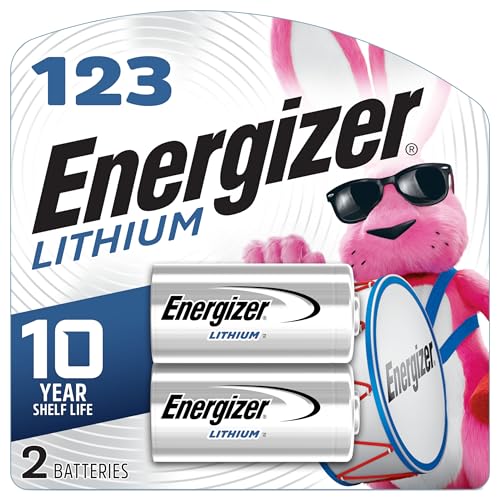
- 3V CR123A lithium photo batteries
- Up to 10 years in storage
- Compatible with listed CR123 equivalents
Best For: Cameras and devices requiring CR123A batteries
Bulk Backup Pick

- Six 3V CR123A lithium batteries
- Up to 10 years in storage
- For compatible cameras and smart devices
Best For: Stocking replacements for CR123A-powered equipment
Cold-Weather Reliability Pick – Energizer Ultimate Lithium AA 4-Pack
Energizer Ultimate Lithium AA Batteries (4 Pack), 1.5V Lithium Double A Batteries
Check Price On AmazonFor camera batteries for cold weather, the Energizer Ultimate Lithium AA 4-pack is a dependable option when you need lightweight, single-use power across a broad temperature range. It is rated for use from -40°F to 140°F and can remain stored for up to 25 years.
Best For: Outdoor cameras and other AA-powered devices used in freezing conditions or kept as emergency backups.
Pros:
- Performs from -40°F to 140°F.
- Leak-proof design based on standard use.
- Up to 25 years of storage life.
- Lightweight lithium construction.
Cons:
- Single-use batteries cannot be recharged.
- Only four batteries are included.
Choose this pack when proven cold-weather range and long-term storage matter more than rechargeable convenience or a large quantity.
Bulk Outdoor Camera Value – Granicell Lithium AA 10-Pack
The Granicell 10-pack suits shoppers who need a larger supply of camera batteries for cold weather. Its lithium metal cells are designed for temperatures from -40°F to 140°F, while the 10-battery count helps reduce the need for frequent reordering.
Best For: Multiple outdoor cameras, security systems, smart locks, and other devices that benefit from a bulk AA supply.
Pros:
- Includes 10 lithium AA batteries.
- Designed for -40°F to 140°F operation.
- Claims a 10-year shelf life.
- Triple-layer leak protection and a lifetime support promise.
Cons:
- Single-use batteries are not rechargeable.
- Brand-specific performance claims may be less established than major-brand alternatives.
This is a practical bulk choice for households or installations with several AA-powered devices, especially when winter temperatures can be severe.
Compact Trusted Brand Pick – Energizer Ultimate Lithium AA 2-Pack
Energizer Ultimate Lithium AA Batteries (2 Pack), 1.5V Lithium Double A Batteries
Check Price On AmazonWhen you need a small replacement supply, this Energizer two-pack offers camera batteries for cold weather with a stated operating range of -40°F to 140°F. The lithium cells are also designed for long storage and are listed as compatible with Blink cameras and other smart devices.
Best For: Replacing a pair of AA batteries in a Blink camera, flashlight, smart-home device, or similar equipment.
Pros:
- Works across -40°F to 140°F.
- Compatible with Blink cameras and several household devices.
- Lightweight and leak-proof based on standard use.
- Up to 25 years of storage life.
Cons:
- Two-battery pack is not ideal for larger installations.
- Single-use design cannot be recharged.
- Listed without a warranty.
Select this pack for a straightforward, low-quantity replacement when you want a major-brand lithium option for cold outdoor conditions.
Long-Storage Security Pick – XUNIUZERO Lithium AA 4-Pack
The XUNIUZERO lithium AA 4-pack is positioned for security equipment and other demanding devices, making it a useful option among camera batteries for cold weather. It claims operation from -40°F to 140°F, a 20-year shelf life, and a three-layer safety design.
Best For: Blink cameras, trail cameras, alarm systems, and emergency kits that need long-stored AA batteries.
Pros:
- Designed for -40°F to 140°F temperatures.
- Claims up to 20 years of shelf life.
- Three-layer leak-proof and safety construction.
- Mercury- and cadmium-free, according to the supplied notes.
Cons:
- Non-rechargeable single-use design.
- Only four batteries are included.
- Product details contain inconsistent capacity and voltage listings, so verify device compatibility.
This pack is appealing for cold-weather security and preparedness, but checking the device requirements is especially important because the supplied specifications are inconsistent.
Best Compact Pick – Energizer Ultimate Lithium AA
Energizer Ultimate Lithium AA Batteries (6 Pack), 1.5V Lithium Double A Batteries
Check Price On AmazonFor shoppers comparing camera batteries for cold weather, the Energizer Ultimate Lithium AA six-pack is a compact option for compatible digital cameras and other everyday electronics. Its 1.5V lithium design offers a lightweight, single-use alternative to alkaline batteries.
Best For: Digital-camera users who want a small pack of lightweight lithium AA batteries.
Pros:
- Lithium AA chemistry in a convenient six-pack
- Compatible with digital cameras, game controllers, and smoke detectors
- Lightweight battery pack at 3.36 ounces
Cons:
- Single-use batteries cannot be recharged
- No warranty is listed
This is a straightforward choice when you need a portable supply of lithium AA batteries without buying a large bulk pack. Its listed camera compatibility makes it especially practical for occasional cold-weather outings.
Best High-Capacity Value – BONAI AA Lithium Batteries
The BONAI 12-pack is designed for outdoor electronics and is a strong contender among camera batteries for cold weather. It provides a steady 1.5V output, a stated operating range of -40°F to 140°F, and 5100mWh high energy density for compatible devices.
Best For: Outdoor cameras, Blink devices, smart locks, and other 1.5V equipment exposed to changing temperatures.
Pros:
- Rated for operation from -40°F to 140°F
- 12-battery pack provides ready-to-use spares
- Steady 1.5V output and stated 5100mWh energy density
- Listed leak-proof protection and up to 10-year shelf life
Cons:
- Non-rechargeable, single-use batteries
- Designed for 1.5V devices, so compatibility should be checked before purchase
With its broad temperature rating, larger pack size, and storage life, BONAI is suited to users who maintain outdoor cameras or want backup batteries ready for extended periods. The included one-year warranty is an additional benefit.
Best Bulk Pack – Energizer Industrial Lithium AA
For frequent use or multiple devices, the Energizer Industrial Lithium AA 24-pack offers a substantial supply of camera batteries for cold weather and other demanding conditions. These L91 batteries are listed as leak-resistant, shelf-stable for up to 20 years, and safe for temperatures from -40°F to 140°F.
Best For: Households, workplaces, or outdoor equipment owners who need a large reserve of lithium AA batteries.
Pros:
- Large 24-battery industrial pack
- Rated for use from -40°F to 140°F
- Leak-resistant and leak-proof construction claims help protect equipment
- Up to 20 years of shelf stability
Cons:
- Bulk quantity may be more than occasional camera users need
- Specific camera compatibility is not detailed in the supplied information
This pack makes the most sense when you want long-term storage and plenty of replacements on hand. Its temperature rating and leak-resistance claims support use in cold-weather equipment, while the industrial format favors preparedness over minimal storage.
Cold-Weather Security Pick – Voniko AA Lithium Batteries
For shoppers seeking camera batteries for cold weather, these Voniko AA lithium cells are designed for outdoor security equipment exposed to demanding conditions. Their 1.5V output, 3000mAh capacity, and stated operating range of -40°F to 140°F make them a practical fit for compatible Blink cameras and other smart devices.
Best For: Blink outdoor cameras, video doorbells, tracking cameras, and smart locks requiring disposable AA lithium batteries.
Pros:
- Rated for extreme temperatures from -40°F to 140°F.
- Provides a flat 1.5V discharge intended to help maintain consistent device power.
- Offers a 10-year shelf life and 3000mAh capacity.
- Includes a stated zero-leak design with a stainless steel safety valve and airtight seal.
Cons:
- Single-use batteries cannot be recharged.
- Only four AA batteries are included.
- Compatibility is limited to devices designed for AA cells.
Choose this pack when cold-weather resilience and long storage life matter more than rechargeability. Verify that your camera or security device accepts AA 1.5V lithium batteries before buying.
Compact Photo-Camera Pick – Energizer 123 Lithium 2-Pack
These Energizer CR123A lithium batteries are a compact option for camera batteries for cold weather when your device uses 3V photo cells. The two-pack is intended for cameras, flashlights, and smart home devices, while its lithium chemistry and stated 10-year storage life suit occasional-use gear.
Best For: Compatible cameras, flashlights, and smart home devices that require CR123, CR123A, or equivalent 3V batteries.
Pros:
- Uses 3V lithium chemistry for compatible high-tech devices.
- Replaces several listed equivalents, including CR123, CR123A, CR17345, and EL123.
- Rated for up to 10 years in storage.
- Compact two-battery pack is convenient for replacements.
Cons:
- Single-use batteries are not rechargeable.
- Two batteries may provide limited backup for multi-cell devices.
- The supplied notes do not specify an operating temperature range.
This is a sensible small-pack choice for compatible 3V camera equipment and emergency spares. Check your device’s required battery designation carefully, since CR123A cells are not interchangeable with AA batteries.
Bulk Backup Pick – Energizer 123 Lithium 6-Pack
If you need several camera batteries for cold weather, this six-pack of Energizer 123 lithium cells provides a larger supply for compatible 3V equipment. They are designed for cameras, flashlights, and smart home devices, with a stated storage life of up to 10 years.
Best For: Households or camera users who need multiple CR123A replacements for compatible cameras, flashlights, and smart home devices.
Pros:
- Six-cell pack offers more replacements than a two-pack.
- 3V lithium design provides power for compatible high-tech devices.
- Rated for up to 10 years in storage.
- Replaces listed CR123, CR123A, CR17345, 5018LC, and EL123 batteries.
Cons:
- Single-use cells cannot be recharged.
- Only suitable for devices requiring compatible 3V batteries.
- The supplied notes do not state a specific cold-weather temperature rating.
The six-pack is the stronger choice when you want a deeper supply of replacement cells on hand. Confirm the required battery type and voltage before purchasing, especially if your camera is used outdoors in freezing conditions.
How We Picked the Best Camera Batteries for Cold Weather
We focused on lithium batteries in the sizes commonly used by outdoor security cameras, trail cameras, flash units, and other photographic equipment. The selection includes standard AA cells and 3V CR123A batteries, along with small packs for occasional replacements and larger packs for multi-camera installations.
We also considered stated capacity, shelf life, pack value, intended device compatibility, and whether each option is disposable or rechargeable. Manufacturer claims can vary by device and operating conditions, so real-world runtime depends on temperature, transmission frequency, recording settings, and camera design.
Quick Comparison
| Battery type | Best suited to | Pack options in this roundup |
|---|---|---|
| AA lithium | Outdoor cameras, trail cameras, flashes, and household devices | 2, 4, 6, 10, 12, and 24 packs |
| CR123A lithium | Compatible photo equipment and compact security devices | 2- and 6-pack options |
Key Buying Factors for Camera Batteries for Cold Weather
Confirm the Size and Chemistry
Check the camera compartment, manual, or existing battery before ordering. AA and CR123A cells are not interchangeable, and some devices require a specific voltage or battery chemistry. Never substitute a different format simply because it fits physically.
Choose Lithium for Freezing Conditions
Primary lithium batteries are generally well suited to cold-weather applications and have a long storage life. They are especially useful for cameras mounted outdoors where changing batteries is inconvenient. Do not confuse disposable lithium AAs with rechargeable NiMH AAs; they have different voltage characteristics and charging requirements.
Match Capacity to Usage
High-capacity claims may help indicate expected endurance, but camera runtime is also affected by motion alerts, night vision, wireless communication, and image frequency. For a camera that sends frequent notifications, prioritize a dependable brand and keep spare cells available.
Consider Pack Size and Storage
Small packs work well for one camera or occasional use. Larger packs can reduce the cost per cell for several cameras, but only buy what you can store properly and use within the stated shelf-life period. Keep batteries in their original packaging, away from heat and moisture.
Who Should Buy Which Camera Batteries for Cold Weather?
For a single outdoor camera: A two- or four-pack of AA lithium batteries is usually the most practical starting point, provided the camera uses AA cells.
For several cameras or frequent replacements: A 10-, 12-, or 24-pack can provide better convenience and reduce the chance of running out during a cold spell.
For Blink-style devices: Choose an AA option only after confirming the specific model’s requirements. Some listed batteries are marketed for compatible outdoor cameras, but compatibility should always be verified against the manufacturer’s specifications.
For CR123A equipment: Select one of the 3V Energizer 123 lithium packs rather than trying to adapt AA batteries. These are the appropriate format for devices designed for CR123A cells.
For occasional winter photography: A reputable small pack is easier to store and replace. Carry a spare set in a protected bag, and allow cold batteries to warm gradually before handling condensation-sensitive equipment.