Cinewhoop FPV drones make immersive aerial video more accessible by combining ducted propellers, stable flight characteristics, and first-person-view control. The right model can help beginners learn safely while giving experienced pilots a compact platform for smooth indoor and outdoor footage.
We selected 10 options spanning ready-to-fly kits, bind-and-fly models, lightweight micro whoops, and camera-focused builds. Use the guide below to compare video systems, flight hardware, included accessories, and the features that matter most before buying.
Best 10 Cinewhoop Fpv Drones Picks for 2026
Immersive All-in-One Pick
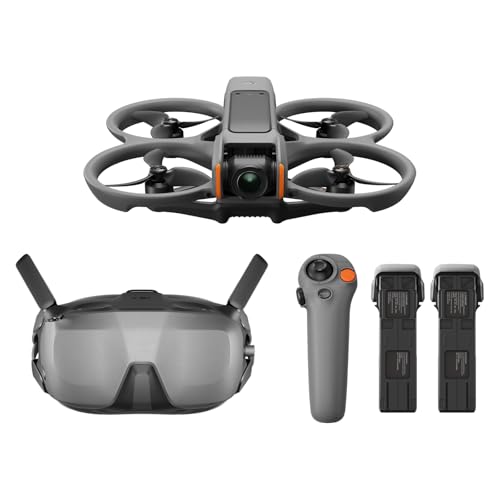
- 4K/60fps camera with 155° FOV
- Goggles, motion controller, and three batteries included
- Built-in propeller guards for added durability
Best For: Beginners seeking a complete, immersive FPV package
Cinematic Performance Choice
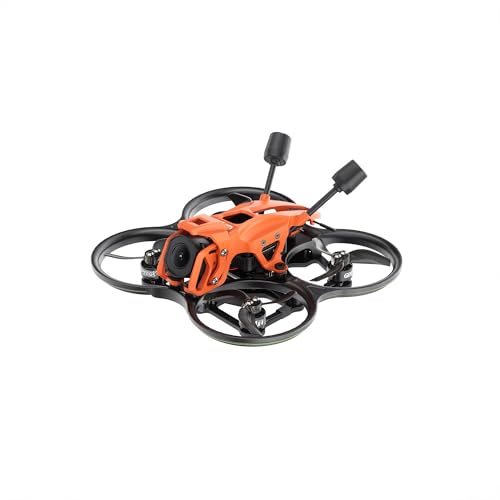
- 4K/120fps video with ultra-low latency
- 20A AIO controller with stabilization algorithms
- Reinforced guarded frame weighs 127 g
Best For: Creators and experienced pilots with compatible FPV equipment
ELRS Control Option
- ELRS 2.4G control compatibility
- 4K capture with ultra-low-latency technology
- Prop guards and shockproof canopy
Best For: Existing ELRS pilots seeking a compact cinewhoop platform
Best O4 Platform
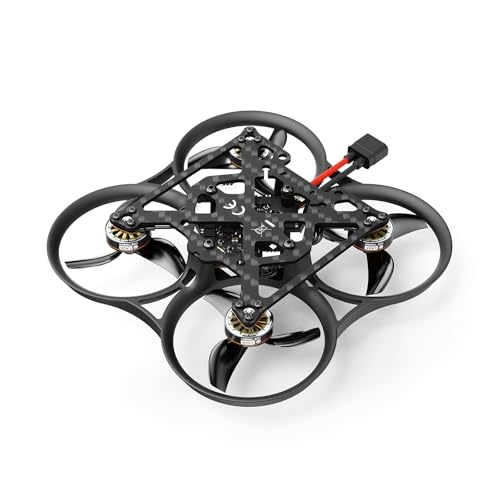
- Compatible with DJI O4 and O4 Pro air units
- Integrated damping system helps reduce jello
- Up to approximately 6.5 minutes of flight time
Best For: Experienced pilots assembling a lightweight O4 cinematic platform
Performance Micro Whoop

- 26g ducted frame for indoor agility
- 20000KV motors with strong punch-out performance
- Includes two batteries and a charger
Best For: Experienced pilots refining indoor racing and freestyle skills
Immersive 4K Choice
DJI FPV Drone Combo with Goggles
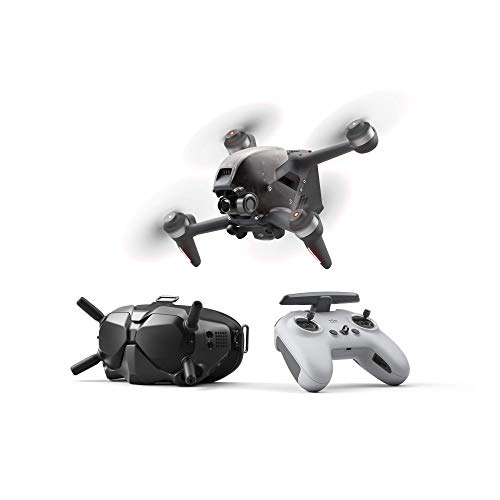
- 4K/60fps recording at up to 120 Mbps
- 150° FOV through DJI FPV Goggles V2
- S mode and return-to-home safety features
Best For: Intermediate pilots wanting immersive, high-speed FPV video
Immersive All-in-One Pick – DJI Avata 2 Fly Smart Combo
For shoppers comparing cinewhoop FPV drones, the DJI Avata 2 stands out as a ready-to-fly package built around immersive goggles, intuitive motion control, and a guarded design. Its 4K/60fps camera, wide 155° field of view, and included three batteries make it well suited to extended practice and POV content creation.
Best For: Beginners who want an accessible, complete FPV setup for immersive flying and stabilized-looking 4K footage.
Pros:
- Includes DJI Goggles N3, RC Motion 3, and three intelligent flight batteries.
- Captures 4K/60fps video with a 1/1.3-inch CMOS sensor and 155° FOV.
- Built-in propeller guards add durability for varied flying scenarios.
- Supports beginner-friendly motion control plus flips, rolls, and 180° drifts.
Cons:
- At 1.56 kg, it is substantially heavier than the micro cinewhoop options here.
- The package is geared toward DJI’s included goggles and motion controller rather than a minimal build.
The Avata 2 is the most complete choice in this group for pilots who value ease of entry and an out-of-the-box FPV experience. Choose it when immersive flight and included accessories matter more than minimizing size and weight.
Cinematic Performance Choice – GEPRC DarkStar22 O4 Pro PNP
Among cinewhoop FPV drones, the GEPRC DarkStar22 O4 Pro targets pilots and filmmakers who prioritize high-resolution capture with responsive control. It combines 4K/120fps recording, ultra-low-latency transmission, integrated stabilization algorithms, and a reinforced guarded frame in a 127 g quadcopter.
Best For: Experienced FPV users and content creators who want a compact PNP cinewhoop with cinematic video capabilities.
Pros:
- Supports cinematic-grade 4K/120fps footage and ultra-low-latency video transmission.
- A 20A AIO flight controller includes integrated stabilization algorithms.
- Reinforced frame, shockproof canopy, and prop guards help protect the quadcopter.
- Mounting and vibration-control features are designed to support stable camera footage.
Cons:
- PNP configuration may require compatible control and flight equipment.
- The supplied notes do not describe a complete goggles-and-controller package.
- Its feature set may be more than a casual beginner needs.
The DarkStar22 O4 Pro is a strong fit when image quality, low-latency response, and a durable cinewhoop frame are the priorities. Confirm your existing setup is compatible before choosing this PNP version.
Best Complete Micro Kit – CADDXFPV Protos RTF FPV Kit
The CADDXFPV Protos is a palm-sized option for shoppers seeking cinewhoop FPV drones with everything needed to start flying. This 100 g micro drone includes Walksnail Ascent HD video hardware, goggles, a controller, three batteries, and three flight modes ranging from assisted hovering to manual freestyle.
Best For: Beginners, travelers, and students who want a lightweight RTF kit that can grow with their flying skills.
Pros:
- Complete kit includes drone, FPV goggles, controller, three batteries, and carry case.
- 1080P/60FPS goggles provide low-latency immersive viewing.
- Position Hold, Self-Stabilizing, and Manual modes support different experience levels.
- Three batteries provide more than 30 minutes of stated total flight time, with fast Type-C charging.
Cons:
- The stated recommended RC control distance is approximately 150 m ± 50 m.
- The kit excludes the charging butler charger.
- Its 2MP camera is aimed at lightweight FPV use rather than the highest-resolution recording in this roundup.
The Protos is the easiest small-format package to recommend when portability and included accessories matter. Its flight modes make it approachable, while manual mode leaves room to practice more advanced FPV control.
ELRS Control Option – GEPRC DarkStar22 O4 Pro ELRS
For pilots already using an ELRS setup, this DarkStar22 O4 Pro is a focused cinewhoop FPV drones option with 4K capture, ultra-low-latency technology, and a reinforced prop-guarded frame. Its 20A AIO flight controller and integrated stabilization algorithms are designed for precise control and smoother camera work during dynamic flights.
Best For: ELRS-equipped hobbyists and filmmakers who want a compact, durable cinewhoop platform without changing control ecosystems.
Pros:
- Uses ELRS 2.4G control technology for compatible setups.
- Supports 4K video capture with ultra-low-latency transmission.
- Integrated stabilization algorithms support precision handling.
- Shockproof canopy and prop guards help protect the 127 g quadcopter.
Cons:
- This is a quadcopter-only configuration rather than a complete goggles-and-controller kit.
- It requires an ELRS-compatible control setup.
- The supplied details do not specify a frame rate for its 4K video mode.
This version makes the most sense for pilots who already have ELRS gear and want a compact cinewhoop with a durable frame and stabilized flight features. If you need a full starter package, the RTF Protos is the more convenient alternative.
Best Beginner Kit – Aquila20 FPV Kit
The BETAFPV Aquila20 is a practical entry point for cinewhoop FPV drones because it arrives as a complete ready-to-fly package. Its altitude-hold mode, protected frame, included goggles, and transmitter help new pilots start flying without sourcing additional gear.
Best For: Beginners who want an all-in-one indoor and outdoor FPV setup with a gradual path from assisted flight to manual control.
Pros:
- Complete kit includes the drone, VR04 goggles, and LiteRadio 4 SE transmitter.
- Three flight modes support progressive learning, including altitude hold and manual control.
- Durable PA410 frame and Turtle Mode help reduce downtime after crashes.
- 2S battery system provides approximately 10 minutes of flight time.
Cons:
- The drone cannot switch from N mode to S or M mode during flight.
- MicroSD card for goggles recording is not included.
- Its 200-meter maximum range may be limiting for long-distance flying.
Choose the Aquila20 when convenience and learnability matter more than advanced cinematic hardware. It is especially appealing to first-time pilots who want a forgiving cinewhoop-style experience with the essential equipment included.
Best for Night Footage – Gofilm 20 4K Starlight Cinewhoop
The CADDXFPV Gofilm 20 stands out among cinewhoop FPV drones for its 4K/60FPS Avatar Moonlight camera and low-light capability. Its lightweight 115g build, protective guards, and stabilization features make it suited to compact cinematic flights in varied environments.
Best For: Hobbyists and content creators who prioritize stabilized 4K video, night footage, and agile indoor or outdoor flying.
Pros:
- Avatar Moonlight camera records true 4K/60FPS with a 160-degree field of view.
- EIS and Gyroflow support help produce smoother footage.
- 360-degree protective guards and an impact-resistant body improve durability.
- Supports 2S–4S batteries and uses low-latency Avatar video transmission.
Cons:
- A high-speed microSD card is required for full 4K recording and is not included.
- Approximately 5.5 minutes of hover time is shorter than some larger cinewhoops.
- The drone is supplied without a complete goggles-and-transmitter flight kit.
The Gofilm 20 is the strongest choice here for image-focused pilots who need low-light performance in a compact platform. Account for the separate control equipment and microSD card when planning the total setup.
Best O4 Platform – Pavo Pico II 2S Cinewhoop
The BETAFPV Pavo Pico II is a compact cinewhoop FPV drone designed around DJI O4 and O4 Pro air units. Its integrated vibration-damping bracket, lightweight frame, and upgraded propulsion system focus on clean footage and responsive cruising for indoor and outdoor filming.
Best For: Pilots building a lightweight O4 or O4 Pro cinematic platform with streamlined assembly and stabilized camera mounting.
Pros:
- Bracket II uses four shock absorbers to help reduce jello and vibration.
- Universal carbon plate supports both O4 and O4 Pro air units.
- 1102 14000KV motors and 45mm tri-blade props provide responsive propulsion.
- Flight time is listed at up to approximately 6.5 minutes.
Cons:
- The drone is a component-focused platform rather than a complete ready-to-fly kit.
- Camera and battery are not included in the listed 39.1g bare-frame weight.
- Its compact 2S design may offer less endurance than larger cinewhoops.
The Pavo Pico II makes sense for experienced FPV users who already have compatible video and control equipment. Its main advantage is the purpose-built O4/O4 Pro mounting system, which simplifies installation while targeting cleaner cinematic footage.
Performance Micro Whoop – R8 ELRS 1S 80mm FPV Drone
For experienced pilots comparing cinewhoop FPV drones for indoor practice, the STARTFPV R8 emphasizes lightweight agility, precise control, and freestyle performance. Its 80mm, 26g frame, duct guards, and 1S brushless setup are designed for tight spaces and fast maneuvering.
Best For: Experienced FPV pilots who want a compact indoor trainer for racing, freestyle, and skill development.
Pros:
- Ultra-light 80mm frame with duct guards for indoor flying.
- High-power 0802 20000KV motors and a stated 1:4 thrust-to-weight ratio.
- Betaflight-based flight controller supports tuning and customization.
- Includes two 450mAh batteries, charger, spare props, and tools.
Cons:
- BNF package requires a separate ELRS 2.4GHz transmitter and 5.8GHz goggles.
- Advertised flight time is approximately 3–6 minutes per battery.
- Its performance-focused setup is less suitable for complete beginners.
The R8 is a compelling compact option when agility and control matter more than an all-in-one setup. ELRS compatibility and accessible Betaflight tuning also give it room to grow with the pilot.
Immersive 4K Choice – DJI FPV Drone Combo with Goggles
DJI FPV Drone Combo with Remote Controller and Goggles CP.FP.00000001.01 (Renewed)
Check Price On AmazonFor shoppers seeking cinewhoop FPV drones with a more immersive, high-speed camera experience, this renewed DJI FPV Combo pairs the aircraft with DJI FPV Goggles V2 and a remote controller. It records 4K/60fps video and offers multiple flight aids for pilots moving beyond basic camera drones.
Best For: Intermediate users who prioritize immersive FPV viewing, stabilized assistance, and high-resolution aerial footage.
Pros:
- Records 4K/60fps video at up to 120 Mbps.
- DJI FPV Goggles V2 provide a wide 150° field of view.
- S mode blends manual-style movement with simplified controls.
- Includes obstacle sensing, Smart Return to Home, and low-battery RTH.
Cons:
- This is a renewed product with a stated 90-day limited warranty.
- At 1.8 pounds, it is substantially larger and heavier than micro whoops.
- Its high-speed platform is not the most natural choice for tight indoor flying.
The DJI FPV Combo stands out for cinematic impact and an included goggles-based experience rather than micro-drone maneuverability. Its safety systems and S mode can help intermediate pilots transition into faster FPV flight.
Beginner Ready-to-Fly – BETAFPV Aquila16 FPV Kit
The BETAFPV Aquila16 is a practical starting point for buyers exploring cinewhoop FPV drones indoors or outdoors. This complete kit includes the drone, ELRS transmitter, VR03 goggles, battery, and charger, along with beginner-friendly modes and simulator support.
Best For: Beginners who want a complete FPV package with assisted flight modes, goggles, and a transmitter included.
Pros:
- Complete kit includes drone, LiteRadio 2 SE transmitter, goggles, battery, and charger.
- Up to 8 minutes of flight in N/S mode with the included 1100mAh battery.
- Three flight modes, adjustable speeds, Turtle Mode, and position hold in N mode.
- VR03 goggles offer DVR recording and a bright 800×480 display.
Cons:
- Maximum stated range is 200 meters.
- Position hold is available only in N mode.
- The product notes warn that the camera cable may loosen after repeated crashes.
The Aquila16 is the most accessible option here for learning the basics because it supplies the core equipment and offers graduated control modes. It is especially useful for pilots who want to practice with a simulator before flying outdoors.
How We Picked the Best Cinewhoop Fpv Drones
We compared these Cinewhoop Fpv Drones by looking at their intended pilot, video system, flight format, included equipment, power setup, and practical portability. Ready-to-fly kits received attention for their complete packages, while PNP, ELRS, and BNF models were evaluated for compatibility and upgrade flexibility.
We also considered whether each drone is better suited to indoor practice, outdoor cruising, cinematic recording, simulator training, or advanced custom setups. Because a drone’s transmitter and goggles can add significant cost, the included accessories are an important part of overall value.
Quick Comparison
| Best For | Look For | Typical Choice |
|---|---|---|
| Beginners | RTF kit, beginner modes, prop guards | BETAFPV Aquila kits |
| Premium video | 4K recording, digital HD transmission, stabilization | DJI Avata 2 or O4-equipped builds |
| Customization | PNP or ELRS receiver, replaceable components | GEPRC or BETAFPV Pavo models |
| Indoor practice | Small 1S battery, low weight, durable ducts | Micro whoop models such as the R8 ELRS |
| Complete FPV experience | Drone, goggles, controller, batteries, and charger | DJI, CADDXFPV, or BETAFPV RTF kits |
Key Buying Factors for Cinewhoop Fpv Drones
Video Quality and Transmission
Check both the onboard recording resolution and the live-feed system. Digital HD systems generally provide a clearer pilot view, while 4K recording is valuable for finished footage. Confirm whether goggles and a compatible air unit are included; PNP models may require separate electronics.
RTF, BNF, PNP, and ELRS Compatibility
RTF means the main equipment is included, making it the simplest starting point. BNF models typically include a receiver but require a compatible transmitter and goggles. PNP versions may need a receiver and other components. ELRS is popular for range, responsiveness, and broad transmitter compatibility, but the receiver protocol must match your radio.
Size, Weight, and Battery Life
Small 1S whoops are usually more forgiving indoors and less expensive to operate, but they have less carrying power and shorter flights. Larger 2S or higher-voltage cinewhoops can carry better cameras and handle wind more effectively, though they need more space and careful battery management.
Safety and Control Features
Propeller ducts help protect people, walls, and props, but they do not make a drone risk-free. Beginner modes, altitude limits, return-to-home functions, durable frames, and simulator support can make learning easier. Always check local rules and fly away from people and restricted areas.
Who Should Buy Which Cinewhoop Fpv Drones?
New pilots should start with a complete kit that includes goggles and a controller, especially if it offers stabilized or beginner flight modes. Indoor learners and simulator users may prefer a lightweight micro whoop with modest batteries and durable prop guards.
Choose a DJI Avata 2-style package if polished stabilized footage and a streamlined ecosystem matter most. Pick an O4, Walksnail, or comparable digital build if you want a more customizable platform. Experienced pilots who already own goggles and a radio can save money with a PNP, BNF, or ELRS cinewhoop. For maximum portability, prioritize a small ducted model; for outdoor cinematic work, choose a larger platform with stronger motors, a better camera mount, and enough battery capacity to handle wind.