Choosing a commercial cleaning robot for restaurants is about more than convenience. You need dependable floor coverage, fast cleanup between rushes, and equipment that can handle food-service traffic without constant supervision.
This roundup focuses on practical options for dining rooms, back-of-house areas, and mixed flooring, with an eye on navigation, self-maintenance, and real-world uptime.
Best 10 Commercial Cleaning Robot for Restaurants Picks for 2026
Home-Minded Combo
Roomba 505X Vacuum & Mop with AutoWash Dock
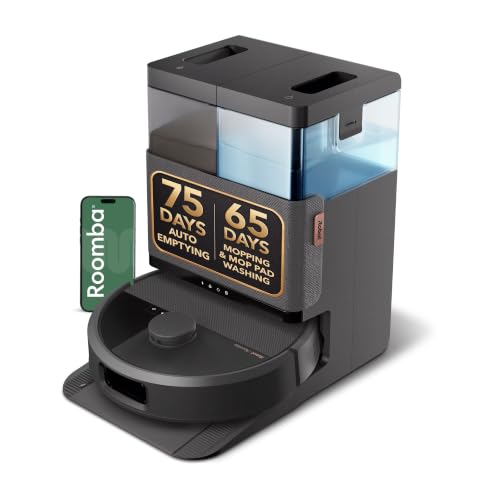
- Strong suction and dual spinning mop pads
- AutoWash dock empties and heat-dries pads
- AI obstacle avoidance for cords and clutter
Best For: Homes and light-duty spaces, not restaurant cleaning
Premium Self-Maintaining Bot
Roomba Plus 505 Combo with AutoWash Dock
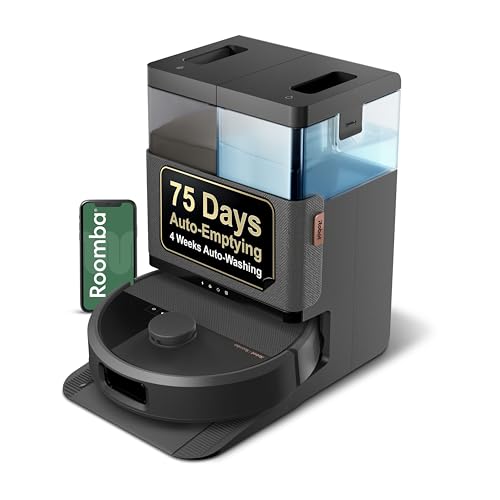
- Extending mop pads improve floor coverage
- AutoWash dock empties, washes, and dries pads
- LiDAR and AI help avoid obstacles and map rooms
Best For: High-automation home cleaning on hard floors and carpet
Quiet Deep-Clean Canister
4 Gal Ultra-Quiet Office Vacuum

- Operates at a quiet 66dB
- 800W suction with HEPA filtration
- Reusable filter and 35-foot cord
Best For: Quiet indoor cleanup in restaurants and offices
Smart Home Deep-Cleaner

- 8000Pa suction with dual anti-tangle brushes
- Vacuum and mop combo with 460ml water tank
- 90-day self-emptying and LiDAR mapping
Best For: Small restaurant-adjacent spaces and multi-floor routine cleaning
Compact Corner Cleaner

- Compact 11-inch body reaches narrow spaces
- Six cleaning modes with app and voice control
- Quiet hard-floor cleaning with self-charging
Best For: Tight layouts and light-duty upkeep in small spaces
Autonomous Heavy-Duty Cleaner – Commercial Floor Scrubber for Large Spaces
If you need a commercial cleaning robot for restaurants or other busy hard-floor spaces, this autonomous scrubber is built around coverage and efficiency. It combines sweeping, scrubbing, and mopping in one pass, uses smart navigation to plan routes and avoid obstacles, and supports app-based control for scheduled cleaning and status tracking.
Best For: Large restaurants, hotels, offices, malls, schools, and other high-traffic commercial environments with marble, tile, concrete, epoxy resin, or hardwood floors.
Pros:
- Combines sweeping, scrubbing, and mopping to handle dust, debris, stains, and spills together.
- Autonomous navigation helps it cover large areas while avoiding obstacles.
- Mobile app control supports start/stop, scheduling, tracking, and cleaning reports.
- Quiet operation makes it suitable for weekday or nighttime cleaning.
Cons:
- Customization options and accessories mean pricing is not final.
- Best suited to hard flooring rather than carpeted areas.
- Not a compact consumer robot, so it may be more than some small venues need.
For operators focused on labor savings and consistent floor maintenance, this model offers the right mix of automation and commercial-duty floor care. Its strength is in covering bigger areas with less manual oversight.
Home-Minded Combo – Roomba 505X Vacuum & Mop with AutoWash Dock
This isn’t a commercial cleaning robot for restaurants, but it can still be useful to buyers who want a premium robot vacuum-mop combo for lighter-duty hard-floor maintenance. The Roomba 505X focuses on strong suction, spinning mop pads, and smart obstacle avoidance, with an AutoWash dock that handles emptying, pad washing, and heated drying.
Best For: Homes and light-duty spaces that need vacuuming and mopping on carpet and hard floors, especially where pet hair and frequent messes are a concern.
Pros:
- Up to 70x stronger suction than Roomba 600 series robots for real-life messes.
- AutoWash dock empties debris for up to 75 days and washes, refreshes, and heat-dries mop pads.
- PrecisionVision AI recognizes cords, socks, and even pet accidents, then steers around them.
- Mop pads auto-lift over carpet for smoother mixed-floor cleaning.
Cons:
- Designed for indoor home use, not commercial restaurant cleaning.
- Battery life is listed at 120 minutes, which may not suit larger venues.
- Round form factor and compact size point to household-scale cleaning.
If your priority is a capable consumer robot with strong automation, this model has a lot to offer. Just keep in mind that it’s optimized for homes, not restaurant-grade floor care.
Industrial Auto-Wash Unit – Autonomous Floor Washing Machine
For a commercial cleaning robot for restaurants, this industrial floor cleaner is aimed at larger operations that need autonomous floor washing and fewer manual passes. It uses smart navigation to plan routes, avoid obstacles, and cover wide areas, while combining sweeping, scrubbing, and mopping to remove dust, debris, stains, and spills efficiently.
Best For: Restaurants, office buildings, warehouses, shopping malls, hotels, hospitals, and other high-traffic commercial spaces with hard flooring.
Pros:
- Autonomous navigation is designed to cover large spaces efficiently.
- Combines sweeping, scrubbing, and mopping in a single machine.
- App control supports start/stop, scheduling, status tracking, and cleaning reports.
- Quiet operation makes it suitable for weekday or nighttime cleaning.
Cons:
- Customization styles and accessories mean pricing is not final.
- Best matched to hard commercial flooring such as marble, tile, concrete, epoxy resin, and hardwood.
- May be more machine than a smaller restaurant needs.
This model is the most clearly commercial-focused option in the lineup. If you need a floor-washing machine that can reduce hands-on labor while handling high-traffic spaces, it fits the brief well.
Premium Self-Maintaining Bot – Roomba Plus 505 Combo with AutoWash Dock
This is a feature-rich robot vacuum-mop combo, but it is not positioned as a commercial cleaning robot for restaurants. It focuses on deep home cleaning with strong suction, extending mop pads, LiDAR mapping, obstacle recognition, and an AutoWash dock that handles emptying, pad washing, and heated drying.
Best For: Homes that want high automation for hard floors and carpet, especially kitchens, entryways, and pet-friendly spaces.
Pros:
- DualClean Mop Pads with PerfectEdge extend mopping coverage by 18%.
- AutoWash Dock provides up to 75 days of auto-emptying and 4 weeks of mopping and pad washing.
- PrecisionVision AI recognizes cords, socks, and pet waste, then routes around them.
- LiDAR navigation and app controls make room-by-room cleaning easy to manage.
Cons:
- Built for indoor home use, not restaurant or other commercial settings.
- Battery life is listed at 120 minutes, which may limit larger-area use.
- Its focus is household convenience rather than industrial floor care.
For buyers comparing premium automation features, this is a polished household option. It shines in homes that need a lot of cleaning help, but it isn’t the right fit for restaurant operations.
Autonomous Commercial Floor Care – Smart Floor Scrubber Robot
If you need a commercial cleaning robot for restaurants with broad floor coverage, this autonomous scrubber is built for large, high-traffic spaces. It combines sweeping, scrubbing, and mopping in one pass, and its LiDAR navigation helps it plan routes, avoid obstacles, and work efficiently across common commercial flooring like marble, tile, concrete, epoxy resin, and hardwood.
Best For: Restaurant operators and facility managers who want automated floor cleaning for large dining areas and back-of-house spaces.
Pros:
- Combines sweeping, scrubbing, and mopping to handle dust, debris, stains, and spills
- LiDAR navigation with obstacle avoidance and no-go zone support
- App control for start/stop, scheduling, status tracking, and cleaning reports
- Quiet operation suited to weekday or nighttime cleaning
Cons:
- Pricing is not final and may require inquiry before purchase
- Customization options can add complexity to the buying process
- Focused on commercial floor care, so it is less specialized than a restaurant-specific kitchen robot
This is a practical choice when you want automated, repeatable floor cleaning and remote oversight rather than a simple manual machine. Its strength is efficient coverage in busy commercial environments where consistent results matter.
Compact Self-Washing Mop System – Lefant M210 Pro OMNI
For a commercial cleaning robot for restaurants where space is tight, this Lefant model focuses on compact, low-maintenance floor cleaning. Its self-cleaning roller mop refreshes with clean water as it works, while the 20,000Pa suction and slim body help it handle debris and reach under furniture in harder-to-access areas.
Best For: Smaller restaurant dining areas, tight service spaces, and operators who want a compact vacuum-and-mop system.
Pros:
- Self-cleaning roller mop with fresh-water washing on every pass
- 20,000Pa suction and tangle-free hair pickup for debris and pet hair
- Slim 280 mm design reaches under sofas, cabinets, and tight spaces
- App control with no-go zones, plus 2.4G/5G WiFi support
Cons:
- Primary notes are more home-focused than restaurant-focused
- Best suited to lighter, floor-maintenance tasks rather than heavy-duty commercial scrubbing
- Large 800ml dustbin is helpful, but capacity still may not match larger commercial units
This model stands out if compact size and low-maintenance washing matter more than maximum industrial coverage. It offers smart automation and strong suction in a form factor that can work well where maneuverability is important.
Quiet Deep-Clean Canister – 4 Gal Ultra-Quiet Office Vacuum
If your version of a commercial cleaning robot for restaurants is a quiet support machine for floors, seating areas, and daily pickup, this canister vacuum is worth a look. It is not autonomous, but it does offer 66dB operation, strong 800W suction, a reusable HEPA filter, and a long 35-foot cord for cleaning larger indoor spaces with less interruption.
Best For: Restaurant teams that need a quiet, corded vacuum for dining rooms, offices, and general indoor cleanup.
Pros:
- Very quiet 66dB operation for low-disruption cleaning
- 800W motor with HEPA and cyclonic filtration
- 4-gallon metal bin reduces emptying frequency
- Washable, reusable HEPA filter helps lower long-term maintenance costs
Cons:
- Not a robot or autonomous cleaner
- Corded design requires manual movement and outlet access
- Better suited to vacuuming than scrubbing or mopping floors
For operators prioritizing quiet, dependable pickup over automation, this vacuum fills an important role. It is a practical cleaning tool for routine maintenance in spaces where noise and storage matter.
Smart Home Deep-Cleaner – MONSGA Robot Vacuum and Mop
If you need a commercial cleaning robot for restaurants in a lighter-duty setting like breakrooms, small dining areas, or front-of-house spaces, this MONSGA model offers strong automation at a practical scale. Its 8000Pa suction, LiDAR mapping, and vacuum-and-mop combo help it handle crumbs, dust, and everyday floor debris with minimal supervision.
Best For: Small restaurant-adjacent spaces, multi-floor facilities, and teams that want hands-free routine cleaning with mapping and mopping.
Pros:
- 8000Pa suction with dual anti-tangle design helps manage crumbs and hair.
- Vacuum and mop in one pass with a large 460ml water tank.
- 90-day self-emptying dock reduces frequent maintenance.
- LiDAR mapping with 5-map memory supports repeatable cleaning routes.
Cons:
- Designed for home use rather than full-scale commercial floor-scrubbing.
- 2.4GHz Wi-Fi only for app control.
Overall, this is a capable automated cleaner for businesses that want easier daily upkeep without moving into heavy industrial equipment. It is especially appealing where mapped navigation, mop capability, and low-maintenance emptying matter more than commercial scrubber throughput.
Industrial Route Runner – Commercial Cleaning Robot
This commercial cleaning robot for restaurants is built for larger facilities that need autonomous floor care across wide, high-traffic spaces. With smart navigation, sweeping, scrubbing, and mopping in one system, it is better suited to restaurants with extensive dining floors, back-of-house corridors, or shared commercial areas.
Best For: Large restaurants, hospitality spaces, warehouses, and commercial buildings that need autonomous multi-surface floor cleaning.
Pros:
- Autonomous navigation plans routes and avoids obstacles in large areas.
- Combines sweeping, scrubbing, and mopping for one-pass cleaning.
- App control supports scheduling, status tracking, and cleaning reports.
- Quiet operation works well for weekday or nighttime cleaning.
Cons:
- Pricing is not final and requires contacting the seller for details.
- More of a custom commercial solution than an off-the-shelf consumer purchase.
For operations that want a true commercial cleaning robot, this model stands out for scale and automation. Its long 20-hour battery life, obstacle avoidance, and support for common commercial flooring make it a strong fit where consistent floor maintenance is a daily job.
Compact Corner Cleaner – Lefant M210 Pro Robot Vacuum
For smaller restaurant support areas, this compact vacuum can help keep corners, narrow passages, and hard floors under control. It is not a heavy commercial cleaning robot for restaurants, but its low profile, quiet operation, and simple controls make it a practical option for light-duty daily touch-ups in tighter spaces.
Best For: Tight layouts, narrow spaces, and quiet upkeep in small commercial or mixed-use areas.
Pros:
- Compact 11-inch body and 2.99-inch height fit under low furniture.
- Six cleaning modes offer flexible scheduling and spot cleaning.
- Large suction port design helps pull in hair, debris, and dust efficiently.
- Quiet operation and voice/app control add convenience.
Cons:
- 2200Pa suction is far less powerful than dedicated commercial units.
- Best suited to hard floors rather than demanding large-area cleaning.
This model makes sense when the priority is simple, low-noise maintenance instead of deep commercial floor scrubbing. Its small size and easy navigation are useful, but it is clearly the lightest-duty option in this roundup.
How We Picked the Best Commercial Cleaning Robot for Restaurants
For a Commercial Cleaning Robot for Restaurants, the most important factors are reliable navigation, cleaning consistency, ease of maintenance, and the ability to operate around tables, chairs, and frequent foot traffic. We also looked for models with self-emptying or self-washing features, strong suction or scrubbing performance, and battery life suited to larger floor areas.
Quick Comparison
Match the robot to the job: scrubber-style machines are better for hard floors and sticky messes, while vacuum-and-mop combos are a stronger fit for dining rooms that need daily dust, crumb, and light spill cleanup. Large-capacity commercial units are best for long run times and big square footage, while compact robots can work well for smaller service zones or front-of-house maintenance.
Key Buying Factors for Commercial Cleaning Robot for Restaurants
Floor Type and Cleaning Task
Restaurants usually have a mix of tile, sealed concrete, vinyl, and occasional carpeted entry areas. Choose scrubbing-focused models for hard-floor sanitation and mopping, and vacuum-mop hybrids if you need one machine for crumbs, dust, and light wet cleaning.
Navigation and Obstacle Avoidance
Look for LiDAR or similarly advanced mapping if your layout changes often. Restaurant furniture moves, and a robot that can handle chair legs, narrow aisles, and busy service hours will save more labor over time.
Maintenance and Automation
Self-emptying, auto-washing, and heated drying reduce manual intervention, which matters in food-service environments where staff time is limited. For any Commercial Cleaning Robot for Restaurants, easier upkeep usually means more consistent use.
Noise, Runtime, and Capacity
Quieter operation is helpful during open hours, while longer battery life and larger tanks or bins matter after closing or in larger venues. Pick capacity based on your square footage and how often the machine can return to dock.
Who Should Buy Which Commercial Cleaning Robot for Restaurants?
Choose a commercial scrubber robot if your priority is hard-floor cleaning in dining rooms, kitchens, and entryways. Choose a vacuum-and-mop combo if you want a versatile daily cleaner for crumbs and light spills. Small cafés and quick-service restaurants may prefer compact, simpler robots, while larger restaurants or multi-zone operations should prioritize commercial-grade autonomy, bigger tanks, and stronger docking systems.