An infrared inspection camera for attic checks can help you spot insulation gaps, air leaks, moisture issues, and overheating electrical components before they become bigger problems.
Below, we focus on practical picks that balance image clarity, temperature range, portability, and ease of use for home inspection work.
Best 10 Infrared Inspection Camera for Attic Checks Picks for 2026
Intelligent Scene Thermal Inspector
HF96V Thermal Camera with Visual Camera
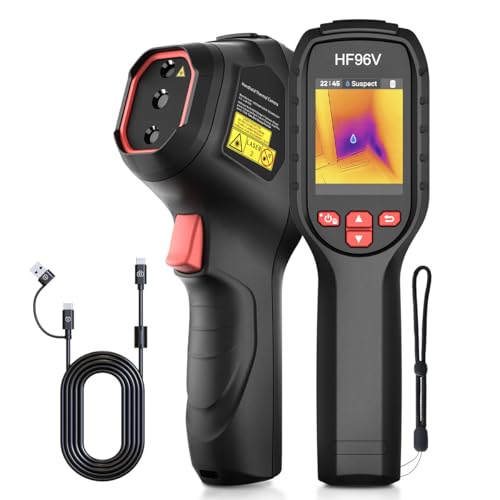
- Dual IR + visible cameras with Fusion/Thermal/Visual modes
- IntellFault helps identify leaks and insulation gaps
- Live Super Resolution upgrades 96x96 to 240x240
Best For: Guided attic inspections and home leak checks
Phone-Based 2K Scope
DEPSTECH Dual Lens Inspection Borescope

- 2K phone-connected imaging with front and side lenses
- 16.5 ft semi-rigid cable reaches tight attic spaces
- IP67 waterproof with adjustable LEDs
Best For: Visual attic and crawl-space inspections through a phone
PC-Ready Thermal Analyzer
FOXWELL RT280 Thermal Imaging Camera

- 320×240 screen with TISR-enhanced thermal resolution
- 8GB storage holds over 20,000 images and videos
- Windows software supports 2D/3D and temperature analysis
Best For: Attic inspections that need thermal reporting and documentation
Phone-Connected Home Inspector
FLIR One Thermal Imaging Camera for Android

- USB-C Android compatibility with direct phone connection
- MSX blends thermal and visual detail
- Inspection guides support air leak and moisture checks
Best For: Quick attic thermal checks on compatible Android phones
Attic Heat-Sweep Pick
240x240 Thermal Camera with 25Hz Refresh

- 240x240 super-resolution imaging
- 25Hz refresh for smoother scans
- Temperature alarm and 50° FOV
Best For: Homeowners checking attic heat loss, leaks, and hot spots
Pro Image-Clarity Pick

- MSX adds visual detail to thermal images
- Bullseye laser shows measurement area
- IP54 rugged design for jobsite use
Best For: Users who want durable, easy-to-read attic inspection scans
iPhone Attic Scan Pick
RT100 Thermal Camera for iPhone

- 512x384 TISR super resolution
- 25Hz live thermal refresh
- Plugs into iPhone or iPad
Best For: iPhone and iPad users doing quick attic and home inspections
AI Scene Inspection
GT16S Thermal Camera for HVAC and Home Inspection

- AI scene detection highlights suspected issue areas.
- Upgraded display image improves thermal detail.
- Up to 10 hours runtime supports longer inspections.
Best For: Homeowners and inspectors checking attic insulation and leaks
Large Display + Laser
Tadeto Thermal Camera with Analysis Software

- 2.8-inch display plus laser and LED assist aiming.
- Super-resolution output helps reveal thermal differences.
- Photo, video, and offline analysis support documentation.
Best For: Attic and home inspectors who want easy aiming and clear viewing
High/Low Temp Alerts

- 320×240 display image aids thermal detail review.
- High/low alarms help catch problem spots quickly.
- 16GB card and PC software support saving reports.
Best For: DIY users and inspectors who need alerts and image review
Intelligent Scene Thermal Inspector – HF96V Thermal Camera with Visual Camera
If you want an infrared inspection camera for attic checks, the HF96V stands out for its dual-camera view, wide 50° field of view, and scene-detection features that help highlight water leaks and insulation gaps. The visual camera and thermal overlay make it easier to compare surfaces while scanning cramped attic spaces.
Best For: Homeowners and pros who want guided thermal inspections for leaks, insulation issues, and general home diagnostics.
Pros:
- Dual IR and visible cameras with Fusion, Thermal, and Visual modes
- IntellFault scene recognition is designed to help identify water leaks and insulation gaps
- Live Super Resolution boosts thermal viewing from 96×96 to 240×240
- Laser pointer, tripod support, and up to 11 hours of battery life add convenience
Cons:
- Base thermal resolution is lower before super resolution enhancement
- Requires firmware update to use the Scene feature
- Accuracy and results still depend on material settings and proper use
Overall, this is a capable attic-checking thermal camera if you value guided detection, flexible display modes, and long runtime in a handheld tool.
Phone-Based 2K Scope – DEPSTECH Dual Lens Inspection Borescope
For users who need an infrared inspection camera for attic checks plus close-up visual access, this DEPSTECH borescope is better suited to crawling through tight spaces than scanning temperatures. Its dual front and side lenses, slim 7.9mm probe, and long cable make it useful when you need to inspect hidden attic corners, wiring runs, or narrow channels.
Best For: Phone users who need a flexible borescope for tight-space visual inspections in attics, HVAC runs, and wall cavities.
Pros:
- 2K 2560×1440 resolution with sharp phone-based imaging
- Dual front and side cameras help reduce blind spots
- 16.5 ft semi-rigid cable reaches deep or awkward areas
- IP67 waterproof rating and adjustable LEDs improve dark-space visibility
Cons:
- Works through the app only, not as a standalone camera
- Not compatible with Android devices lacking OTG support
- Does not provide thermal imaging or temperature measurement
This is a strong choice when the job is about seeing into attic voids, not reading heat patterns. It complements a thermal camera rather than replacing one.
PC-Ready Thermal Analyzer – FOXWELL RT280 Thermal Imaging Camera
The FOXWELL RT280 is a practical infrared inspection camera for attic checks when you want a clear handheld display and deeper temperature analysis on a PC afterward. With a 320×240 screen, TISR-enhanced resolution, and automatic hot/cold/center point detection, it is built for finding temperature differences in home inspections and similar jobs.
Best For: Users who want a rugged thermal camera for attic inspections, documentation, and follow-up PC analysis.
Pros:
- 320×240 LCD and TISR tech improve thermal clarity
- 25Hz frame rate and 50°×38° FOV support smooth scanning
- 8GB eMMC storage holds over 20,000 images and videos
- PC software adds point, line, area, and 2D/3D analysis
Cons:
- PC analysis software is Windows only, not Mac compatible
- Heavier analysis workflow than a basic point-and-shoot tool
- Ruggedness is good, but it is still a dedicated handheld device to carry
For attic checks where you want both on-device capture and later reporting, the RT280 offers a useful balance of clarity, storage, and analysis tools.
Phone-Connected Home Inspector – FLIR One Thermal Imaging Camera for Android
If you need an infrared inspection camera for attic checks and already use a USB-C Android phone, the FLIR One is a compact option built around app-guided home inspections. Its MSX visual/thermal blending and inspection guides are especially helpful for spotting air leaks, moisture buildup, and other common home issues.
Best For: Android users who want a compact, phone-based thermal camera for straightforward home inspection tasks.
Pros:
- USB-C design works directly with compatible Android phones
- MSX combines thermal and visual detail in real time
- Inspection guides help with typical home fault checks
- Vivid IR upscales imagery to 240×180 from 80×60 native IR
Cons:
- Android USB-C only, so compatibility is limited
- Rated for 1.5m drops but not water resistant
- Battery life is about 1 hour, which is short for longer jobs
This is a handy choice for quick attic scans and basic thermal checks when you want a lightweight phone accessory with guided workflows rather than a standalone handheld unit.
Attic Heat-Sweep Pick – 240×240 Thermal Camera with 25Hz Refresh
If you want an infrared inspection camera for attic checks, this handheld thermal imager is a practical choice for spotting heat loss, abnormal hot spots, and temperature differences across rooflines, insulation, and duct runs. Its 240×240 super-resolution imaging and 25Hz refresh rate help keep scans clearer and smoother while you move through tight spaces.
Best For: Homeowners and DIY inspectors who want a portable thermal camera for attic temperature checks, leak spotting, and general home diagnostics.
Pros:
- 240×240 super-resolution imaging for clearer thermal detail.
- 25Hz frame refresh for smoother real-time inspections.
- Temperature alarm can flag abnormal high or low readings.
- 50° field of view covers a wider scan area in one pass.
Cons:
- Handheld format means you’ll need to carry and aim it during the inspection.
- Most useful for temperature anomalies, not general visible-light imaging.
- May be more camera than needed for very occasional quick checks.
Overall, this model is a solid fit if you want a rugged, battery-powered thermal camera that can handle attic work and other home inspection tasks. The IP54 rating and drop resistance add confidence for regular use in dusty or cramped spaces.
Pro Image-Clarity Pick – FLIR TG165-X Thermal Camera
For an infrared inspection camera for attic checks, the FLIR TG165-X is a strong option if you value easier-to-read thermal images and a rugged build. Its MSX image enhancement adds visual detail to the thermal view, while the bullseye laser helps show the measurement area during quick scans of insulation gaps, HVAC runs, or warm spots.
Best For: Users who want a durable FLIR camera for clearer attic inspections, HVAC checks, and general building diagnostics.
Pros:
- MSX technology makes thermal images easier to interpret.
- Bullseye laser helps indicate the measurement area.
- IP54 enclosure and drop-tested design suit rough jobsite use.
- Measures from -25°C to 300°C for common building and electrical tasks.
Cons:
- 80×60 IR resolution is lower than some higher-detail alternatives.
- Temperature range is narrower than models aimed at extreme heat.
- Best suited to spot checks rather than wide-area thermal surveying.
In practice, this is a dependable inspection tool for people who want straightforward thermal readings with better visual context. The laser pointer and rugged housing make it especially convenient for repeat attic and building checks.
IPhone Attic Scan Pick – RT100 Thermal Camera for iPhone
If you want an infrared inspection camera for attic checks that stays pocket-friendly, the RT100 plugs directly into an iPhone or iPad and is built for fast home diagnostics. With 512×384 super resolution, 25Hz refresh, and temperature alarms, it can help you spot heat loss, moisture-related temperature changes, or HVAC issues while moving through the attic.
Best For: iPhone and iPad users who want a lightweight plug-in thermal camera for attic inspections and other quick troubleshooting jobs.
Pros:
- 512×384 TISR super resolution for sharper thermal detail.
- 25Hz refresh supports smooth live inspection.
- Temperature range from -4°F to 1022°F covers most home and auto tasks.
- Very light, portable design with no batteries required.
Cons:
- Works with iOS devices rather than being a standalone camera.
- Requires a Lightning setup, plus an adapter for newer iPhone 15 models.
- Best value comes if you already inspect regularly from a phone or tablet.
This is a smart pick for anyone who wants a compact thermal tool without managing a separate battery-powered device. The app features and extension cable also make it easier to inspect cramped attic spots and harder-to-reach areas.
AI Scene Inspection – GT16S Thermal Camera for HVAC and Home Inspection
If you want an infrared inspection camera for attic checks, the GT16S is built to help you find heat loss, insulation gaps, and moisture-prone problem spots faster. Its AI scene detection can highlight suspected areas in inspection modes, while the clearer 240×240 display image makes it easier to scan overhead spaces and tight framing in the attic.
Best For: Homeowners and inspectors who want guided thermal scanning for attic insulation and leak checks.
Pros:
- AI Scene Detection can flag suspected issues in Moisture, Insulation, and Floor Heating modes.
- Upgraded thermal image display helps reveal edges and hidden problems more clearly.
- Thermometer mode plus thermal mode support both area scans and single-point checks.
- Long runtime and lightweight build are practical for extended overhead inspection work.
Cons:
- Native sensor resolution is lower than the displayed enhanced image.
- Best suited to inspection use rather than advanced reporting features.
For attic checks, this model stands out for speed and ease of use: choose a mode, scan, and let the AI help point you toward likely trouble spots. It is a solid fit if you want a straightforward thermal tool that balances clarity, runtime, and simple guided inspection features.
Large Display + Laser – Tadeto Thermal Camera with Analysis Software
The Tadeto model is a practical infrared inspection camera for attic checks when you want clear visuals and simple target confirmation. It pairs a large 2.8-inch display with a laser pointer and LED fill light, so you can aim at rafters, ducts, and insulation areas in darker attic spaces while reviewing thermal patterns on-screen.
Best For: Users who want a portable thermal camera with easy aiming and on-device viewing for attic and home inspection work.
Pros:
- Super-resolution enhancement boosts the native image to a sharper display view.
- Laser pointer and LED light make dark-space targeting easier.
- Supports photo and video capture for documenting inspection findings.
- Offline analysis software adds later review and reporting options on supported systems.
Cons:
- Offline analysis software is not supported on Mac.
- Heavier than some compact handheld thermal cameras.
This is a good choice if your attic work often happens in low light and you want extra help confirming exactly where you are aiming. The combination of a readable screen, laser assist, and capture features makes it easier to document what you find during a home inspection.
High/Low Temp Alerts – UNI-T Thermal Imaging Camera
For attic checks, this UNI-T infrared inspection camera focuses on clear thermal viewing, temperature alerts, and practical data storage. It upscales 160×120 IR output to a 320×240 display image, which can help you spot heat leaks, moisture-related anomalies, and other hidden differences while moving through an attic or wall cavity.
Best For: DIY users and inspectors who want temperature alerts and report-ready thermal scans for home inspections.
Pros:
- 320×240 display image helps make thermal differences easier to read.
- High/low temperature alarms and hotspot tracking support faster issue checks.
- 16GB micro SD card and PC analysis software help with saving and reviewing images.
- IP65 protection and built-in illumination are useful in dark or humid spaces.
Cons:
- Native IR resolution is lower than the displayed super-resolution image.
- Analysis features rely on PC software and data transfer.
If your attic inspection workflow includes documenting findings and revisiting images later, this model offers a balanced mix of visibility, storage, and alert functions. It is especially practical when you want a rugged handheld scanner that can handle darker areas and produce organized inspection records.
How We Picked the Best Infrared Inspection Camera for Attic Checks
For attic inspections, the best thermal tools are the ones that make temperature differences easy to see in low-light, cramped spaces. We prioritized thermal resolution, screen quality, temperature measurement features, frame rate, battery convenience, and overall usability in home environments.
We also favored models that are simple to carry through tight attic access points and useful for more than one task, such as finding insulation voids, water intrusion, HVAC leaks, or hot electrical connections.
Quick Comparison
As you compare an Infrared Inspection Camera for Attic Checks, think in terms of clarity versus convenience. Smartphone-connected cameras are often compact and affordable, handheld units are usually easier to grab and go, and higher-resolution models tend to reveal finer heat patterns that matter when you are tracing subtle leaks.
If you need fast spot checks, a basic thermal tool can be enough. If you want more detail for recurring inspections or documentation, look for better resolution, a wider field of view, and a more readable display.
Key Buying Factors for Infrared Inspection Camera for Attic Checks
Thermal Resolution
Higher resolution helps define framing lines, insulation gaps, and moisture patterns more clearly. For attic work, clearer images usually make it easier to separate a real problem from normal temperature variation.
Temperature Range and Accuracy
Attics can swing from mild to extreme temperatures. Choose a camera with a range that handles hot roof assemblies, warm ductwork, and colder winter inspections without clipping useful data.
Display and Image Enhancements
A bright screen, image blending, or inspection aids can make a big difference in dark attic conditions. These features help you identify problem areas faster and reduce guesswork.
Portability and Power
Lightweight cameras are easier to maneuver around joists, insulation, and service chases. Long battery life matters if you plan to inspect multiple rooms or larger homes in one visit.
Who Should Buy Which Infrared Inspection Camera for Attic Checks?
Homeowners doing occasional leak checks should look for a simple, affordable handheld model. DIYers and property managers who inspect often may benefit from a sharper display and better measurement tools. If you already rely on a phone for fieldwork, a compact connected camera can be a practical choice.
For the best overall results, match the tool to your inspection style: grab-and-go convenience for quick attic scans, or higher-resolution performance for more detailed troubleshooting. Either way, the right Infrared Inspection Camera for Attic Checks should make hidden heat patterns easier to see and easier to act on.