Choosing the right infrared inspection camera for HVAC systems can make leak detection, airflow troubleshooting, and electrical checks faster and more accurate.
Below, we focus on practical features that matter most in the field: image clarity, temperature range, battery life, and ease of use.
Best 10 Infrared Inspection Camera for Hvac Systems Picks for 2026
Mini Runtime Pro
TOPDON TC004 Mini Thermal Camera

- 240x240 enhanced thermal imaging with 25Hz refresh
- 15-hour battery life in a pocket-sized body
- Auto temp alerts and built-in photo capture
Best For: Portable HVAC and home inspections with long battery life
Rugged Field Classic
FLIR TG165-X Thermal Imaging Camera

- 80x60 IR sensor with MSX image enhancement
- Bullseye laser for faster area targeting
- IP54 rugged build for field use
Best For: Rugged spot-check thermal work in HVAC and electrical service
Pocket Touch Inspect
Mini Thermal Camera with Touchscreen

- No-app touchscreen operation for quick scans
- 80x60 IR sensor in a 1.4 oz pocket design
- Useful for HVAC airflow, leaks, and cold spots
Best For: Simple, portable thermal checks for home and travel use
Compact HVAC Inspector
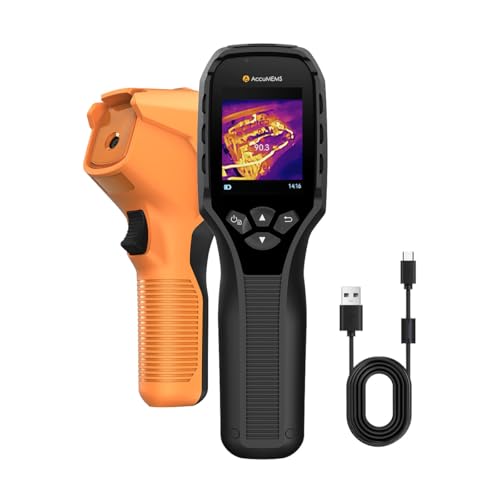
- 240g compact body
- Thermal plus thermometer modes
- Up to 14 hours runtime
Best For: Technicians needing a lightweight HVAC thermal camera for all-day field use
Analysis-Ready Thermal Tool

- 320×240 LCD with TISR enhancement
- Windows PC analysis and report tools
- 8GB storage for 20,000+ images
Best For: HVAC users who want image storage and PC-based thermal analysis
Ultra-Light HVAC Scanner

- 240g lightweight handheld design
- Dual thermal and thermometer modes
- 14-hour battery life
Best For: HVAC and electrical inspections that need a simple, portable thermal camera
Professional Thermal Inspector
Elitech 256x192 IR Diagnostics

- 256 x 192 IR resolution with <40mK sensitivity
- Records real-time thermal video for intermittent faults
- IP54 housing, 2-meter drop rating, 9-hour battery
Best For: HVAC pros and inspectors who need a rugged handheld thermal camera with reporting support
Mobile Diagnostic Pick

- 512 x 384 TISR super resolution with 25Hz refresh
- Plug-in design for iPhone and iPad use
- 0.15W draw and up to 10-12 hours of use
Best For: iPhone and iPad users who want a compact plug-in thermal camera for quick inspections
Dual-Light Field Scanner
240x240 Dual-Light Thermal Imager

- Dual-light fusion shows thermal and real visual images together
- Smart modes for HVAC, plumbing, electrical, and more
- Includes temp alerts, 8GB storage, and PC PDF reports
Best For: Inspectors who want dual-light imaging and one-touch scene presets for field use
AI Fault Finder – HF96 Thermal Camera with AI Scene Detection
If you want an infrared inspection camera for HVAC systems that can do more than basic spot checks, the HF96 stands out with AI scene recognition, live super-resolution, and a wide 50° field of view. It is built for faster troubleshooting in HVAC, electrical, and building inspections, with practical tools like a laser pointer, alarms, and PC software for deeper analysis.
Best For: Technicians who want AI-assisted scene detection and high-detail thermal imaging for HVAC and building work.
Pros:
- AI scene recognition helps identify water leaks and insulation gaps faster.
- Live super resolution boosts thermal images to 240×240 for clearer inspection detail.
- Wide measurement range from -4°F to 1022°F with ±3.6°F accuracy.
- Long 11-hour runtime and 4 GB storage support extended inspection sessions.
Cons:
- No moisture readings, so it does not replace a dedicated moisture meter.
- Firmware update is needed to access the scene feature.
This is a strong choice if you want an infrared inspection camera for HVAC systems with modern automation and solid field durability. It balances clarity, runtime, and inspection aids well for professional use.
Mini Runtime Pro – TOPDON TC004 Mini Thermal Camera
The TOPDON TC004 Mini is a compact infrared inspection camera for HVAC systems, leak checks, and electrical work, with 240×240 enhanced clarity, a 40° x 30° field of view, and a 25Hz refresh rate. Its pocket-friendly build and 15-hour battery life make it practical for long days of troubleshooting without a lot of charging downtime.
Best For: Users who want a small, long-running thermal camera for general HVAC and home inspection tasks.
Pros:
- 240×240 TISR enhancement improves detail beyond the native 128×128 image.
- 15-hour battery life supports extended inspection work.
- Auto high/low temp alerts help flag hot or cold problem areas quickly.
- Compact, lightweight design is easy to carry and use on the go.
Cons:
- Native IR resolution is 128×128 before enhancement.
- Built-in storage tops out at 8,000 photos, which may be limiting for heavy documentation.
For buyers who value portability and runtime, this is a very practical infrared inspection camera for HVAC systems and everyday diagnostics. It is especially appealing when you want smart alerts in a small, durable package.
Rugged Field Classic – FLIR TG165-X Thermal Imaging Camera
The FLIR TG165-X is a rugged infrared inspection camera for HVAC systems, electrical checks, and building maintenance, designed around practical field use. Its 80×60 IR sensor, MSX image enhancement, and bullseye laser make it easier to see and aim at the measurement area during fast spot inspections.
Best For: Pros who want a durable FLIR camera for quick HVAC, electrical, and building diagnostics.
Pros:
- MSX enhancement adds visual detail to thermal images for easier interpretation.
- Bullseye laser pointer helps define the measurement area quickly.
- Rugged IP54 enclosure is built to handle dirt, dust, and oil.
- Measures from -25°C to 300°C, covering many HVAC and electrical tasks.
Cons:
- 80×60 IR resolution is lower than some newer enhanced models.
- Best suited to spot checking rather than highly detailed thermal imaging.
If durability and fast, easy readings matter most, this FLIR model remains a dependable infrared inspection camera for HVAC systems. It is a straightforward field tool with strong brand support and solid protection.
Pocket Touch Inspect – Mini Thermal Camera with Touchscreen
This mini infrared inspection camera for HVAC systems is built for quick, beginner-friendly scans without apps, Wi-Fi, or complicated setup. With an 80×60 IR sensor, touchscreen control, and pocket-sized body, it is aimed at fast checks for heat leaks, airflow issues, and other everyday temperature differences.
Best For: Homeowners, DIYers, and travelers who want a simple pocket thermal imager.
Pros:
- Touchscreen interface and no-app operation make it easy to use right away.
- Very small and lightweight design fits easily in a pocket or tool kit.
- Useful for HVAC airflow checks, wall leaks, and cold-spot scanning.
- Real-time thermal viewing supports quick on-the-spot decisions.
Cons:
- 14°F to 284°F range is narrower than many professional thermal cameras.
- Designed more for simple inspections than advanced diagnostic work.
This model is a strong pick if you want an easy, compact infrared inspection camera for HVAC systems and general home use. It favors convenience and portability over advanced measurement features.
Compact HVAC Inspector – GT14S Thermal Imaging Camera
If you want an infrared inspection camera for hvac systems that stays easy to carry through long service calls, this GT14S is built for quick thermal checks and point-and-shoot readings. Its thermal imaging plus thermometer mode helps you move between broad scans and exact temperature readings without slowing down the job.
Best For: Technicians who want a lightweight, all-day thermal camera for HVAC and general inspection work.
Pros:
- Ultra-light 240g design with a non-slip grip for comfortable handheld use
- Dual mode setup combines thermal imaging with thermometer mode for flexible inspection
- 14-hour runtime supports full-day field work
- 50° field of view and custom high/low alarms help speed up anomaly detection
Cons:
- Focuses on practical inspection features rather than advanced analysis tools
- Smaller form factor may not suit users who prefer a larger display body
This GT14S is a strong fit when portability, battery life, and fast temperature checks matter most. It is especially appealing for HVAC troubleshooting where you want broad thermal visibility and a simple workflow.
Analysis-Ready Thermal Tool – FOXWELL RT280
The FOXWELL RT280 is a practical infrared inspection camera for hvac systems when you want clear thermal visuals and built-in documentation tools. Its 320×240 LCD, TISR-enhanced resolution, and PC analysis support make it a solid choice for spotting temperature differences and turning inspection images into usable reports.
Best For: Users who want thermal imaging plus PC-based analysis and image storage for professional documentation.
Pros:
- 320×240 LCD with TISR-enhanced effective resolution for clearer thermal detail
- Windows PC analysis supports point, line, area, 2D/3D views, and report generation
- Built-in 8GB eMMC storage holds over 20,000 images
- Laser pointer, LED light, and high/low alarms improve targeting and anomaly detection
Cons:
- PC analysis is not compatible with Mac
- Heavier emphasis on documentation may be more than casual users need
For HVAC inspections that need clearer records, the RT280 stands out because it pairs practical field use with stronger analysis features. It is a good fit if you want thermal checks that can be reviewed, stored, and shared later.
Ultra-Light HVAC Scanner – GT14S Thermal Imaging Camera
This GT14S is an infrared inspection camera for hvac systems designed for quick, lightweight field use. It combines thermal imaging and thermometer mode, so you can scan ducts, equipment, and other surfaces visually, then switch to direct temperature readings when you need exact numbers.
Best For: HVAC and electrical inspectors who want a compact thermal camera with simple, fast operation.
Pros:
- Ultra-light 240g build makes it easy to carry and use for long periods
- Thermal imaging plus thermometer mode gives both scan and spot-check flexibility
- 14-hour battery life supports extended inspections without frequent charging
- 50° wide field of view and high/low alarms help identify issues quickly
Cons:
- Better suited to straightforward inspection use than advanced thermal workflows
- May feel basic if you need computer-side reporting or deeper analysis
If your priority is speed and portability, this model delivers the core features most HVAC techs need in the field. It keeps the workflow simple while still offering the measurement range and alert tools useful for routine troubleshooting.
Professional Thermal Inspector – Elitech 256×192 IR Diagnostics
If you want an infrared inspection camera for hvac systems that’s built for more than quick spot checks, this Elitech handheld model gives you clear thermal detail, video capture, and PC reporting support. Its 256 x 192 IR resolution, <40mK sensitivity, and 25Hz refresh rate make it a practical choice for tracking air leaks, insulation gaps, overheating components, and irregular HVAC airflow.
Best For: HVAC pros, home inspectors, and contractors who want a rugged handheld thermal camera with video recording and reporting tools.
Pros:
- 256 x 192 IR sensor with 49,152 pixels for more detailed thermal imaging
- Real-time radiometric video recording helps catch intermittent faults and airflow issues
- Includes PC analysis software, USB-C connection, and high/low temperature alarms
- Rugged IP54 housing, 2-meter drop resistance, and 9-hour battery life
Cons:
- Bulkier than a phone attachment or pocket-sized thermal option
- Built-in workflow is more inspection-focused than casual-use simple
This is a strong fit if you need a jobsite-ready thermal imager that can document problems instead of just finding them. The included SD card, alarm features, and multiple measurement modes make it especially useful for repeat HVAC and property inspection work.
Mobile Diagnostic Pick – RT100 iPhone Thermal Camera
For buyers looking for an infrared inspection camera for hvac systems that works with an iPhone or iPad, the RT100 is a plug-in option designed for fast, portable checks. It offers 512 x 384 TISR super resolution, a 25Hz refresh rate, and a wide temperature range for spotting heat loss, clogged ducts, and other HVAC-related issues while you’re on the go.
Best For: iPhone and iPad users who want a compact thermal camera for quick HVAC, home, and automotive inspections.
Pros:
- Plug-in design requires no battery and works with iPhone and iPads
- 512 x 384 TISR super resolution with 25Hz real-time imaging
- Wide -4°F to 1022°F temperature range with adjustable emissivity
- Very lightweight at 1.4 oz and includes extension cable, case, and cleaning cloth
Cons:
- Not compatible with Mac
- Requires a Lightning setup or adapter for newer iPhone 15 models
The RT100 makes sense if you want a pocketable thermal tool that lives with your phone instead of in your toolbox. Its app-based controls, temperature alarms, and picture-in-picture mode add useful inspection features without much setup.
Dual-Light Field Scanner – 240×240 Dual-Light Thermal Imager
This infrared inspection camera for hvac systems is aimed at users who want clearer context alongside thermal readings. Its dual-light fusion shows infrared heat maps and real visual images together, while the 240 x 240 TISR output, 25Hz scanning, and <40mK sensitivity help reveal duct issues, heat loss, moisture problems, and overheating parts with less guesswork.
Best For: Home inspectors and HVAC troubleshooters who want dual-light imaging and simple scene presets for faster fieldwork.
Pros:
- Dual-light fusion combines thermal and real visual views for better context
- Smart scene modes include HVAC, floor heating, water pipe, electrical, and pet
- 25Hz scanning with <40mK sensitivity helps spot subtle temperature differences
- Includes temperature alerts, 8GB storage, PC software, and PDF report export
Cons:
- Lower native IR sensor size than some higher-resolution competitors
- Built-in storage is 8GB, so heavier users may want to manage files carefully
This model stands out if you value easy operation and visual context during inspections. The preset scene modes and dual-light view can make it quicker to move between HVAC, plumbing, and electrical checks without constantly adjusting settings.
How We Picked the Best Infrared Inspection Camera for Hvac Systems
We prioritized models that balance thermal detail, measurement accuracy, and everyday portability. For HVAC work, a useful camera should help you spot hot spots, cold air loss, overloaded components, and insulation gaps without slowing you down.
We also looked for meaningful upgrades such as higher IR resolution, TISR or super-resolution processing, fast refresh rates, built-in spot tools, and durable designs that can handle jobsite use.
Quick Comparison
Higher-resolution cameras generally make it easier to see duct leaks, coil issues, and subtle temperature differences. Lower-resolution units can still work for basic inspections, but they may be better suited to quick checks than detailed diagnostics.
Battery life, screen size, and comfort in one-handed use matter more than many buyers expect. If you move between attic spaces, rooftops, and mechanical rooms, a lighter camera with a long runtime can be the better choice even if the spec sheet looks less impressive.
Key Buying Factors for an Infrared Inspection Camera for Hvac Systems
Resolution and Image Processing
For HVAC inspections, resolution is one of the biggest factors in how much detail you can actually see. A higher native IR resolution or strong enhancement technology helps reveal small problem areas around registers, motors, breakers, and duct joints.
Temperature Range and Accuracy
Make sure the camera covers the temperatures you expect to encounter. Most HVAC tasks stay within moderate ranges, but checking electrical components or refrigeration-related systems may require a wider span. Useful tools also include spot temperature readings and on-screen markers.
Refresh Rate and Responsiveness
A faster refresh rate makes it easier to scan moving targets and sweeping surfaces without lag. This is especially helpful when checking airflow patterns, tracing warm or cold lines, and comparing similar zones quickly.
Portability and Workflow
If you want a compact Infrared Inspection Camera for Hvac Systems, look for a model that is easy to carry, simple to operate, and ready to use without a long setup. Touchscreens, clear menus, and no-app operation can save time in the field.
Durability and Battery Life
Long battery life matters on busy service days, and rugged construction helps protect the camera from drops, dust, and frequent transport. A solid carry profile is often just as important as raw imaging specs.
Who Should Buy Which Infrared Inspection Camera for Hvac Systems?
Choose a high-resolution model if you handle detailed HVAC diagnostics, building envelope checks, or frequent troubleshooting where subtle temperature differences matter.
Choose a compact, easy-to-use camera if you want fast inspections, occasional service calls, or a secondary tool that is simple to grab and go.
Choose a long-runtime model if you work long shifts, cover multiple sites, or prefer not to charge your gear every day.
Choose a phone-connected option if you value portability and already rely on your mobile device in the field.
In short, the best choice depends on how often you inspect, how much detail you need, and whether you prioritize image quality, speed, or convenience. For most buyers, the right Infrared Inspection Camera for Hvac Systems is the one that fits your workflow first and your budget second.