Choosing the right microscope depends on what you want to see, how you want to view it, and where you plan to use it. For hobbyists, the best model is often the one that balances magnification, image quality, lighting, and ease of use.
This roundup covers a range of microscopes for hobbyists, from compact handheld options to digital LCD models and traditional compound microscopes, so you can find the right fit for collecting, learning, crafting, and repair work.
Best 10 Microscopes for Hobbyists Picks for 2026
Biology-First Pick
PalliPartners Compound Microscope for Adults & Students

- 100X to 2000X optical magnification
- Top and bottom LED lighting
- Includes slides, phone adapter, and remote
Best For: Hobbyists who want a real compound microscope for biology
Coin-and-Bench Digital Pick
TOMLOV DM9 7" Digital Microscope

- 7-inch LCD screen for comfortable viewing
- 12MP photos and 1080P video capture
- Metal base with adjustable stand and lighting
Best For: Coin collectors and hobbyists who want a screen-based inspection tool
Pocket Field Pick
Carson MicroBrite Plus 60x-120x

- Pocket-size microscope for portability
- 60x to 120x magnification range
- Built-in LED illumination
Best For: On-the-go hobbyists and students who want a compact handheld scope
Large-Screen All-Rounder
Andonstar AD210 10.1 Inch LCD Digital Microscope

- 10.1-inch IPS display for easy viewing
- Works for coins, soldering, and slides
- Includes 32GB card, remote, and light stage
Best For: Hobbyists who want one digital microscope for several types of close-up work
Best All-Around Biology Pick
Trinocular Compound Microscope with 5MP Camera

- 40x-2000x magnification range
- Trinocular head for camera use
- Top and bottom LED illumination
Best For: Adults and hobbyists who want a capable biology microscope for home learning and documentation
Best Starter Kit
58-Piece Kids Microscope Kit with Slides

- 58-piece set with tools and slides
- 100X-1200X magnification for beginners
- LED light and carrying box included
Best For: Kids and beginner families who want a ready-to-use STEM microscope kit
Best Digital Workhorse
3-Lens 2160P HDMI Digital Microscope

- Three lenses for multiple use cases
- 2160P recording with HDMI output
- Boom arm stand and LED lighting
Best For: Hobbyists who want a versatile digital microscope for workbench use and screen viewing
Hybrid Compound Microscope Kit
Adult/Beginner Compound Microscope

- 100X to 2000X magnification range
- Dual LED lighting for different specimen types
- Includes slides, tools, and phone adapter
Best For: Beginners and hobbyists wanting a sturdy tabletop microscope kit
Desktop Digital Detail Scope

- 10.1-inch IPS screen for easy viewing
- 5X to 1500X zoom with recording support
- Remote control and 10 LED lights
Best For: Coin collectors and electronics hobbyists who want a desktop digital view
Portable Pocket Inspection Scope
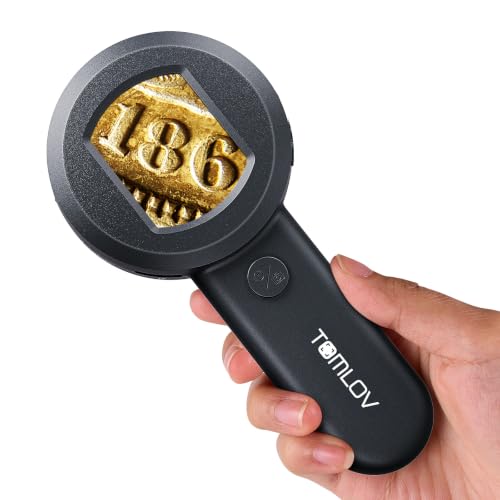
- Ultra-light 3.9 oz handheld design
- 2-inch LCD screen with live viewing
- 100X fixed magnification and UV/white lights
Best For: Hobbyists who want a portable quick-look microscope
Biology-First Pick – PalliPartners Compound Microscope for Adults & Students
If you want microscopes for hobbyists that lean toward real biology work, this PalliPartners compound microscope is built for viewing cells, microorganisms, plant tissue, and prepared slides at high magnification. It also includes lighting and accessories that make it easier to start experimenting right away.
Best For: Teens, students, and hobbyists who want a true compound microscope for biology-style viewing at home.
Pros:
- 100X to 2000X magnification gives plenty of range for slides and small specimens.
- Top and bottom LED illumination helps with both opaque and translucent samples.
- Includes 28 slides, phone adapter, and Bluetooth remote for ready-to-use setup.
- Coarse and fine focus knobs help sharpen the image more precisely.
Cons:
- Designed more for slide observation than for coins, electronics, or general bench work.
- Best results will depend on learning proper slide prep and focusing techniques.
For hobbyists who want a classroom-style microscope rather than a novelty scope, this model offers strong value and a complete starter kit. It fits well as a practical entry point into biological microscopy.
Coin-and-Bench Digital Pick – TOMLOV DM9 7" Digital Microscope
Among microscopes for hobbyists, the TOMLOV DM9 stands out if your interests include coins, small parts, jewelry, or hobby electronics. Its 7-inch LCD screen and adjustable stand make close-up inspection easier and more comfortable than leaning over a traditional eyepiece.
Best For: Coin collectors, DIYers, and hobbyists who want a screen-based microscope for close inspection and recording.
Pros:
- 7-inch LCD display makes details easy to view and share.
- 12MP photos and 1080P video support documentation of findings.
- Stable metal base and 8.5-inch stand improve control during inspection.
- 8 LEDs plus flexible gooseneck lights help reduce glare and shadows.
Cons:
- Better suited to flat or small close-up objects than classic slide biology.
- Bulky compared with pocket microscopes and not as portable.
If your hobby involves collecting, repair, or detailed surface inspection, this digital microscope gives you a useful screen, sturdy support, and capture features in one package. It is especially appealing for anyone who wants less eye strain and more documentation.
Pocket Field Pick – Carson MicroBrite Plus 60x-120x
If you need microscopes for hobbyists that are easy to carry anywhere, the Carson MicroBrite Plus is a compact LED pocket microscope with a simple magnification range for quick inspection. It is a practical choice for field use, classroom carry, and casual everyday observation.
Best For: Hobbyists, students, and explorers who want a lightweight pocket microscope for quick viewing on the go.
Pros:
- Compact and lightweight design makes it highly portable.
- 60x to 120x magnification covers many small-object observations.
- Built-in LED lighting helps illuminate specimens clearly.
- Lab-tested accuracy and limited lifetime warranty add confidence.
Cons:
- Small handheld form factor is less steady than larger stand-mounted models.
- Not meant for detailed digital capture or extended bench-top work.
This is the kind of microscope that fits in a pocket and comes out when curiosity strikes. It is best viewed as a portable observation tool rather than a full-featured lab setup.
Large-Screen All-Rounder – Andonstar AD210 10.1 Inch LCD Digital Microscope
For hobbyists who want one tool that can handle multiple tasks, this Andonstar AD210 blends a large display, a strong stand, and both top and bottom lighting. It is positioned for coin work, soldering, and biological slide viewing, making it a flexible option in the microscopes for hobbyists category.
Best For: Hobbyists who want a versatile digital microscope for coins, electronics repair, and slide viewing.
Pros:
- 10.1-inch IPS screen gives a large, clear viewing area.
- Supports 1080P video and 12MP photo capture for recording results.
- Bottom light stage plus top and side LEDs support multiple sample types.
- Includes a sturdy stand, 32GB card, card reader, and remote control.
Cons:
- More of a bench-top digital microscope than a portable handheld model.
- Its size and feature set may be more than a casual user needs.
If you want a versatile microscope that can move between collecting, repair, and basic biological observation, the AD210 offers a broad feature set. It is a strong choice when screen size and workflow flexibility matter.
Best All-Around Biology Pick – Trinocular Compound Microscope with 5MP Camera
If you want microscopes for hobbyists that can do more than just casual viewing, this trinocular compound model offers a strong mix of magnification, stable slide handling, and built-in digital capture. The 40x-2000x range makes it useful for basic biology observations, while the dual LED lighting and dual focus knobs help keep viewing clear and controlled.
Best For: Adults and hobbyists who want a more capable biology-focused microscope for home learning, light lab use, and sharing images.
Pros:
- 40x-2000x magnification covers everyday specimen inspection and more detailed viewing.
- Trinocular head supports adding a camera for documentation and sharing.
- Top and bottom LED lighting helps with transparent and non-transparent specimens.
- Double-layer stage and coarse/fine focus knobs support steadier, more precise use.
Cons:
- More complex than a beginner kid-focused microscope.
- Designed around biology-style viewing rather than simple all-in-one play.
This is a practical choice if you want a hobby microscope that can grow with your interests. It leans toward serious home observation while still staying approachable for education and basic specimen work.
Best Starter Kit – 58-Piece Kids Microscope Kit with Slides
For families looking at microscopes for hobbyists who are just starting out, this kids microscope kit focuses on hands-on discovery and easy first steps. It includes prepared and blank slides, basic tools, and a colorful guide, making it a straightforward way to explore plants, insects, and everyday objects at home or in the classroom.
Best For: Kids ages 5-12, parents, and teachers who want an educational beginner kit with slides and tools included.
Pros:
- 58-piece kit includes prepared specimens, blank slides, and lab tools.
- Colorful guide supports early STEM learning and microscope basics.
- LED lighting and 100X-1200X magnification suit beginner exploration.
- Portable carrying box makes it easier to store and move around.
Cons:
- Built for beginners, so it is not aimed at advanced hobby use.
- Requires 2 AA batteries, which are not included.
This kit stands out as a low-friction way to introduce microscopy without needing extra accessories. It is best when the goal is guided learning, not high-end optical performance.
Best Digital Workhorse – 3-Lens 2160P HDMI Digital Microscope
If you want microscopes for hobbyists that can handle electronics, coins, and slides, this digital model is built for versatility. Its three interchangeable lenses, HDMI output, and 2160P recording make it useful for close inspection on a screen, while the boom arm stand and adjustable LED lighting help with practical work setups.
Best For: Hobbyists who need a versatile digital microscope for soldering, coins, biology slides, and screen-based viewing.
Pros:
- Three lenses cover soldering, coins, plants, stones, and biological slides.
- 2160P video recording and HDMI output support larger-screen viewing.
- Adjustable boom arm stand is suited to soldering and other workbench tasks.
- Includes measurement software, remote control, SD card, and multiple accessories.
Cons:
- Digital viewing style is different from a traditional eyepiece microscope.
- Setup is more feature-rich, so it may be more than a simple starter needs.
This is the most flexible option in the group if your hobbies cross between electronics and specimen viewing. It is especially appealing when you value screen output, recording, and accessory support.
Hybrid Compound Microscope Kit – Adult/Beginner Compound Microscope
If you want microscopes for hobbyists that can handle both learning and more serious observation, this compound model gives you a wide magnification range and a full starter kit. It combines 4x, 10x, and 40x objectives with a WF25X eyepiece and 2X lens support, so it suits users who want flexibility for classroom work, home experiments, and general biological viewing.
Best For: Beginners, students, and hobbyists who want a sturdy compound microscope with included slides and accessories.
Pros:
- 100X to 2000X magnification options for a broad range of viewing tasks
- Dual LED lighting with top incident and bottom transmitted light for opaque and translucent specimens
- Metal frame construction for a sturdier, more durable feel
- Includes prepared slides, blank slides, tools, and a phone adapter
Cons:
- Requires 3 AA batteries or the included AC adapter
- More complex than a simple handheld microscope
- Best suited to tabletop use rather than quick field checks
This is a practical all-in-one choice if you want a microscope kit that feels more complete than a barebones starter model. The included accessories and lighting setup make it a strong pick for hobby learning, home science, and basic lab-style observation.
Desktop Digital Detail Scope – 10.1" LCD Coin Microscope
For hobbyists who prefer a screen-based setup, this digital option stands out among microscopes for hobbyists because it makes close-up viewing more comfortable and shareable. The 10.1-inch IPS display, 5X to 1500X zoom range, and included stand make it a strong fit for coins, soldering work, jewelry, and other fine-detail inspections.
Best For: Coin collectors, electronics tinkerers, and hobbyists who want a large-screen digital microscope.
Pros:
- Large 10.1-inch IPS screen with 178° viewing angle
- 5X to 1500X zoom for a wide inspection range
- PC/TV connection support for larger viewing
- 10 LED lights plus wireless remote for easier operation
Cons:
- Bulkier than handheld microscopes
- Designed more for desktop use than portability
- Best for inspection and recording, not traditional slide viewing
This model makes sense if you value a screen, remote control, and recording features over a classic optical setup. It is especially appealing for repeated close inspections where comfort, stability, and shared viewing matter.
Portable Pocket Inspection Scope – Handheld 2" LCD Microscope
If you want microscopes for hobbyists that are easy to carry and quick to use, this handheld model keeps things simple. It offers a fixed 100X magnification, a 2-inch LCD screen, and built-in lighting, making it a convenient pick for checking coins, jewelry, leaves, insects, and other small details on the go.
Best For: Hobbyists, collectors, gardeners, and students who need a lightweight handheld microscope for quick inspections.
Pros:
- Very lightweight at 3.9 oz for easy portability
- 2-inch LCD screen for live viewing and easy sharing
- 100X fixed magnification with simple fixed-focus operation
- White and UV lights help with different viewing tasks
Cons:
- Fixed 100X magnification only
- Shorter battery runtime than larger desktop models
- Less flexible than multi-lens compound microscopes
This is a straightforward option if you want a pocket-friendly inspection tool instead of a more advanced lab-style microscope. It works best for fast lookups, casual exploration, and situations where portability matters most.
How We Picked These Microscopes for Hobbyists
We focused on models that make sense for real-world hobby use: clear optics or useful digital imaging, practical magnification ranges, dependable lighting, and controls that are easy to handle on a desk or workbench. We also considered versatility, since many hobbyists want one microscope that can handle coins, slides, circuit boards, small parts, or beginner biology.
Quick Comparison
Digital microscopes are usually the easiest choice for coin grading, soldering, and sharing images on a screen. Compound microscopes are better for slides, specimens, and basic biology. Handheld pocket microscopes are the most portable and work well for quick checks, field use, and casual observation.
Key Buying Factors for Microscopes for Hobbyists
Magnification Range
Higher numbers are not always better. For coins, stamps, and electronics, moderate to high magnification with good focus control is more useful than extreme magnification alone. For slides and plant samples, a stable compound microscope with clear lower magnification steps is usually the better choice.
Lighting and Image Quality
LED illumination is essential for hobby use because it improves contrast and reveals fine detail. Look for adjustable brightness and even lighting, especially if you will inspect reflective items like coins or metal components.
Display or Eyepiece
Digital LCD microscopes are easier for shared viewing and longer sessions, while eyepiece models can offer a more traditional view and less reliance on screens. If multiple people will use the microscope, a screen can be a major advantage.
Stability and Build
A solid base and smooth focusing help reduce frustration. Hobbyists who work with tiny parts should prioritize a stable stand and precise focus, while parents and beginners may prefer simpler controls and a lighter setup.
Who Should Buy Which Microscopes for Hobbyists?
If you want to inspect coins, solder joints, or small repairs, a digital LCD microscope is often the most practical choice. If your interest leans toward biology, prepared slides, and specimens, choose a compound microscope with a reliable stage and clear optics. If portability matters most, a handheld microscope is the easiest to carry and use on the go. For families and beginners, a kit-style microscope can be a good entry point, especially when it includes slides and accessories.
For most Microscopes for Hobbyists, the best match comes down to the subject matter first and the viewing style second. Start with what you want to observe, then choose the magnification, lighting, and format that make that use case easier.