As photography continues to evolve, the best mirrorless cameras of 2026 stand out with their remarkable features and versatility. Whether you’re an amateur or a seasoned professional, these models promise to elevate your photography game. From impressive autofocus systems to stunning video capabilities, there’s something for everyone. But how do you choose the right one for your needs? Let’s explore the top contenders and what makes each one unique.
Sony Alpha a6400 Mirrorless Camera (ILCE-6400L/B)
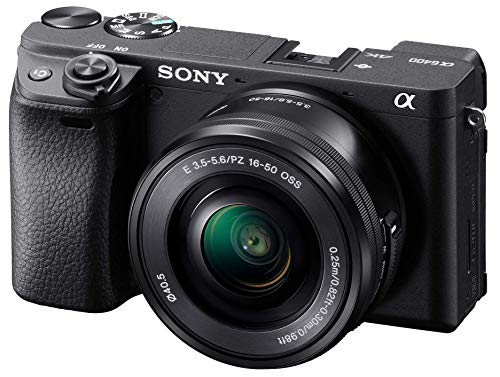
If you’re a photography enthusiast seeking versatility and high-quality performance, the Sony Alpha a6400 Mirrorless Camera (ILCE-6400L/B) is an excellent choice. With its 20.1MP stacked back illuminated sensor, you’ll capture stunning images at a resolution of 25 MP. The 16-50mm lens offers great flexibility, while the 425 phase and contrast detection autofocus guarantees sharp focus. You can shoot continuously at 11 FPS and record 4K video effortlessly. The 3-inch tilting touchscreen enhances usability, and the lightweight design makes it easy to carry. With a 1-year warranty and solid customer reviews, this camera’s a reliable companion for any photographer.
Best For: Photography enthusiasts looking for a versatile and high-performance mirrorless camera.
Pros:
- High image quality with a 20.1MP sensor and 25 MP effective resolution.
- Fast autofocus with 425 phase and contrast detection points for sharp images.
- Lightweight and portable design makes it easy to carry for on-the-go shooting.
Cons:
- Limited battery life may require extra batteries for extended shooting sessions.
- No in-body image stabilization, which may affect handheld shooting in low light.
- Complex menu system that may take time to learn for new users.
Sony Alpha a7 IV Full Frame Mirrorless Camera Bundle

The Sony Alpha a7 IV Full Frame Mirrorless Camera Bundle is the perfect choice for aspiring filmmakers and photographers seeking exceptional image quality and versatility. With its 33MP full-frame sensor and BIONZ XR processor, you’ll capture stunning low-noise images and fast 4K video. The cinematic 4K 60p video and advanced autofocus system guarantee your shots remain sharp and vibrant, regardless of the lighting. The bundle includes all essential accessories like a 128GB SD card and extra battery, making it ideal for professional-level performance. Plus, with a one-year warranty, you can shoot confidently, knowing support is there when you need it.
Best For: Aspiring filmmakers and photographers looking for exceptional image quality and versatile shooting options.
Pros:
- High-resolution 33MP full-frame sensor delivers stunning low-noise images and vibrant colors.
- Cinematic 4K 60p video capability ensures unmatched sharpness and realism for video projects.
- Comprehensive bundle includes essential accessories like an extra battery and a 128GB SD card for professional-level performance.
Cons:
- Price point may be high for beginners or casual users.
- Learning curve associated with advanced features and settings might overwhelm some users.
- Bulkiness compared to compact cameras may not appeal to those seeking ultra-portability.
Sony Alpha 7 IV Full-Frame Mirrorless Camera with 28-70mm Lens Kit

For photographers and videographers seeking versatility and performance, the Sony Alpha 7 IV Full-Frame Mirrorless Camera with 28-70mm Lens Kit stands out as an exceptional choice. With its 33MP full-frame Exmor R sensor and next-generation BIONZ XR image processing engine, you’ll capture stunning images and videos effortlessly. Shoot up to 4K 60p with advanced movie features like Focus Map and S-log3 for professional-quality footage. Plus, the real-time Eye-AF guarantees sharp focus on subjects, whether they’re human, animal, or bird. The included 28-70mm lens kit enhances your creative possibilities, making this camera a valuable addition to your gear.
Best For: Photographers and videographers seeking a high-performance, versatile camera for both stunning stills and professional-quality video content.
Pros:
- Exceptional 33MP full-frame sensor for high-resolution images.
- Advanced video capabilities with 4K 60p recording and professional features.
- Real-time Eye-AF for precise focus on various subjects, enhancing shooting ease.
Cons:
- The included 28-70mm lens may not be suitable for all shooting situations, limiting versatility.
- The complexity of advanced features may require a learning curve for beginners.
- Price point may be higher compared to entry-level mirrorless options.
Sony Alpha a6400 Mirrorless Camera with E PZ 16-50mm Lens

Compact and versatile, the Sony Alpha a6400 Mirrorless Camera with E PZ 16-50mm Lens is perfect for content creators and photography enthusiasts alike. With its 24.2MP APS-C sensor, you can capture stunning images in various lighting conditions thanks to an impressive ISO range of 100-51,200. The fast autofocus, featuring 425 points, guarantees you won’t miss a moment. Enjoy 4K video recording with full pixel readout, and the tiltable 3-inch touchscreen makes framing shots easy. Plus, with Bluetooth and Wi-Fi connectivity, sharing your work is a breeze. This camera combines performance and portability, making it a fantastic choice for any photographer.
Best For: Content creators and photography enthusiasts looking for a compact and versatile camera with advanced features.
Pros:
- Fast autofocus with 425 points for capturing sharp images quickly.
- 4K video recording capabilities with full pixel readout for high-quality footage.
- Bluetooth and Wi-Fi connectivity for easy sharing and remote control.
Cons:
- Limited battery life compared to some DSLRs, requiring additional batteries for extended use.
- The kit lens (16-50mm) may not offer the best low-light performance at maximum aperture.
- No in-body image stabilization, which may affect handheld shooting in challenging conditions.
Canon EOS R50 Mirrorless Camera with RF-S18-45mm Lens Kit

Designed for both budding photographers and seasoned creators, the Canon EOS R50 Mirrorless Camera with RF-S18-45mm Lens Kit stands out with its impressive 24.2 Megapixel CMOS sensor. You’ll enjoy stunning image quality and advanced low-light performance, thanks to the DIGIC X processor. Capture fast action with continuous shooting up to 15 fps and benefit from the Dual Pixel CMOS AF II, covering 100% of the frame. With 6K oversampled uncropped 4K video recording and a vari-angle touchscreen, your creative options are endless. Plus, built-in Bluetooth and Wi-Fi make sharing your moments effortless with the Canon Camera Connect app.
Best For: The Canon EOS R50 Mirrorless Camera is best for both beginner photographers and experienced creators looking for a versatile camera that excels in image quality and video performance.
Pros:
- High image quality with a 24.2 Megapixel sensor and advanced low-light capabilities.
- Fast continuous shooting speeds of up to 15 fps for capturing fast action.
- Versatile video features including 6K oversampled uncropped 4K recording at up to 30 fps.
Cons:
- Limited lens options compared to full-frame camera systems.
- APS-C sensor size may not appeal to those seeking full-frame capabilities.
- Battery life may be shorter during extensive video recording sessions.
Canon EOS R6 Mark II Mirrorless Camera (Body Only)

With its impressive high-speed continuous shooting capability of up to 40 frames per second, the Canon EOS R6 Mark II Mirrorless Camera (Body Only) is ideal for photographers who thrive on capturing dynamic action. Featuring a full-frame CMOS sensor and the powerful DIGIC X image processor, this camera delivers stunning 24.2-megapixel images. Its advanced autofocus system detects faces and animals, ensuring you never miss a moment. With 6K video recording and built-in Wi-Fi and Bluetooth, sharing your creations is seamless. Weighing just 1.3 pounds, it’s lightweight yet robust, making it perfect for any shooting adventure.
Best For: Photographers and videographers seeking a versatile mirrorless camera that excels in action-packed environments and offers advanced autofocus capabilities.
Pros:
- High-speed continuous shooting at up to 40 fps for capturing fast-moving subjects.
- Full-frame CMOS sensor with 24.2 effective megapixels for stunning image quality.
- Built-in Wi-Fi and Bluetooth for easy sharing and connectivity.
Cons:
- Limited memory recording capacity of 29 minutes for video.
- No in-body raw video output options for advanced video workflows.
- May be considered heavy for extended handheld shooting at 1.3 pounds.
Sony a7 III Full-Frame Mirrorless Camera with 28-70mm Lens

For photographers seeking a versatile and high-performance camera, the Sony a7 III Full-Frame Mirrorless Camera stands out as an exceptional choice. With a 24.2MP back-illuminated sensor and a remarkable ISO range of 50 to 204,800, you’ll capture stunning images in various lighting conditions. Its 10fps continuous shooting and advanced 693-point autofocus guarantee you won’t miss a moment. The included 28-70mm lens offers flexibility for different scenes, while 4K UHD video capabilities elevate your content creation. With user-friendly connectivity options and a solid warranty, the a7 III is designed to enhance your photography experience.
Best For: The Sony a7 III is best for photographers and videographers looking for a versatile, high-performance camera that excels in various lighting conditions and offers advanced autofocus capabilities.
Pros:
- Exceptional image quality with a 24.2MP back-illuminated full-frame sensor and wide ISO range.
- Fast continuous shooting at up to 10fps, ideal for capturing fast-moving subjects.
- 4K UHD video capabilities enhance content creation for both photography and videography.
Cons:
- Relatively heavy at 1.8 pounds, which may be cumbersome for extended use.
- Limited lens versatility with the included 28-70mm lens compared to a wider range of options.
- Higher price point compared to entry-level cameras, making it less accessible for beginners.
Nikon Z50 II Compact Mirrorless Camera with Two Lenses

The Nikon Z50 II Compact Mirrorless Camera is perfect for aspiring photographers who want a lightweight yet powerful option. With its 20.9-megapixel DX format sensor, you’ll capture stunning images and videos in 4K UHD. The included NIKKOR Z DX 16-50mm and 50-250mm lenses offer versatility, allowing you to shoot everything from landscapes to wildlife. You’ll appreciate the built-in electronic VR for steady shots and the customizable picture control presets. Plus, sharing your creations is a breeze with Bluetooth and Wi-Fi connectivity. Weighing just 2.4 pounds, it’s the ideal companion for your photography adventures.
Best For: Aspiring photographers seeking a lightweight and versatile camera for both everyday and adventurous photography.
Pros:
- High-quality imaging: 20.9-megapixel sensor and 4K UHD video resolution ensure stunning image and video quality.
- Versatile lens options: Includes two lenses (16-50mm and 50-250mm) for a wide range of shooting scenarios.
- User-friendly connectivity: Bluetooth and Wi-Fi allow for easy sharing of photos and videos through the Nikon SnapBridge app.
Cons:
- Limited continuous shooting speed: At 5 FPS, it may not be ideal for fast-paced action photography.
- Weight may vary: While lightweight for a mirrorless camera, some users might prefer an even more compact option.
- Maximum aperture limitations: The f/4.5-6.3 aperture range may restrict performance in low-light conditions.
Canon EOS R100 Mirrorless Camera with RF-S 18-45mm Lens

Ideal for beginners and first-time DSLR users, the Canon EOS R100 Mirrorless Camera offers a user-friendly experience with a 24.1MP APS-C CMOS sensor and intuitive auto scene modes. Its DIGIC 8 Image Processor guarantees quick processing, while Dual Pixel CMOS AF with 143 AF zones assures sharp focus. You’ll appreciate the 6.5 fps electronic shutter for capturing action and the 4K video capability at 24p. With the versatile RF-S 18-45mm lens, built-in image stabilization reduces shake for smooth shots. Enjoy seamless Wi-Fi and Bluetooth connectivity for easy sharing, making it a fantastic choice for capturing every moment in style.
Best For: The Canon EOS R100 Mirrorless Camera is best for beginners and first-time DSLR users looking for an easy-to-use camera that delivers high-quality images and videos.
Pros:
- User-friendly design with auto scene modes simplifies photography for novices.
- High-resolution 24.1MP sensor and DIGIC 8 processor ensure excellent image quality and quick performance.
- Versatile RF-S 18-45mm lens includes built-in image stabilization for smooth shooting.
Cons:
- Limited 4K video capabilities with a crop may not satisfy advanced videographers.
- Electronic shutter speed of 6.5 fps may be slower compared to other cameras in its class for action shots.
- No in-body image stabilization, relying instead on lens stabilization.
Sony Alpha 7 V Full-Frame Mirrorless Camera (Body Only)
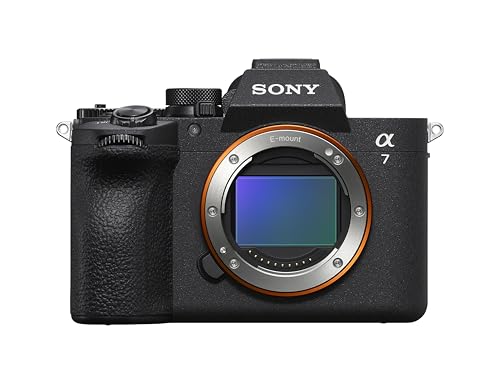
With a remarkable 33.0 MP partially stacked Exmor RS CMOS sensor, the Sony Alpha 7 V Full-Frame Mirrorless Camera is perfect for photographers seeking top-tier image quality and performance. You’ll enjoy continuous shooting at 30 fps, ensuring you capture every fleeting moment. The advanced BIONZ XR2 processing engine enhances noise reduction and color accuracy, while the 5-axis in-body stabilization keeps your shots steady. With 4K video recording at 120p and a refined user interface, it’s designed for versatility. Connectivity options like Bluetooth and Wi-Fi make sharing your work effortless. Weighing just 1.35 lbs, it’s a powerful yet portable companion.
Best For: Photographers and videographers seeking high-resolution image quality and advanced features in a compact, versatile mirrorless camera.
Pros:
- Exceptional image quality with a 33 MP sensor and advanced noise reduction.
- Fast continuous shooting at 30 fps, ideal for capturing action shots.
- Versatile connectivity options including Bluetooth and Wi-Fi for easy sharing and remote control.
Cons:
- Body only; additional expenses for lenses and accessories may be required.
- Weight of 1.35 lbs may not be suitable for all users, especially those seeking ultra-light options.
- 4K video recording at 120p may require high-capacity memory cards for optimal performance.
Factors to Consider When Choosing a Mirrorless Camera
When choosing a mirrorless camera, you’ll want to contemplate several key factors that can impact your photography experience. Think about the importance of sensor size, the efficiency of the autofocus system, and how well the camera handles video capabilities. Additionally, lens compatibility and battery life are essential aspects that can make or break your decision.
Sensor Size Importance
Choosing the right sensor size for your mirrorless camera can greatly influence the quality of your photographs, especially in challenging lighting conditions. Larger sensors typically capture more light, enhancing performance in low-light situations. For instance, full-frame sensors provide a wider field of view and greater depth of field control compared to APS-C sensors. This means you can achieve stunning effects and maintain detail in both highlights and shadows. Additionally, larger sensors often result in higher effective megapixels, allowing for increased detail in prints and cropping. Keep in mind that sensor size also affects lens compatibility; larger sensors may require wider lenses to guarantee image quality across the frame. Ultimately, selecting the right sensor size is essential for achieving your photographic goals.
Autofocus System Efficiency
As you explore mirrorless cameras, understanding autofocus system efficiency is crucial for achieving sharp images, especially in dynamic situations. Look for systems with a high number of autofocus points—hundreds can provide greater coverage and faster focusing. Advanced technologies like phase detection and contrast detection enhance your camera’s ability to track moving subjects and deliver accurate focus, even in tricky lighting. Real-time Eye AF is a game-changer for portrait photography, ensuring sharpness on a subject’s eyes. Also, consider continuous shooting speed; higher FPS lets you capture fast action without losing focus. Many modern cameras employ AI-based recognition systems to bolster tracking accuracy, particularly in environments with multiple subjects. Prioritize these features for maximum performance.
Video Capabilities Evaluation
To guarantee you get the most out of your mirrorless camera for video production, evaluate its capabilities carefully. Start with the maximum video resolution; 4K (2160p) is vital for high-quality footage. Next, check for high frame rates—aim for 60 fps in 4K to capture smooth, cinematic motion. Don’t overlook bit depth and color sampling; 10-bit recording offers a broader dynamic range and richer color data for your edits. Features like S-Log3 and HDR support are essential for enhancing color grading and dynamic range. Finally, verify the camera has advanced autofocus, such as Real-time Eye-AF, to keep moving subjects in sharp focus. These factors collectively elevate your video production quality considerably.
Lens Compatibility Options
When selecting a mirrorless camera, lens compatibility shouldn’t be overlooked. Different models often feature distinct lens mounts, which can limit your options. Look for cameras that support a variety of lenses, such as wide-angle, telephoto, and macro, to enhance your shooting versatility. Some brands provide adapters, allowing you to use lenses from other systems, giving you even more choices. Pay attention to the maximum aperture of compatible lenses, as it greatly impacts low-light performance and depth of field. Additionally, consider lenses with image stabilization features, which can work alongside the camera’s in-body stabilization, resulting in sharper images, especially in challenging conditions. Ultimately, ensuring broad lens compatibility will help you capture every moment beautifully.
Battery Life Consideration
How long can you shoot before needing a recharge? Battery life in mirrorless cameras varies widely; some models offer only a few hundred shots per charge, while others exceed 1,000, depending on your usage. Most use lithium-ion batteries, which outperform older technologies. If you plan to shoot continuously, keep in mind that features like high-speed autofocus and image stabilization can drain your battery faster. Additionally, using electronic viewfinders and LCD screens consumes power, even when you’re not shooting. For convenience, look for cameras with easily swappable rechargeable batteries or those that support USB charging. This way, you’ll stay prepared during extended shooting sessions without missing those vital moments.
Weight and Portability
Battery life is just one aspect to contemplate in your quest for the perfect mirrorless camera; weight and portability can greatly influence your shooting experience. When choosing, keep in mind that mirrorless cameras range from 10.3 ounces to over 1.8 pounds. A lighter camera body can reduce fatigue, making it easier for you during long events or hikes. Weight distribution matters, too; a well-balanced camera enhances handling and comfort, especially with larger lenses. Compact models provide portability without sacrificing image quality, perfect for everyday and spontaneous photography. Plus, many cameras come with features like foldable screens and lightweight designs, making them ideal companions for your travels. Prioritize weight and portability for a seamless shooting experience.
Price and Value Analysis
Understanding the price and value of a mirrorless camera is essential, especially since the right choice can greatly enhance your photography experience. When evaluating price, consider effective resolution and sensor type; higher megapixel counts and full-frame sensors usually cost more but improve image quality. Check included accessories, as bundles with extra batteries and lenses offer better overall value than body-only options. Warranty offerings and customer reviews are vital—cameras with longer warranties and high ratings often indicate reliability. Don’t overlook video capabilities; features like 4K recording can drive up costs, especially for videographers. Finally, compare continuous shooting rates and autofocus systems, as superior performance in these areas can considerably boost a camera’s value for action photography.