Smart glasses for music are evolving fast, blending open-ear listening with call handling, voice features, and lightweight frames you can wear all day. The best pairs balance audio quality, comfort, battery life, and practical extras without feeling bulky.
In this roundup, we focus on models that make sense for real-world use: commuting, travel, workouts, office calls, and hands-free convenience. If you want glasses that do more than play audio, this guide will help you narrow the field quickly.
Best 10 Smart Glasses for Music Picks for 2026
Sport Audio Favorite
Lightweight Bluetooth Music Sunglasses

- 10-hour playtime for music and calls
- Lightweight open-ear comfort
- Water-resistant with UV400 protection
Best For: Sports, driving, and outdoor listening
AI All-in-One Pick
ChatGPT Smart Glasses With Music

- 10 hours of music playback
- AI voice assistant and meeting tools
- 160+ language real-time translation
Best For: People who want audio, AI, and translation together
Premium Audio Classic
Bose Open-Ear Music Sunglasses

- Bose open-ear speakers
- Built-in microphone for calls
- Blocks up to 99% UVA/UVB rays
Best For: Buyers who want premium-brand audio sunglasses
Camera-First Travel Frame
AI Smart Glasses with Music Playback
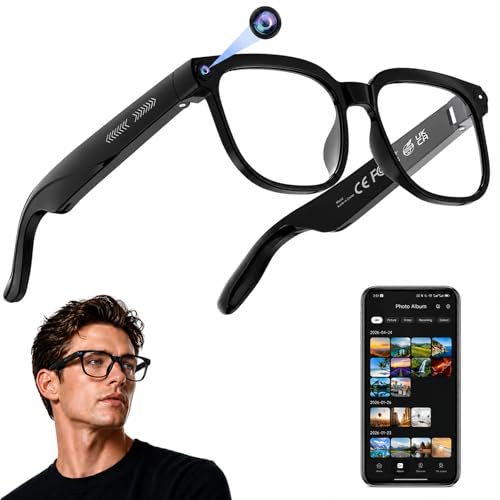
- Open-ear Bluetooth audio for music and calls
- Built-in 4K camera for hands-free capture
- AI translation and object recognition for travel
Best For: Travelers and creators who want music playback with camera features
Lightweight Everyday Audio
Bluetooth Smart Glasses for Music and Calls
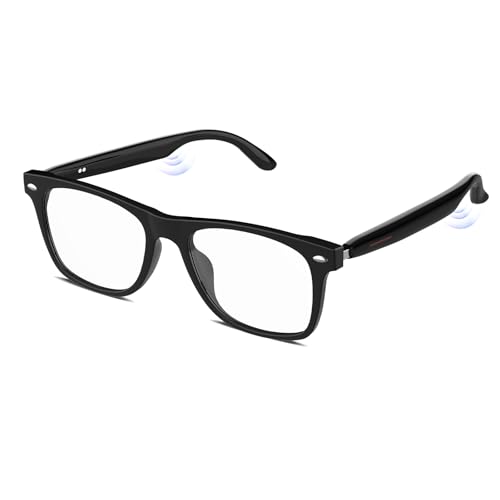
- About 33 g with a stylish, lightweight frame
- Open-ear speakers plus built-in mic for music and calls
- Touch controls, voice assistant, and auto reconnect
Best For: Everyday wearers who want music, calls, and blue light filtering
Feature-Rich AI Frame
Smart Glasses for Music, Translation, and Video

- Open-ear stereo audio with four speakers
- AI assistant plus real-time translation in 165+ languages
- 8MP camera with stabilization for hands-free capture
Best For: Users who want music plus AI translation and camera features
Commuter Creator Pick
Smart Glasses for Music with Open-Ear Audio

- Open-ear audio keeps you aware while listening
- Photochromic lenses adapt indoors and outdoors
- 8MP camera with 1080P capture and auto-pause
Best For: Commuters and casual creators who want music and lens versatility
Tint-Control Translation Pick – Adjustable Smart Glasses With Music Playback
If you want smart glasses for music that do more than just play audio, this pair adds adjustable tint control, Bluetooth calling, and real-time translation. The open-ear design is practical for everyday wear, while the 4-level brightness control makes them easier to use across changing light conditions.
Best For: People who want music playback plus adjustable tinting and translation features in one wearable.
Pros:
- Open-ear Bluetooth audio with music playback and hands-free calling
- Adjustable tint lens with 4 brightness levels instead of fixed photochromic behavior
- AI translation supports 164 languages through the smartphone app
- Fast charging with a built-in 110mA battery and up to 4-6 hours of playback
Cons:
- Not water resistant
- Battery life is shorter than some dedicated audio sunglasses
- Translation depends on pairing with the app and smartphone
Overall, this is a feature-rich option if you want smart glasses for music with extra utility for travel or communication. The tint control and translation tools make it more versatile than a basic audio frame.
Sport Audio Favorite – Lightweight Bluetooth Music Sunglasses
For buyers focused on smart glasses for music, this Bose-style audio sunglass option keeps things simple: open-ear sound, long battery life, and a lightweight fit. It is built for active use, with water resistance and UV400 protection making it a strong everyday outdoor pick.
Best For: Active users who want comfortable open-ear music and calls during sports, driving, or outdoor routines.
Pros:
- Lightweight open-ear design for all-day comfort
- Up to 10 hours of battery life for music and calls
- Water-resistant build suited to workouts and running
- Voice control works with Siri and Google Assistant
Cons:
- No translation or AI assistant features
- Audio is open-ear, so it will not isolate sound like earbuds
- Style and feature set are more basic than newer smart-glasses models
This is a solid pick if your priority is dependable audio in a wearable sunglasses form. It is less flashy than some alternatives, but the comfort, battery life, and outdoor focus make it easy to recommend.
AI All-in-One Pick – ChatGPT Smart Glasses With Music
If you want smart glasses for music with a lot of extra capability, this model combines open-back Bluetooth audio, AI voice tools, and translation features. The photochromic lenses add everyday versatility, while Bluetooth 5.4 and up to 10 hours of music playback make it a practical wireless option.
Best For: Users who want music, calls, AI assistance, and translation in one pair of smart glasses.
Pros:
- Up to 10 hours of music playback and 8 hours of talk time
- AI voice assistant support with ChatGPT, Gemini, and Deepseek
- Real-time translation across 160+ languages
- Photochromic lenses provide UV and blue-light protection
Cons:
- Not water resistant
- Feature-heavy design may be more than needed if you only want audio
- Open-back audio will not block outside noise
This is the most feature-packed option in the group and makes sense if you want more than just music playback. It is especially appealing for travel, meetings, and users who like having AI tools built into their wearables.
Premium Audio Classic – Bose Open-Ear Music Sunglasses
Among smart glasses for music, Bose Frames stand out for buyers who want a more polished audio-first experience. The open-ear speakers are designed to deliver rich sound while keeping your ears open, and the integrated microphone adds easy calling and virtual assistant access.
Best For: Shoppers who want a premium-brand audio sunglass for music, calls, and outdoor use.
Pros:
- Built-in Bose speakers with rich, immersive open-ear sound
- Integrated microphone for calls and virtual assistant use
- Bluetooth connectivity for simple pairing
- Blocks up to 99% of UVA/UVB rays
Cons:
- No translation or AI smart features
- Non-polarized lenses may not suit every buyer
- Battery life is not specified in the supplied details
This is the most straightforward audio-focused option here, and that can be a strength if you value brand reputation and clean, practical functionality. It is a good fit for listeners who mainly want music in an open-ear sunglasses format.
Open-Ear All-Day Translator – AI Smart Glasses for Music & Calls
If you want smart glasses for music that can also handle calls and basic productivity, this pair leans into everyday convenience. The open-ear audio design keeps vocals and dialogue clear for podcasts, audiobooks, casual listening, and commuting, while touch controls make it easy to switch tracks or answer calls without reaching for your phone.
Best For: Commuters, travelers, and daily users who want lightweight audio glasses with translation and recording features.
Pros:
- Open-ear audio keeps music and speech clear for everyday listening.
- Touch controls let you pause, skip tracks, and manage calls easily.
- AI app support adds real-time translation and meeting recording.
- 35g lightweight build and 6-8 hour playback suit all-day wear.
Cons:
- Best for casual listening rather than a high-isolation music experience.
- Photochromic lens performance is noted to be slower in low-UV environments.
Overall, this is a practical pick if you want smart glasses for music with extra business and travel tools. The combination of open-ear sound, app-based AI features, and lightweight comfort makes it versatile for everyday use.
Auto-On Aviator Pick – Bluetooth Music Glasses with Photochromic Lens
For shoppers comparing smart glasses for music, this aviator-style option is built around simple listening and easy daily wear. It supports hands-free calls, music playback, and voice assistant use, while the open design and touch controls keep the experience straightforward on the move.
Best For: People who want lightweight Bluetooth glasses with auto power on/off and outdoor lens protection.
Pros:
- Wear induction power on/off makes daily use more seamless.
- 7-8 hours of use and 1-hour magnetic charging reduce battery stress.
- Photochromic lenses add UV and blue light protection outdoors.
- 30g lightweight build is comfortable for extended wear.
Cons:
- Audio features focus on convenience, not advanced sound tuning.
- Battery capacity is small, so both temple arms need charging.
This model makes sense if you want a low-fuss pair of smart glasses for music, calls, and commuting. The auto-on behavior, quick charging, and light frame make it especially easy to keep in rotation every day.
Camera-First Travel Frame – AI Smart Glasses with Music Playback
If you want smart glasses for music plus content capture, this camera-equipped model is the most feature-packed of the group. It combines open-ear Bluetooth audio with hands-free calls, while also adding 4K video recording, photo capture, AI translation, and object recognition for travel and documentation.
Best For: Travelers, vloggers, and users who want music playback alongside camera and AI features.
Pros:
- Open-ear Bluetooth audio supports music and calls while staying aware of surroundings.
- Built-in 4K camera handles first-person photo and video capture.
- AI translation, ChatGPT assistant, and object recognition add utility on the go.
- IP65 waterproof protection and 290mAh battery suit travel use.
Cons:
- Not designed as a pure music-first model, since camera features take priority.
- Battery details are practical but not as generous as some long-play audio-focused options.
This is the strongest choice if you need smart glasses for music and want them to double as a travel camera and AI helper. It offers the broadest feature set, though music listeners who want the simplest setup may prefer a more audio-focused model.
Lightweight Everyday Audio – Bluetooth Smart Glasses for Music and Calls
If you want smart glasses for music that feel easy to wear all day, this pair focuses on lightweight comfort, open-ear listening, and simple hands-free controls. It mixes blue light blocking with Bluetooth audio, so it fits both work and casual use without adding much bulk.
Best For: Everyday wearers who want music, calls, and blue light filtering in one lightweight frame.
Pros:
- Very light at about 33 g with a modern, stylish frame
- Open-ear speakers with microphone and noise-reduction tech for music and calls
- Touch controls plus voice assistant support for playback and answering calls
- Auto-on, auto-reconnect, and dual magnetic charging add convenience
Cons:
- Battery life is rated at 4 to 6 hours of playback, so heavy listeners may need daily charging
- Not water resistant, so it is not ideal for wet workouts
- Audio and features are focused on basics rather than advanced extras like camera or translation
Overall, this is a practical pick if you want smart glasses for music with a simple, comfortable design and easy daily use. It is better suited to commuting, office time, and casual listening than to long outdoor sessions.
Feature-Rich AI Frame – Smart Glasses for Music, Translation, and Video
These smart glasses for music are built for people who want more than audio alone. Alongside open-ear playback, they add a camera, AI assistant, and real-time translation, making them a versatile choice for travel, content capture, and hands-free communication.
Best For: Users who want music plus AI translation, voice assistant features, and a built-in camera.
Pros:
- Open-ear stereo audio with four speakers for music and podcasts
- Dual-mic ENC helps reduce background noise on calls
- Built-in AI assistant and real-time translation in 165+ languages
- 8MP camera with stabilization supports hands-free photo and video capture
Cons:
- More feature-heavy than a simple audio-first pair, which may be overkill for some buyers
- Video recording time is limited to about 80 minutes on a full charge
- Battery and app-based features make it less of a minimalist option
For shoppers who want smart glasses for music and also need translation or camera tools, this model stands out for its broad feature set. It is a strong all-in-one option if you value functionality over simplicity.
Commuter Creator Pick – Smart Glasses for Music with Open-Ear Audio
If you are shopping for smart glasses for music and want a balance of audio, comfort, and practical extras, this pair is aimed at daily commuting and on-the-go use. It combines open-ear speakers, a photochromic lens setup, and AI features in a lightweight, wearable frame.
Best For: Commuters and casual creators who want music, hands-free capture, and adaptable lenses.
Pros:
- Open-ear speakers let you listen to music while staying aware of your surroundings
- Photochromic lenses darken outdoors and clear indoors
- 8MP camera with 1080P recording and double-tap capture for quick hands-free use
- Up to 7 hours of music playback with wear-detection auto-pause
Cons:
- Talk time is shorter than music time at around 4 hours
- IPX4 only handles sweat and light rain, not full water exposure
- Feature set may be more than needed if you only want basic audio glasses
As smart glasses for music, this model works well when you also want day-to-night lens flexibility and quick content capture. It is a useful middle ground between simple audio frames and more complex AI wearables.
How We Picked the Best Smart Glasses for Music
We focused on the features buyers actually use most: open-ear sound, stable Bluetooth connectivity, call quality, battery life, comfort, lens usefulness, and ease of control. Because Smart Glasses for Music are often worn for hours, fit and weight matter just as much as speaker performance.
We also considered whether each model adds meaningful extras such as voice assistants, real-time translation, blue light or UV protection, photochromic lenses, or camera functions. Useful features are a plus, but only when they do not compromise everyday wearability.
Quick Comparison: What Matters Most
Open-ear audio is the core feature, but not every pair is built for the same use case. Some are better for casual listening and calls, while others are designed for sports, travel, or creator-style features like camera capture and AI assistance.
- For long wear: choose lightweight frames with comfortable nose support and balanced temples.
- For calls: prioritize microphone quality and wind/noise handling.
- For travel: translation, voice assistant support, and photochromic lenses can be especially useful.
- For outdoor use: look for UV protection, polarized or photochromic lenses, and water resistance.
Key Buying Factors for Smart Glasses for Music
Audio Style
Most smart glasses use open-ear speakers, which let you hear music while staying aware of your surroundings. That makes them ideal for walking, commuting, and office use, though they will not isolate sound like earbuds.
Battery Life
Check real playback time, not just standby time. If you plan to use them all day, look for at least a full workday of mixed listening and call use, plus fast charging if available.
Fit and Weight
Comfort is critical. A frame that feels fine for 20 minutes may become distracting after a few hours, so prioritize lighter designs and try to match the frame shape to your face.
Lens and Lifestyle Features
Some Smart Glasses for Music also serve as sunglasses or blue light glasses. That can add value if you want one pair for outdoor wear, screen time, and audio playback.
Controls and Connectivity
Touch controls, voice commands, and stable Bluetooth pairing make a big difference in daily use. Simple controls are often better than feature-heavy interfaces that are hard to remember.
Who Should Buy Which Smart Glasses for Music?
If you want the simplest everyday option, choose a lightweight pair focused on audio, calls, and long battery life. If you travel often or work across languages, a model with translation features may be worth the upgrade. If you spend lots of time outdoors, look for UV protection and weather resistance. And if you want content creation or AI-assisted features, camera-equipped models make the most sense.
For most buyers, the best Smart Glasses for Music are the ones that disappear on your face, stay connected reliably, and deliver clear sound without getting in the way of daily life.