Smart glasses are no longer just a novelty—they’re becoming a practical way to take calls, stay aware of your surroundings, and keep your hands free.
If you’re shopping for smart glasses for phone calls, this guide highlights the features that matter most so you can choose the right pair with confidence.
Best 10 Smart Glasses for Phone Calls Picks for 2026
Runner-Up
OHO Smart AI Glasses with Bluetooth Audio

- Hands-free Bluetooth calling
- Up to 10 hours of use
- Lightweight, sweat-resistant frame
Best For: commuters and drivers who want light smart glasses for calls
Style Pick
XO Smart Bluetooth Sunglasses with Mic and Speakers

- Hands-free calls with hidden mic
- UV400 lenses for outdoor wear
- 8-hour playback, 200-hour standby
Best For: casual users who want smart sunglasses for calls and music
Premium Feature Pick
AI Smart Glasses with 8MP Camera and BT Call

- Bluetooth calls with dual mics
- 8MP camera with EIS video
- AI voice and translation features
Best For: buyers who want calling plus camera and AI tools
Best Value
Bluetooth Audio Smart Glasses with Open Ear Speaker
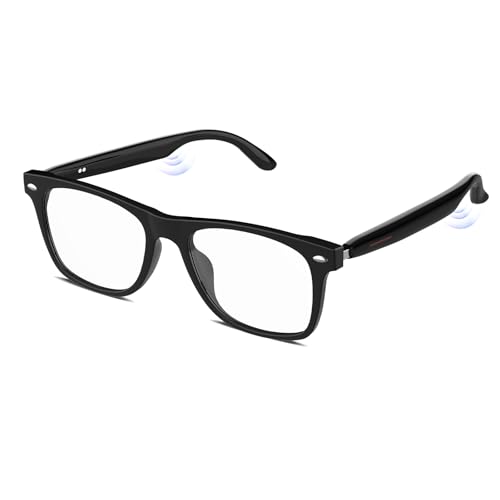
- Clear calls with noise reduction mic
- Lightweight 33 g frame
- Blue light filtering for work use
Best For: budget buyers who want simple calling glasses for daily use
Most Versatile Calling Glasses

- Bluetooth calls with dual-mic ENC
- Open-ear 4-speaker audio design
- 165+ language real-time translation
Best For: people who want phone calls plus camera and AI features
Lightest Daily Wear Pick

- Open-ear speakers for calls and music
- Photochromic lenses auto-adjust
- 164-language translation support
Best For: users who want lightweight calling glasses for travel and daily wear
Everyday Call Glasses

- Bluetooth 6.0 for calls and music
- Open-ear design for situational awareness
- IPX5 waterproof with photochromic lenses
Best For: People who want simple call glasses for daily wear
AI Productivity Glasses

- Hands-free calls with Bluetooth 5.4
- Translates over 160 languages in real time
- AI meeting assistant creates text and mind maps
Best For: Frequent callers who want AI and translation features
Runner-Up – OHO Smart AI Glasses with Bluetooth Audio
If you want smart glasses for phone calls that are light enough for all-day wear, this OHO pair is built around comfort and practical call handling. The Bluetooth audio, hands-free calling, and open-use design make it a straightforward choice for commuting, driving, and general daily use.
Best For: Drivers, commuters, and active users who want lightweight smart glasses with reliable calling and long battery life.
Pros:
- Built-in Bluetooth audio supports stable hands-free calls and music.
- Up to 10 hours of continuous use helps reduce charging interruptions.
- Ultra-light frame with sweat and splash resistance suits daily wear.
- Photochromic 2.0mm PC lenses add eye comfort and impact resistance.
Cons:
- No camera or display features for users wanting extra smart functions.
- Audio-focused design may not satisfy buyers who want advanced media controls.
This model is a strong practical pick if calling quality, comfort, and battery life matter more than bells and whistles. The AI voice and real-time translation features add extra utility for travel and business, but the overall appeal stays centered on simple, usable smart audio.
Style Pick – XO Smart Bluetooth Sunglasses with Mic and Speakers
For buyers focused on smart glasses for phone calls with a sunglasses style, the XO model keeps things simple and wearable. It combines built-in mic and speakers, voice control, and a lightweight frame, making it easy to use for calls, music, and outdoor wear.
Best For: Men and women who want lightweight smart sunglasses with easy hands-free calling and basic voice control.
Pros:
- Hidden microphone and dual speakers support hands-free calls.
- Lightweight, flexible frame is designed for comfortable all-day wear.
- One-button controls make calls, music, and voice assistant use simple.
- UV400 lenses add full-protection sunglasses functionality.
Cons:
- Not water resistant, so it is less suited for wet conditions.
- Eight-hour playback is solid, but not class-leading.
This is a good choice if you want call-capable smart glasses that look and feel like regular sunglasses. The easy controls and 200-hour standby time are especially appealing for casual everyday use and travel.
Premium Feature Pick – AI Smart Glasses with 8MP Camera and BT Call
If you want smart glasses for phone calls plus advanced extras, this Hugur pair goes well beyond basic audio. It adds Bluetooth calling, dual microphones, AI voice features, and even an 8MP camera, so it works well for users who want more than simple hands-free communication.
Best For: Users who want call-ready smart glasses with camera, translation, and AI features in one frame.
Pros:
- Bluetooth calling with open-ear audio keeps conversations clear and awareness high.
- Dual mics, AI voice assistant, and app-based translation add smart functionality.
- 8MP camera with EIS supports 2K photos and stable 1080P video.
- Photochromic UV400 lenses and lightweight frame suit all-day wear.
Cons:
- Video recording clips are limited to up to 12 minutes each.
- More features may be unnecessary if you only need basic calling.
This is the most feature-rich option in the group, especially for travel, content capture, and language support. If your priority is phone calls but you also want camera and AI tools, it offers a lot in a single wearable.
Best Value – Bluetooth Audio Smart Glasses with Open Ear Speaker
For smart glasses for phone calls on a tighter budget, this Jacuate model covers the essentials: open-ear audio, built-in microphone, voice control, and lightweight wear. It is aimed at everyday convenience for office work, driving, sports, and online meetings.
Best For: Budget-minded users who want lightweight smart glasses for calls, meetings, and casual audio.
Pros:
- High-sensitivity mic and noise reduction help calls sound clearer.
- Open-ear speaker design keeps you aware of your surroundings.
- Automatic wear detection and quick reconnect features add convenience.
- Light 33 g frame is easy to wear for long stretches.
Cons:
- Battery life is only 4-6 hours of playback, so frequent users may need to recharge often.
- Not water resistant, which limits outdoor use in wet conditions.
This is a practical everyday option if your main goal is clear calls without spending on premium extras. The combination of simple controls, lightweight comfort, and blue light filtering makes it especially useful for work and screen-heavy routines.
Most Versatile Calling Glasses – Camera, Translation & Calls
If you want smart glasses for phone calls that do more than just handle audio, this iONCT pair leans hard into multitasking. It combines Bluetooth calling with open-ear speakers, dual-mic ENC, AI assistance, and even camera features for hands-free capture and recognition, making it a flexible pick for everyday use and travel.
Best For: Users who want calling glasses with built-in translation, voice assistant support, and a hands-free camera.
Pros:
- Bluetooth calls with dual-mic ENC help reduce background noise for clearer conversations.
- Open-ear 4-speaker design keeps you aware of your surroundings while talking or listening.
- Built-in AI assistant and real-time translation support over 165 languages.
- Includes 8MP camera features for photo capture and 4K video recording.
Cons:
- Video recording time is limited to 80 minutes per full charge.
- Heavier feature set may be more than needed if you only want basic calling.
- Best suited to phone-connected use rather than standalone operation.
This is the most feature-packed option in the group, especially if your phone calls often overlap with travel, note-taking, or translation needs. If you want one frame that can cover communication, media, and capture, it stands out.
Best for Easy Everyday Use – Adjustable Tint & Calls
For smart glasses for phone calls with a more everyday wearable feel, this REABELL model focuses on easy audio control and adjustable lenses. The open-ear Bluetooth design supports hands-free calling, while the touch controls make answering, hanging up, and assistant access straightforward from the frame itself.
Best For: Buyers who want phone-call glasses with tint adjustment and simple touch-and-voice controls.
Pros:
- Touch controls let you answer, hang up, play, pause, and wake the voice assistant.
- Open-ear Bluetooth speakers support hands-free calls without blocking outside sound.
- Adjustable tint offers 4 brightness levels instead of fixed lens darkness.
- AI translation supports 164 languages through the paired smartphone app.
Cons:
- Battery life is modest at 4-6 hours of playback.
- Not water resistant.
- Translation depends on the app and phone connection.
This pair makes the most sense if you want a practical calling wearable with lens flexibility built in. It is less about maximum battery or extras and more about keeping everyday controls quick and simple.
Lightest Daily Wear Pick – Photochromic Audio Model
If your priority is smart glasses for phone calls with a lighter, more streamlined design, this MNVOEQ pair keeps the focus on audio and comfort. It combines Bluetooth music and hands-free calling with open-ear speakers, photochromic lenses, and 164-language translation for users who want a wearable that works across travel, work, and sports.
Best For: Shoppers who want lightweight calling glasses with auto-tint lenses and travel-friendly translation.
Pros:
- Dual open-ear speakers support clear music playback and hands-free calls.
- Photochromic lenses automatically adjust indoors and outdoors.
- 164-language translation makes it useful for multilingual conversations.
- 170mAh battery is designed to keep the frame lightweight and wearable.
Cons:
- Battery life is listed at about 5 hours.
- No display, so everything runs through audio and the phone app.
- Best for basic calling and translation rather than camera-style features.
This is a strong pick if you want a comfortable, low-burden frame that handles calls without earbuds. It is the most balanced choice here for users who care about everyday wearability as much as connected features.
Translation Call Glasses – 165 Languages with Call Support
If you want smart glasses for phone calls that also do far more than basic audio, this pair is built around translation, meeting capture, and everyday hands-free use. The open-ear Bluetooth design lets you take calls, listen to music, and use voice controls without reaching for your phone, while the photochromic lenses add practical eye protection indoors and outdoors.
Best For: People who want call-ready smart glasses with translation, meeting summaries, and all-day wearability.
Pros:
- Supports hands-free calls with touch controls for answering, hanging up, and voice assistant use
- Real-time translation for 165 languages, including face-to-face, video call, and photo translation modes
- Photochromic lenses help adjust to changing light and add UV and blue light protection
- Lightweight 33g build with dual batteries and magnetic charging for all-day use
Cons:
- No camera included
- Battery charging requires both temples to be powered and charged correctly
- More feature-heavy than a simple call-only audio glasses model
Overall, this is a strong pick if you want call-focused smart glasses with extra productivity tools. The translation and meeting features make it especially appealing for work, travel, and study, as long as you value those extras enough to justify the added complexity.
Everyday Call Glasses – Photochromic Bluetooth Audio
These smart glasses for phone calls focus on simple, everyday audio with a lightweight open-ear design. Bluetooth 6.0 supports quick pairing and stable connection for calls and music, while the photochromic lenses help them shift naturally between indoor and outdoor use.
Best For: Shoppers who want easy-to-wear Bluetooth glasses for calls, music, and outdoor comfort.
Pros:
- Bluetooth 6.0 for quick pairing and stable call audio
- Open-ear speaker design keeps you aware of surroundings during calls
- Photochromic lenses darken in sunlight and stay clear indoors
- IPX5 waterproof rating helps with sweat, light rain, and active use
Cons:
- Battery life is limited to about 4-6 hours
- No translation or AI meeting features
- Primarily an audio-first product, not a full smart assistant platform
This model makes sense if you mainly want a straightforward pair of call-capable smart glasses. It keeps the feature set practical and lightweight, but it is best viewed as an audio accessory rather than a multi-purpose productivity device.
AI Productivity Glasses – ChatGPT Audio Pair for Calls
If you want smart glasses for phone calls with more of a productivity angle, this model combines Bluetooth audio, AI tools, and translation features in one frame. It supports hands-free calls and music, while the AI assistant and meeting functions add useful extras for work, travel, or frequent conversations.
Best For: Buyers who want call glasses with AI assistance, translation, and longer talk time.
Pros:
- Hands-free calls plus Bluetooth open-back audio for music and voice use
- Real-time translation for over 160 languages
- AI meeting assistant can convert recordings to text and generate mind maps
- Up to 8 hours of talk time and Bluetooth 5.4 for stable connection
Cons:
- Not water resistant
- No display included
- More dependent on AI features if you want the full value
This is the most feature-rich option in the group for users who care about calls plus productivity. The longer talk time and translation support make it a strong fit for regular communication, though it is less about rugged everyday protection than the other models.
How We Picked the Best Smart Glasses for Phone Calls
We focused on call quality first, then narrowed the list by comfort, battery life, lens design, and real-world usability. For Smart Glasses for Phone Calls, the best models balance clear voice pickup, open-ear listening, and a stable fit you can wear for long stretches.
We also looked for useful extras that improve everyday value, such as blue light filtering, photochromic or color-change lenses, IPX5-style water resistance, and translation or camera features for users who want more than basic audio.
Quick Comparison: What Matters Most
Not every pair is built for the same use case. Some prioritize simple Bluetooth audio and lightweight wear, while others add AI tools, recording, or multilingual translation. If your main goal is calls, choose a model with strong microphone performance and open-ear speakers. If you also want a travel or work companion, consider smarter features like meeting notes, translation, or camera support.
Best for Simple Daily Calling
Look for a lighter frame, easy Bluetooth pairing, and a battery that can handle a full day of intermittent calls.
Best for Work and Travel
Choose models with translation, voice controls, or hands-free assistant features if you take calls across languages or on the move.
Key Buying Factors for Smart Glasses for Phone Calls
Audio clarity: Open-ear speakers should be loud enough for indoor and outdoor use without making calls sound hollow.
Microphone pickup: Dual microphones, noise reduction, or AI voice processing can make a big difference in busy environments.
Fit and comfort: Since you may wear them for hours, check frame weight, temple pressure, and nose bridge comfort.
Lens type: Photochromic, color-change, or blue light blocking lenses can make the glasses more versatile for daytime use and screen-heavy work.
Battery and charging: Longer battery life matters if you use the glasses for frequent calls, commuting, or meetings.
Weather resistance: If you plan to wear them outside or while exercising, splash resistance and sweat tolerance are worth prioritizing.
Who Should Buy Which Smart Glasses for Phone Calls?
If you want the simplest experience, pick a basic Bluetooth audio pair designed mainly for calls and music. If you split time between calls, commuting, and screen work, a model with blue light protection or photochromic lenses is a smarter buy. Travelers, multilingual users, and remote workers may benefit most from AI-enabled smart glasses with translation or meeting tools. If you want one device for entertainment and communication, choose a feature-rich pair that still keeps call performance as the top priority.
In short, the best Smart Glasses for Phone Calls are the ones that match your daily routine—not just the longest feature list.