Choosing one of the best telescopes for beginners can feel overwhelming, but it does not have to be. The right first scope should be easy to set up, stable enough to use, and simple to aim.
In this roundup, we focus on beginner-friendly models that prioritize portability, usable optics, and a smoother learning curve for kids, families, and adults starting astronomy.
Best 10 Telescopes for Beginners Picks for 2026
Quick-Start Refractor

- 70mm refractor with 400mm focal length
- Includes phone adapter, remote, and carry bag
- Comes with 2 eyepieces, Barlow lens, and finder scope
Best For: Kids, first-time stargazers, and travel-friendly beginners
Portable First Scope

- 70mm refractor with fully coated glass lenses
- No-tool setup with backpack included
- Includes 2 eyepieces and Starry Night software
Best For: Beginners who want a lightweight, easy-pack starter scope
High-Image Starter Refractor
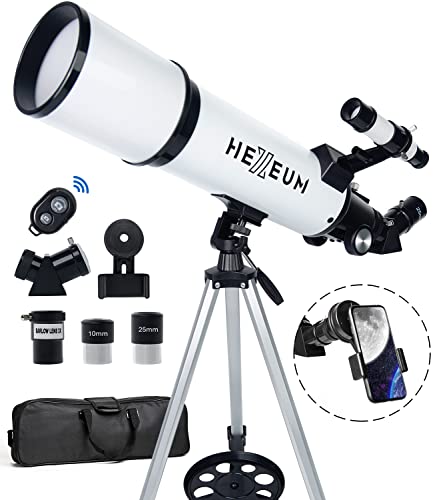
- 80mm aperture with 600mm focal length
- Includes phone adapter, remote, and carry bag
- No-tool setup with 3x Barlow lens
Best For: New observers wanting a brighter starter scope with extras
Family Discovery Scope
ECOOPRO 70mm Beginner Telescope
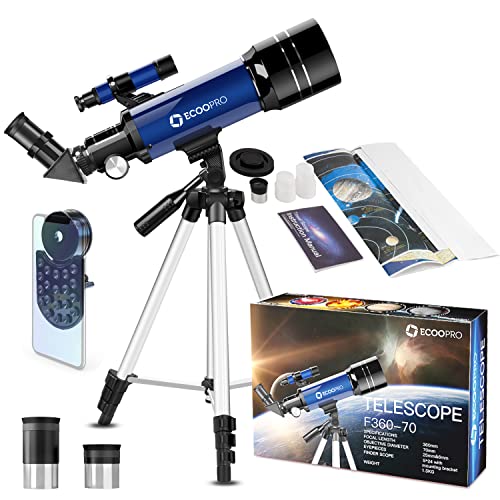
- 70mm aperture with fully multi-coated optics
- Quick no-tools setup with 2 eyepieces
- Works for astronomy and daytime viewing
Best For: Kids, families, and beginners wanting an all-around starter scope
Compact Starter Scope
Koolpte 70mm/500mm AZ Refractor

- 70mm aperture with 500mm focal length
- Includes 2 eyepieces, 3x Barlow, and finderscope
- Phone adapter, remote, tripod, and case included
Best For: Kids and first-time observers who want a portable starter kit
Simple Moon-Viewer Pick
EACONN 70mm/400mm Travel Telescope

- 70mm aperture with fully coated optics
- 20x to 32x magnification from two eyepieces
- Includes phone adapter, viewfinder, and tripod
Best For: Casual beginners who want a simple moon-and-landscape telescope
Kid-Friendly Starter Scope
Dianfan 80mm 500mm Portable Refractor

- 80mm aperture with fully multi-coated optics.
- 20x to 150x magnification via eyepieces and 3x Barlow.
- Includes backpack, tripod, phone adapter, and stickers.
Best For: Kids and first-time users who want an easy portable starter scope.
All-Around Beginner Refractor

- 70mm aperture with FMC optical glass for clearer views.
- 15x to 150x magnification plus phone adapter and tripod.
- No-tools setup and a star chart make it beginner-friendly.
Best For: Beginners who want an easy travel-ready telescope for Moon and planets.
Portable Moon-Viewing Scope
Celticbird 80mm 600mm Refractor

- 80mm aperture with 600mm focal length for brighter views.
- Includes moon filter, phone adapter, backpack, and tripod.
- Easy no-tools assembly for beginners and kids.
Best For: Beginners who want a portable refractor for Moon and planet viewing.
Quick-Start Refractor – Gskyer 70mm Travel Telescope
If you want one of the most approachable telescopes for beginners, this 70mm refractor keeps things simple with a lightweight AZ mount, two eyepieces, and a 3x Barlow lens. The included phone adapter and wireless remote make it easy to try basic astrophotography, while the carry bag helps keep everything organized for travel or storage.
Best For: Kids, first-time stargazers, and families who want a portable starter scope with phone-adapted viewing.
Pros:
- 70mm aperture and 400mm focal length for moon and star viewing
- Includes two eyepieces, a 3x Barlow lens, and a 5×24 finder scope
- Phone adapter and wireless remote support easy image capture
- Adjustable aluminum tripod and carry bag improve portability
Cons:
- Manual focusing and altazimuth tracking require hands-on adjustment
- Designed as a starter scope, so it is not a high-end deep-sky setup
This is a practical grab-and-go option if you value convenience, simple setup, and a beginner-friendly feature set over advanced performance.
Portable First Scope – Celestron Travel Scope 70
For telescopes for beginners, this compact 70mm refractor stands out for its fast setup and practical accessories. It uses fully coated glass lenses, includes two eyepieces, and packs into a backpack, making it a good choice for users who want simple lunar, planetary, and daytime viewing without a complicated build.
Best For: Beginners who want a lightweight, easy-to-pack telescope for quick sessions at home or on the go.
Pros:
- 70mm aperture with fully coated glass for bright, sharp views
- No-tool setup and preassembled mount/tripod help you start quickly
- Includes 20mm and 10mm eyepieces plus a 5×24 finderscope
- Backpack and Starry Night software add value for new users
Cons:
- Manual focus and basic altazimuth mounting keep it entry-level
- Best suited to casual viewing rather than advanced observation
Its strongest appeal is convenience: it is easy to carry, easy to set up, and built to help new observers get usable views right away.
High-Image Starter Refractor – Koolpte 80mm AZ Telescope
This 80mm refractor is a strong pick among telescopes for beginners who want a bit more light-gathering than a 70mm model. It pairs a 600mm focal length with fully coated optics, includes a phone adapter and wireless remote, and comes with a carry bag and adjustable tripod for easier transport and setup.
Best For: New observers who want a brighter starter scope with extra accessories for viewing and phone photos.
Pros:
- 80mm aperture and 600mm focal length for stronger light capture
- Includes 25mm and 10mm eyepieces plus a 3x Barlow lens
- Phone adapter, wireless remote, and carry bag add convenience
- No-tool setup makes it beginner-friendly
Cons:
- Manual focus means observing still requires hands-on adjustment
- As a refractor starter package, it is geared more toward ease than advanced power
If you want a beginner scope that feels a little more substantial without getting overly complex, this package offers a solid mix of aperture, portability, and accessories.
Family Discovery Scope – ECOOPRO 70mm Beginner Telescope
This 70mm refractor is aimed at families and new users who want a simple, versatile starting point. It offers fully multi-coated optics, two eyepieces, a 5×24 finderscope, and a quick no-tools setup, so it is easy to move from unboxing to observing the moon, birds, or scenery.
Best For: Kids, families, and beginners who want a lightweight all-around starter telescope for day and night use.
Pros:
- 70mm aperture with fully multi-coated optical glass
- Two eyepieces provide a useful magnification range for beginners
- No-tools quick-release design supports fast setup
- Works for astronomy, birding, wildlife, and landscape viewing
Cons:
- Manual altazimuth design keeps operation fully hands-on
- Best for entry-level use rather than more advanced observing needs
This is a straightforward choice if you want a beginner telescope that is easy to understand, easy to assemble, and flexible enough for both skywatching and daytime exploration.
Compact Starter Scope – Koolpte 70mm/500mm AZ Refractor
If you’re shopping for telescopes for beginners, this 70mm refractor keeps the setup approachable while still giving you useful reach for the Moon and landscapes. The 500mm focal length, included 25mm and 10mm eyepieces, and 3x Barlow lens give new users a flexible way to experiment without making the kit feel complicated.
Best For: Kids, first-time observers, and families who want a portable starter telescope with extra accessories.
Pros:
- 70mm aperture and 500mm focal length offer a solid beginner-friendly viewing setup.
- Includes two eyepieces, a 3x Barlow lens, and a 5×24 finderscope for easier object locating.
- Comes with a phone adapter, adjustable aluminum tripod, wireless remote, and carrying case.
- Portable design is handy for travel and casual backyard observing.
Cons:
- Manual focus and altazimuth mount are simple, but not as refined as higher-end setups.
- Best suited to Moon and landscape viewing rather than advanced deep-sky use.
Overall, this is a practical entry point for beginners who want a lightweight telescope with helpful accessories and easy portability. It’s especially appealing if you value convenience and a low-friction first astronomy experience.
Travel-Friendly Beginner Choice – EACONN 80mm/600mm Refractor
Among telescopes for beginners, this 80mm refractor stands out for combining a larger aperture with a travel-ready package. The 600mm focal length, fully coated optics, and included 20mm and 9mm eyepieces are aimed at giving newcomers brighter, clearer views without adding a steep learning curve.
Best For: Beginners and families who want a more capable starter telescope that’s still easy to pack and carry.
Pros:
- 80mm aperture and fully coated optics help capture more light for brighter images.
- Includes two eyepieces, a 5×24 finderscope, and a smartphone adapter for easy use and imaging.
- Comes with an adjustable tripod, carrying bag, and backpack for transport.
- Detailed manual and video instructions make assembly easier for first-time users.
Cons:
- Manual focus and altazimuth mount mean you’ll still be learning basic telescope control.
- Its extra accessories may be more than some very casual users need.
This is a strong pick if you want a beginner telescope that feels a step up in light gathering while staying portable. It’s a good fit for moon viewing, simple planet spotting, bird watching, and family outings.
Simple Moon-Viewer Pick – EACONN 70mm/400mm Travel Telescope
If you want telescopes for beginners that keep things simple, this 70mm refractor is built for straightforward moon and landscape observing. Its 400mm focal length, fully coated glass optics, and 20x to 32x magnification range make it an easy starter option for families and kids.
Best For: Beginners who want an uncomplicated travel telescope for casual moon, scenery, and first astronomy sessions.
Pros:
- 70mm aperture and fully coated optics are designed to produce clear, sharp images.
- Two eyepieces provide 20x to 32x magnification for beginner-friendly viewing.
- Includes a 5×24 viewfinder, phone adapter, and adjustable aluminum tripod.
- Simple installation with no extra tools required.
Cons:
- 400mm focal length is shorter than some other beginner refractors.
- More basic accessory set than the better-equipped travel kits in this group.
This model makes sense if you want a low-stress first telescope for casual use at home or on the road. It focuses on easy setup and approachable magnification rather than a more feature-heavy experience.
Kid-Friendly Starter Scope – Dianfan 80mm 500mm Portable Refractor
If you’re comparing telescopes for beginners, this Dianfan refractor is built to keep setup simple while still offering enough aperture to show the Moon in real detail. The 80mm lens, fully multi-coated optics, and included 3x Barlow lens give it a useful range for new stargazers who want a portable option for backyard observing or travel.
Best For: Kids, families, and first-time users who want an easy-to-assemble starter telescope with a backpack and phone adapter.
Pros:
- 80mm aperture and 500mm focal length for brighter, clearer views.
- Includes two eyepieces plus a 3x Barlow lens for 20x to 150x magnification.
- Designed for quick setup, with an illustrated manual and beginner-friendly assembly.
- Comes with a phone adapter, backpack, tripod, and reusable stickers.
Cons:
- Manual focus means it is less automated than more advanced models.
- Best results are centered on the Moon, bright planets, and daytime nature views.
For a beginner telescope, this one balances portability, simple assembly, and a generous accessory bundle. It makes the most sense if you want an approachable scope that can travel easily and still give new observers a solid first look at the sky.
All-Around Beginner Refractor – 70mm 300mm Travel Telescope
This is a practical pick for telescopes for beginners who want a lightweight kit that works for both daytime and nighttime use. The 70mm aperture, FMC optics, and included 3x Barlow lens are aimed at giving new users clear views of the Moon, planets, and scenery without a complicated setup.
Best For: Beginners, kids, and families looking for a simple travel telescope with a phone adapter and tripod.
Pros:
- 70mm aperture with fully multi-coated optics for sharper images.
- 15x to 150x magnification with two eyepieces and a 3x Barlow lens.
- Includes a tripod, phone adapter, wireless camera remote, and star chart.
- Quick setup with no tools required, making it approachable for new users.
Cons:
- Manual focus may take some practice for precise viewing.
- The compact design is better suited to the Moon, bright planets, and everyday nature viewing than deep-sky observing.
As a beginner-friendly package, this telescope stands out for convenience and accessories rather than complexity. It is a sensible choice if you want an easy entry point into astronomy with enough flexibility for trips and backyard sessions.
Portable Moon-Viewing Scope – Celticbird 80mm 600mm Refractor
For shoppers browsing telescopes for beginners, this Celticbird model offers a larger 80mm aperture and a 600mm focal length, which can help pull in more light for brighter views. It is set up as a portable refractor with a backpack, adjustable tripod, phone adapter, and moon filter, so it fits well as a starter scope for home or travel.
Best For: Beginners and families who want a portable refractor with a moon filter and simple assembly.
Pros:
- 80mm aperture and 600mm focal length for brighter, clearer images.
- Includes two eyepieces for 30x and 66x magnification.
- Comes with a moon filter, phone adapter, backpack, and adjustable tripod.
- Designed for easy assembly with no tools required.
Cons:
- Manual focus means viewing adjustments are done by hand.
- The included eyepieces focus mainly on the Moon and bright planets.
This is a strong starter option if your main goal is learning the sky through Moon and planet viewing. The added moon filter and travel-friendly bundle make it especially practical for beginners who want a simple setup with useful accessories.
How We Picked the Best Telescopes for Beginners
For this list of Telescopes for Beginners, we looked for models that are practical for first-time users rather than advanced observers. The main factors were aperture, focal length, mount stability, portability, included accessories, and overall ease of setup.
We also favored telescopes that can handle common starter targets such as the Moon, Jupiter, Saturn, bright star clusters, and basic terrestrial viewing.
Quick Comparison
Smaller 70mm refractors are usually the easiest to carry and set up, making them a good match for casual use and younger users. 80mm options generally offer a brighter, more detailed view and can be a better long-term choice if you want a little more performance without jumping into a bulky setup.
Shorter focal-length scopes are typically more compact, while longer focal-length models can be easier for beginners to use at lower magnifications. A solid AZ mount is often the simplest and most intuitive choice for first-time stargazers.
Key Buying Factors for Telescopes for Beginners
Aperture
Aperture determines how much light the telescope collects. For beginners, 70mm is a solid entry point, while 80mm gives you a noticeable step up in brightness and detail.
Mount Type
Alt-azimuth mounts are usually best for beginners because they move up/down and left/right like a camera tripod. They are easier to learn than equatorial mounts and help reduce frustration during setup.
Portability
If you plan to take the telescope to a backyard, park, or campsite, choose a lighter model with a carry bag or backpack. Portability matters because a telescope that is easy to move gets used more often.
Magnification Claims
Do not rely on the highest advertised magnification alone. Real-world viewing quality depends more on aperture, optics, and mount stability than on extreme zoom numbers.
Accessories
Look for useful starter extras such as a smartphone adapter, extra eyepieces, a finder scope, or a diagonal. These can make a first telescope much easier to enjoy right away.
Who Should Buy Which Telescopes for Beginners?
If you want the easiest possible start, a 70mm travel-friendly refractor is a smart choice for kids, families, and casual use. If you want a better view of the Moon and brighter deep-sky objects, an 80mm model is worth considering.
Buyers who value convenience should lean toward compact scopes with backpacks or carry cases. If your goal is to keep one telescope for longer-term use, choose the model with the steadiest mount and the best optics you can afford.
For most first-time buyers, the best Telescopes for Beginners are the ones that balance simple operation with enough optical performance to stay interesting as your skills improve.