A drone camera with obstacle avoidance can make aerial photography easier, safer, and more enjoyable, especially when you are learning to fly or filming in cluttered environments.
This roundup compares 10 options across video quality, flight assistance, portability, control systems, and overall value so you can choose a model that fits your experience and shooting goals.
Best 10 Drone Camera with Obstacle Avoidance Picks for 2026
Feature-Rich Travel Pick

- 360° obstacle sensing with Smart Return to Home
- 4K/60fps HDR video and 48MP photos
- Under 249g with touchscreen controller and three batteries
Best For: Travelers and outdoor creators wanting long sessions and an integrated screen
Premium Compact Pick

- 1-inch CMOS sensor with 4K/60fps HDR video
- Omnidirectional obstacle sensing with forward LiDAR
- ActiveTrack 360° and 225° gimbal rotation
Best For: Creators prioritizing image quality, tracking, and portability
Immersive FPV Pick

- 8K 360° video captures every angle for later reframing
- Omnidirectional obstacle avoidance with binocular vision
- Immersive goggles with a 90° field of view
Best For: FPV pilots and creators pursuing immersive 360° footage
Beginner Value Pick
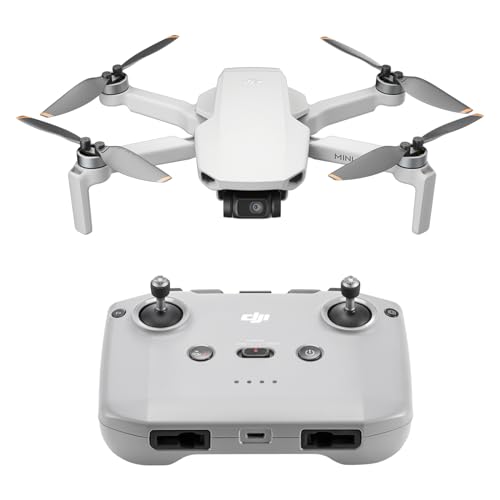
- 4K video with a 3-axis gimbal
- Under 249g with GPS Return to Home
- Beginner-friendly controls and QuickShots
Best For: New pilots seeking simple, portable 4K aerial photography
Best Beginner GPS Pick

- 360° obstacle detection
- 4K gimbal-stabilized video
- GPS Auto Return and Follow Me
Best For: Beginners seeking assisted outdoor flights and stabilized footage
Best Portable Budget Option

- Four-way obstacle sensing
- Two batteries, up to 30 minutes total
- Foldable under-249g design
Best For: Beginners and travelers wanting a compact practice drone
GPS Beginner Pick
GPS Camera Drone with 4.5-Inch Screen

- 4.5-inch screen
- Brushless motors
- GPS camera-drone design
Best For: Beginners wanting a large-screen GPS camera drone
Screen-Controlled Safety Pick
Foldable FPV Drone with 270° Avoidance

- 270° obstacle sensing
- 2.8-inch controller display
- Foldable under-250g design
Best For: Beginners wanting screen-based FPV and compact safety features
Family FPV Pick
LCD-Screen Drone with 270° Avoidance

- 270° obstacle avoidance
- 2.8-inch live-video screen
- Beginner-friendly flight modes
Best For: Families and beginners wanting simple screen-based FPV flying
Feature-Rich Travel Pick – SKYROVER X1
If you want a drone camera with obstacle avoidance for travel and outdoor filming, the SKYROVER X1 combines 360° sensing with a compact under-249g design. Its 4K/60fps HDR video, 48MP stills, touchscreen controller, and three-battery bundle make it geared toward creators who want capable hardware without carrying a separate phone-based setup.
Best For: Travelers, hikers, and content creators who want long flight time, an integrated screen, and flexible shooting modes.
Pros:
- 360° obstacle sensing and Smart Return to Home support more confident flying.
- 4K/60fps HDR video, 48MP photos, and 3-axis gimbal stabilization support polished footage.
- Includes a 5.5-inch, 700-nit touchscreen controller and up to 96 minutes with three batteries.
- Under-249g body, AI tracking modes, vertical shooting, and up to 9.32-mile transmission expand its travel utility.
Cons:
- The extensive feature set may be more than casual beginners need.
- The listed 96-minute flight time depends on using all three batteries rather than a single flight.
The X1 stands out as an all-around option for users who prioritize convenience and creative flexibility. Its integrated display and obstacle sensing reduce setup friction, while the camera and extended battery bundle support longer outdoor sessions.
Premium Compact Pick – DJI Mini 5 Pro
For shoppers seeking a premium drone camera with obstacle avoidance, the DJI Mini 5 Pro pairs a 1-inch CMOS sensor with omnidirectional sensing and advanced subject tracking. The Fly More Combo adds three batteries, a charging hub, ND filters, and the DJI RC 2 controller for a more complete filming kit.
Best For: Creators who want high-quality HDR footage, advanced tracking, and a compact foldable drone.
Pros:
- 1-inch CMOS sensor captures 4K/60fps HDR video and 50MP stills.
- Omnidirectional obstacle sensing includes forward LiDAR and vision sensors for added awareness.
- ActiveTrack 360° and a 225° flexible gimbal support dynamic subject tracking and true vertical filming.
- Combo includes three batteries, ND filters, a charging hub, and a dedicated DJI RC 2 controller.
Cons:
- The listed weight is approximately 249.9g and may vary, so users should verify applicable regulations.
- The DJI Fly app must be downloaded from DJI rather than Google Play on compatible Android devices.
- Night flying may require permits depending on local rules.
The Mini 5 Pro is the most camera-focused option in this group, with a larger sensor and sophisticated tracking system. It is a strong fit for experienced buyers who value image quality and creative controls in a highly portable package.
Immersive FPV Pick – Antigravity A1 Explorer
The Antigravity A1 takes a different approach to a drone camera with obstacle avoidance, combining 360° video capture with an immersive FPV-style viewing experience. Its omnidirectional sensing, point-to-fly controls, and 8K camera are designed for pilots who want to capture the entire scene and reframe it later.
Best For: FPV enthusiasts and adventurous creators who want immersive 360° footage rather than conventional forward-facing shots.
Pros:
- Captures 8K 360° video so footage can be reframed after the flight.
- Omnidirectional obstacle avoidance combines 360° sensing with front and downward binocular vision.
- Vision Goggles offer a 90° field of view with dual 1-inch Micro-OLED displays.
- FreeMotion point-to-fly controls, Sky Genie maneuvers, Deep Track, and AI editing add creative options.
Cons:
- The supplied product weight is listed as 2.27 kg, so buyers should confirm the configuration and applicable regulations.
- Its immersive FPV workflow may have a steeper learning curve than a conventional camera drone.
- High-capacity battery use changes the aircraft from its under-249g configuration.
The A1 is best understood as a specialized creative platform rather than a standard travel camera drone. Its 360° capture and goggles make it compelling for immersive footage, while obstacle sensing and automated maneuvers add support for more adventurous flying.
Beginner Value Pick – DJI Mini 4K
The DJI Mini 4K is a straightforward drone camera with obstacle avoidance alternative for beginners who mainly want stabilized 4K footage and easy flight controls. Although the supplied notes do not list obstacle avoidance, it includes GPS Return to Home, stable hovering, one-touch operation, and a lightweight under-249g design.
Best For: First-time pilots who want an affordable, portable 4K drone with simple controls and extended-battery bundle options.
Pros:
- 4K video and a 3-axis gimbal support stabilized, cinematic-looking footage.
- Under-249g weight, GPS Return to Home, stable hovering, and one-touch takeoff and landing suit beginners.
- Level 5 wind resistance and brushless motors support stable outdoor operation.
- QuickShots automate Helix, Dronie, Rocket, Circle, and Boomerang clips.
Cons:
- The supplied features do not include obstacle avoidance, so it is not the best match for buyers requiring that function.
- The base configuration includes one battery; longer flight totals require selecting a multi-battery set.
- The DJI Fly app must be downloaded from DJI rather than Google Play on compatible Android devices.
The Mini 4K is a sensible entry point for users who value ease of use and stabilized 4K video over advanced sensing. Choose it for basic aerial photography and learning to fly, but consider another model in this roundup if obstacle avoidance is essential.
Best Beginner GPS Pick – DCX EZ Pro 4K Drone
The DCX EZ Pro is a practical drone camera with obstacle avoidance for beginners who want stabilized 4K footage and automated flight assistance. GPS Auto Return, Follow Me, night vision, and a 360° obstacle-detection system support more confident outdoor flying.
Best For: Beginners and adults who prioritize GPS features, steady footage, and easier recovery during outdoor flights.
Pros:
- 360° obstacle detection helps reduce collision risks in tight spaces.
- 4K camera, brushless 3-axis gimbal, and electronic stabilization support smoother footage.
- GPS Auto Return and Follow Me simplify longer or more scenic flights.
- Night vision and an LED spotlight support day-and-night recording.
Cons:
- The notes do not specify a numeric flight time or control range.
- Its adult-oriented design and feature set may be more than casual indoor flyers need.
Choose this model if automated GPS functions and stabilized 4K video matter more than having the lightest possible travel drone. Its beginner skill rating and U.S.-based support add practical reassurance for new pilots.
Best Premium 360° Camera – DJI Avata 360
The DJI Avata 360 is a premium drone camera with obstacle avoidance built for creators who want flexible reframing from a single flight. Its 1-inch-equivalent imaging, 8K/60fps HDR 360° video, omnidirectional sensing, and included RC 2 controller make it the most advanced option in this group.
Best For: Experienced creators who want high-resolution 360° capture, long-range transmission, and multiple framing options in post-production.
Pros:
- 8K/60fps HDR 360° video provides ample resolution for cropped and reframed shots.
- Omnidirectional obstacle sensing and an integrated propeller guard add flight protection.
- 360° and Single Lens modes support both immersive and conventional aerial filming.
- O4+ transmission supports 1080p/60fps video transmission and a stated range of up to 20 km.
Cons:
- Its advanced 360° workflow may be excessive for users who only need straightforward aerial video.
- The DJI Fly app must be downloaded from DJI’s official website rather than Google Play.
This is the strongest choice for creative flexibility and image quality, but its feature-rich platform is better suited to users comfortable with advanced capture and editing workflows. The included RC 2 provides a built-in screen for direct control.
Best Portable Budget Option – H16 Power 4K Drone
The H16 Power is a compact drone camera with obstacle avoidance aimed at beginners, travelers, and casual outdoor users. Four-way sensing, optical-flow hovering, a tilting camera, two batteries, and a foldable carrying case make it a convenient starting point for practice flights and everyday aerial exploration.
Best For: Beginners who want an under-249g foldable drone with basic obstacle sensing, phone-based FPV, and extra battery time.
Pros:
- Front, rear, left, and right sensors can detect larger nearby objects in daylight.
- Two batteries provide up to 30 minutes total in calm conditions.
- Under-249g foldable design and carrying case suit travel and casual outings.
- Brushless motor, optical-flow hover, gesture photos, and custom flight paths expand beginner-friendly features.
Cons:
- Sensors may not detect thin branches, wires, or glass.
- Wi-Fi FPV depends on a phone and is intended for open areas with little wind.
- The supplied details list 720p video capture resolution despite the product title referencing 4K.
This model makes sense when portability and approachable controls are priorities. Its obstacle avoidance is useful but limited, so pilots should still choose open spaces and maintain visual awareness, particularly around small or hard-to-see obstacles.
GPS Beginner Pick – GPS Camera Drone with 4.5-Inch Screen
If you are comparing a drone camera with obstacle avoidance, this GPS-equipped model is positioned as a beginner-friendly option with a built-in 4.5-inch screen and brushless motors. However, the supplied product information does not specify obstacle-avoidance capabilities, camera resolution, flight modes, battery life, or GPS functions in enough detail to verify those features.
Best For: Beginners who want a large-screen GPS camera drone and are willing to confirm the detailed specifications before buying.
Pros:
- Includes a 4.5-inch screen.
- Uses brushless motors.
- Designed for adult beginners.
Cons:
- The supplied details do not confirm obstacle avoidance.
- Camera capabilities and GPS features are not fully specified.
This drone may suit shoppers prioritizing a larger viewing screen and brushless-motor design, but buyers specifically seeking obstacle avoidance should verify the listing carefully before purchasing.
Screen-Controlled Safety Pick – Foldable FPV Drone with 270° Avoidance
For shoppers seeking a drone camera with obstacle avoidance, the TT19LCD combines a 270° sensing system with an FPV HD camera and a built-in 2.8-inch controller display. Its optical-flow camera supports hovering, while the foldable, under-250-gram design keeps it practical for beginners and travel.
Best For: Beginners and adults who want screen-based FPV flying, obstacle sensing, and a compact travel drone.
Pros:
- 270° obstacle avoidance detects objects ahead and on both sides.
- Built-in 2.8-inch display allows FPV viewing without a smartphone.
- 90° remotely adjustable FPV camera and optical-flow positioning camera.
- Foldable, under-250-gram design with brushless motors and propeller guards.
Cons:
- Controller storage supports TF cards up to 32GB, limiting expansion.
- The supplied notes describe an HD camera but do not specify a 4K resolution.
This is a well-rounded beginner option for users who value built-in viewing and added crash awareness. Its screen, obstacle sensing, protective guards, and compact build make it especially convenient for indoor practice and travel.
Family FPV Pick – LCD-Screen Drone with 270° Avoidance
This drone camera with obstacle avoidance is built around simple family flying: the controller has a 2.8-inch display, the drone offers 270° obstacle detection, and the FPV camera includes a remotely adjustable 90° lens. Optical-flow positioning, one-key controls, and a foldable design add convenience for beginners, children, and casual travelers.
Best For: Families, beginners, and gift buyers looking for an easy-to-use FPV drone with an integrated screen.
Pros:
- 270° obstacle avoidance helps reduce collision risks.
- 2.8-inch LCD controller provides live video without using a smartphone.
- Includes optical-flow positioning and a 90° electrically adjustable lens.
- Supports flips, route flying, headless mode, three speeds, and one-key takeoff/landing.
Cons:
- The product is not described as having a 4K camera.
- Storage expansion is limited to 32GB.
- The supplied notes do not state flight time or charging time.
Compared with basic toy-style models, this version offers a useful combination of obstacle sensing, screen-based FPV, and automated flight controls. It is a practical choice for approachable recreational flying, though buyers should not expect specified 4K video.
How We Picked the Best Drone Camera with Obstacle Avoidance
We compared these drones by looking at the features that matter most in real-world use: camera resolution, stabilization, obstacle sensing, GPS support, return-to-home functions, flight time, controller design, portability, and included accessories. We also considered whether each model suits beginners, travel creators, FPV pilots, or buyers who simply want an easy-to-fly camera drone.
Obstacle avoidance deserves careful attention because the feature varies widely. Some drones provide full-direction sensing and active avoidance, while others offer limited front, rear, or side detection. Likewise, advertised video resolution does not always indicate overall image quality; sensor size, stabilization, lens performance, and control over exposure can matter just as much.
Quick Comparison
| Best For | Features to Prioritize | Models to Consider |
|---|---|---|
| Travel and everyday shooting | Under-249g design, folding body, compact controller | DJI Mini 5 Pro, DJI Mini 4K, SKYROVER X1 |
| 360° creative footage | 360 camera, reframing tools, strong stabilization | Antigravity A1, DJI Avata 360 |
| Beginners | GPS, return-to-home, stable hovering, simple controls | DCX EZ Pro, GPS beginner models |
| FPV flying | Low-latency viewing, responsive controls, durable design | DJI Avata 360 and FPV-oriented models |
| Low-cost casual use | Basic obstacle sensing, brushless motors, bundled accessories | Entry-level 4K and mini drone options |
Key Buying Factors for a Drone Camera with Obstacle Avoidance
Camera and Stabilization
Choose 4K recording for most social media and travel work, while 8K or a larger sensor can provide more cropping flexibility. A mechanical gimbal generally delivers smoother, more professional footage than electronic stabilization alone.
Obstacle Detection and Flight Safety
Check which directions the sensors cover and whether they actively stop or steer around obstacles. GPS positioning, automatic return-to-home, low-battery warnings, and reliable hovering are equally important safety features.
Weight, Range, and Battery Life
Sub-249g drones are often easier to travel with, but local rules still apply. Review the realistic flight time rather than relying only on the maximum claim, and consider a bundle with extra batteries if you plan longer sessions.
Controller and Viewing Experience
A controller with a built-in screen is convenient and avoids tying up your phone. FPV systems provide a more immersive experience, but conventional camera drones are usually easier for beginners and better suited to composed photography.
Who Should Buy Which Drone Camera with Obstacle Avoidance?
Travelers should focus on a lightweight folding drone with dependable stabilization and a compact controller. The DJI Mini 5 Pro, DJI Mini 4K, and SKYROVER X1 are the most relevant choices in this group.
Choose a 360° model if you want unusual perspectives, post-capture reframing, or immersive footage. The Antigravity A1 and DJI Avata 360 are better suited to creative users willing to learn a more specialized workflow.
Beginners should prioritize GPS, automatic return-to-home, stable hovering, and straightforward controls over headline camera specifications. The DCX EZ Pro and basic GPS-equipped models can be practical starting points, while FPV-style mini drones are best for buyers who specifically want hands-on flying and are comfortable with their limitations.