If you’re looking to elevate your video production in 2026, the right mirrorless camera can make a significant difference. With advancements in technology, these cameras now offer remarkable features tailored for videographers. From high-resolution sensors to exceptional autofocus systems, the options are extensive. You’ll want to evaluate several models that stand out in the market today, but which ones truly deliver the best quality for your needs? Let’s explore the top contenders.
Canon EOS R100 Mirrorless Camera with RF-S18-45mm Lens Kit

The Canon EOS R100 Mirrorless Camera with RF-S18-45mm Lens Kit is an excellent choice for beginner photographers and creators looking to step into the world of video. With its 24.1 MP sensor and DIGIC 8 processor, you’ll capture stunning images and videos effortlessly. The 4K video resolution at 24 fps and Full HD at 60 fps let you shoot high-quality footage. Plus, the compact design makes it easy to carry around for any adventure. You’ll appreciate the Dual Pixel autofocus with face detection, ensuring your subjects are always sharp. With 6.5 fps continuous shooting, you’ll never miss a moment!
Best For: Beginner photographers and creators looking for a user-friendly camera to capture stunning images and videos.
Pros:
- Compact and lightweight design makes it easy to carry for on-the-go shooting.
- High-quality 4K video resolution allows for professional-looking footage.
- Dual Pixel autofocus with face detection ensures sharp focus on subjects.
Cons:
- Maximum aperture of F4.5 may limit low-light performance.
- Continuous shooting speed of 6.5 fps might not be sufficient for fast action photography.
- No built-in flash, requiring an external flash for low-light situations.
Canon EOS R100 Mirrorless Camera with RF-S 18-45mm Lens

For beginners and first-time DSLR users, the Canon EOS R100 Mirrorless Camera with RF-S 18-45mm lens makes video recording accessible and enjoyable. With a 24.1MP APS-C CMOS sensor and DIGIC 8 image processor, you’ll capture vibrant footage effortlessly. The dual pixel CMOS AF with 143 AF zones guarantees smooth autofocus, while the built-in image stabilization minimizes shake. You can shoot 4K video at 24p or Full HD at 60p, perfect for dynamic moments. Plus, the user-friendly features, like auto scene modes, help you learn quickly, making this camera a fantastic choice for your creative journey.
Best For: Beginners and first-time DSLR users looking for an easy-to-use camera for photography and video recording.
Pros:
- User-friendly features with auto scene modes simplify photography for novices.
- Versatile lens (RF-S 18-45mm) is great for various shooting scenarios, including portraits and landscapes.
- 4K video capabilities allow for high-quality video recording, ideal for capturing dynamic moments.
Cons:
- Limited low-light performance compared to higher-end models due to the f/4.5-6.3 aperture.
- Electronic shutter may not be suitable for all shooting situations, especially fast motion.
- Crop in 4K video can limit the field of view, which may be a drawback for some users.
Sony Alpha 7 III Full Frame Mirrorless Camera Kit (ILCE7M3K/B)

Looking for a versatile camera that excels in both photography and video? The Sony Alpha 7 III (ILCE7M3K/B) features a 24.2MP full-frame sensor and BIONZ X processor, delivering stunning images and 4K video with ease. With advanced 693 phase-detection autofocus and 5-axis in-body stabilization, you’ll capture sharp, true-to-life colors even in low light. The included 28-70mm lens adds flexibility, while the 3-inch tilting LCD makes framing easy. Plus, with excellent connectivity options and a solid battery life, this camera kit is perfect for any creative endeavor. Don’t miss out on this top-rated mirrorless camera!
Best For: Photography enthusiasts and videographers seeking a high-performance, versatile mirrorless camera for creative projects.
Pros:
- Excellent low-light performance with a full-frame 24.2MP sensor and advanced autofocus system.
- Versatile shooting options including 4K video capabilities and multiple shooting modes for creative flexibility.
- Comprehensive accessory bundle that includes a lens, SD card, cleaning kit, and more for immediate use.
Cons:
- Relatively heavier than some other mirrorless options, weighing 4.4 pounds.
- Maximum aperture of f/3.5-5.6 may limit performance in very low light situations compared to faster lenses.
- Limited touch functionality on the tilting LCD can be a drawback for some users looking for more interactive controls.
Sony Alpha 7 IV Full-Frame Mirrorless Camera with 28-70mm Lens Kit

Equipped with a powerful 33MP full-frame Exmor R back-illuminated CMOS sensor, the Sony Alpha 7 IV Full-Frame Mirrorless Camera with 28-70mm Lens Kit is an outstanding choice for videographers seeking exceptional image quality. Its next-generation BIONZ XR image processing engine guarantees stunning visuals, while 4K 60p video recording at 10-bit 4:2:2 captures every detail. With advanced features like Focus Map and Breathing Compensation, you’ll enjoy seamless shooting experiences. The real-time Eye-AF for humans, animals, and birds enhances your focus capabilities. This value bundle, including the versatile 28-70mm zoom lens, makes it a perfect all-in-one solution for your video needs.
Best For: The Sony Alpha 7 IV Full-Frame Mirrorless Camera with 28-70mm Lens Kit is best for professional videographers and photographers seeking high-quality image and video performance in a compact form.
Pros:
- Exceptional 33MP full-frame sensor for stunning image quality.
- Advanced video capabilities including 4K 60p recording and 10-bit 4:2:2 color depth.
- Real-time Eye-AF enhances focus accuracy for various subjects.
Cons:
- The 28-70mm lens may not be sufficient for specialized shooting needs.
- Higher price point compared to entry-level mirrorless cameras.
- May require a learning curve for users new to advanced camera features.
Sony Alpha a6400 Mirrorless Camera (ILCE-6400L/B)
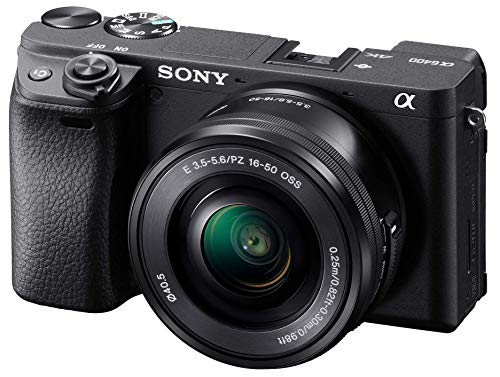
The Sony Alpha a6400 Mirrorless Camera (ILCE-6400L/B) stands out as an ideal choice for videographers seeking high-quality 4K video capabilities in a compact design. With a 20.1MP stacked back illuminated sensor and a versatile 16-50mm lens, you’ll capture stunning footage effortlessly. Its impressive autofocus system features 425 phase and contrast detection points, ensuring sharp focus even during fast action. The 180° tilting touchscreen makes framing shots a breeze, while optical image stabilization enhances smoothness. At just 10.3 ounces, it’s lightweight and portable. Plus, with a solid 4.5-star rating, it’s a reliable option for any aspiring filmmaker.
Best For: The Sony Alpha a6400 Mirrorless Camera is best for videographers and photographers looking for a compact camera with excellent 4K video capabilities and advanced autofocus features.
Pros:
- Compact and lightweight design makes it easy to carry for on-the-go shooting.
- Impressive autofocus system with 425 phase and contrast detection points ensures sharp focus during fast action.
- 180° tilting touchscreen allows for easy framing of shots from various angles.
Cons:
- Limited battery life may require additional batteries for extended shooting sessions.
- No in-body image stabilization, relying solely on optical stabilization from the lens.
- Price point may be higher compared to entry-level cameras, making it less accessible for beginners.
Sony a7 III Full-Frame Mirrorless Camera with 28-70mm Lens

For aspiring filmmakers and content creators, the Sony a7 III Full-Frame Mirrorless Camera with the 28-70mm Lens offers a powerful combination of versatility and performance. With a 24.2MP back-illuminated sensor and a dynamic range of 15 stops, you’ll capture stunning 4K UHD video and sharp images. Its impressive ISO range of 50 to 204,800 guarantees great low-light performance. The 693 phase-detection AF points provide speedy autofocus, while continuous shooting at 10fps keeps you ready for action. Weighing just 1.8 pounds, it’s portable enough for any shoot, making it an ideal choice for your video endeavors.
Best For: Aspiring filmmakers and content creators looking for a versatile and high-performance camera for both video and photography.
Pros:
- High-quality 4K UHD video capabilities with stunning image sharpness and detail.
- Excellent low-light performance with an ISO range of 50 to 204,800.
- Lightweight and portable design at just 1.8 pounds, making it easy to carry for all-day shoots.
Cons:
- Limited lens options included with the kit lens, which may require additional purchases for more versatility.
- No built-in image stabilization in the camera body, which may affect handheld shooting.
- Average battery life may necessitate carrying extra batteries for extended shooting sessions.
Canon EOS R6 Mark II Mirrorless Camera (Body Only)

Looking for a versatile camera that excels in both photography and video? The Canon EOS R6 Mark II could be your perfect match. With a full-frame CMOS sensor offering 24.2 megapixels and the DIGIC X processor, you’ll enjoy stunning image quality. Capture high-speed action at up to 40 fps, while advanced autofocus guarantees sharp focus on subjects. When it comes to video, shoot 6K oversampled 4K at 60 fps or Full-HD at 180 fps. Plus, its built-in Wi-Fi and Bluetooth make sharing effortless. Weighing just 1.3 pounds, it’s lightweight for all your creative endeavors.
Best For: The Canon EOS R6 Mark II is best for professional photographers and videographers seeking a high-performance mirrorless camera with advanced features for dynamic shooting.
Pros:
- High-speed continuous shooting capability of up to 40 fps, ideal for capturing fast-moving subjects.
- Advanced autofocus system with face and eye detection for both humans and animals, ensuring sharp images.
- Versatile video recording options including 6K oversampled 4K at 60 fps and Full-HD at 180 fps for high-quality video production.
Cons:
- Limited memory recording capacity of 29 minutes may require frequent stops for longer video shoots.
- Body only design means additional costs for lenses, as it does not include any lenses in the package.
- Higher price point compared to entry-level cameras, which may not suit beginners or casual users.
Canon EOS R50 V Mirrorless Camera Kit with 14-30mm Lens

With its impressive 4K uncropped video capability at 30 frames per second, the Canon EOS R50 V Mirrorless Camera Kit is an ideal choice for aspiring videographers and content creators. Featuring a 24.2MP APS-C CMOS sensor and the DIGIC X processor, you’ll capture stunning high-resolution footage. The included 14-30mm lens offers versatility with built-in image stabilization, ensuring sharp images. Enjoy the convenience of a fully articulating touch screen for easy framing and creative shooting modes. With a lightweight design at just 4.4 pounds, this kit is perfect for on-the-go filming, making it an excellent addition to your video gear.
Best For: The Canon EOS R50 V Mirrorless Camera Kit is best for aspiring videographers and content creators looking for a lightweight, high-performance camera with versatile shooting capabilities.
Pros:
- High-resolution capabilities with a 24.2MP sensor and 4K video at 30p for stunning visuals.
- Versatile lens included with built-in image stabilization and wide-angle zoom for various shooting scenarios.
- User-friendly features such as a fully articulating touch screen and multiple creative shooting modes.
Cons:
- Limited low-light performance due to the f/4-6.3 aperture range of the lens.
- No built-in flash, which may limit options in low-light situations without an external flash.
- Relatively heavier compared to some compact mirrorless options at 4.4 pounds, potentially affecting portability.
Nikon Z50 II Compact Mirrorless Camera with Two Lenses

The Nikon Z50 II Compact Mirrorless Camera is ideal for aspiring videographers who want a lightweight and versatile option without sacrificing quality. With its 20.9-megapixel sensor and 4K UHD video capabilities, you can capture stunning footage effortlessly. The included NIKKOR Z DX lenses—a 16-50mm and a 50-250mm—provide excellent versatility for any shooting scenario. Enjoy features like built-in electronic VR for smooth video, customizable picture control presets, and easy connectivity via Bluetooth and Wi-Fi. Weighing just 2.4 pounds, this compact camera is perfect for on-the-go shooting, making it a fantastic choice for your video projects.
Best For: The Nikon Z50 II Compact Mirrorless Camera is best for aspiring videographers and photographers seeking a lightweight, versatile camera that delivers high-quality images and videos.
Pros:
- High-Quality Images: 20.9-megapixel sensor and 4K UHD video capabilities ensure professional-grade results.
- Versatile Lenses: Comes with two NIKKOR Z DX lenses (16-50mm and 50-250mm) for varied shooting scenarios.
- Easy Sharing: Built-in Bluetooth and Wi-Fi with Nikon SnapBridge app facilitate quick photo and video sharing.
Cons:
- Limited Continuous Shooting Speed: At 5 FPS, it may not satisfy those needing faster burst shooting for action photography.
- Weight: Weighing 2.4 pounds, it may be considered slightly heavy for some users looking for ultra-portable options.
- Maximum Aperture: The maximum aperture of f/4.5-6.3 may not perform as well in low light compared to faster lenses.
Canon EOS R50 Mirrorless Camera Bundle

For aspiring vloggers and content creators, the Canon EOS R50 Mirrorless Camera Bundle stands out with its UHD 4K video capability and fully articulating touchscreen. With a 24.2MP APS-C CMOS sensor and DIGIC X processor, you’ll capture vibrant colors and excellent low-light performance. The Dual Pixel CMOS AF II guarantees fast and precise autofocus, making it perfect for action shots and family moments. Plus, the bundle includes an RF-S 18-45mm lens, an RF-S 55-210mm lens, and a 64GB SDXC memory card, giving you everything you need to start creating stunning videos right away.
Best For: Aspiring vloggers and content creators looking for a versatile camera with excellent video capabilities and autofocus performance.
Pros:
- High-quality 24.2MP APS-C CMOS sensor for vibrant color and low-light performance.
- UHD 4K video capability with a fully articulating touchscreen for easy vlogging.
- Includes essential accessories like lenses, a memory card, and a filter kit for immediate use.
Cons:
- May be considered bulky compared to compact cameras.
- Limited battery life when shooting in 4K.
- No built-in stabilization, which may require a tripod for steady video.
Factors to Consider When Choosing a Mirrorless Camera for Video
When you’re choosing a mirrorless camera for video, several key factors can make a big difference. You should think about video resolution options, frame rate flexibility, and autofocus performance to guarantee you capture high-quality footage. Don’t overlook low-light capability and image stabilization features, as these can greatly enhance your shooting experience.
Video Resolution Options
Choosing the right video resolution is essential for getting the most out of your mirrorless camera. Look for options that support 4K resolution, which guarantees high-quality footage and helps future-proof your content. While Full HD (1080p) at 60 frames per second (fps) is standard for smooth motion, consider models that offer higher frame rates like 120 fps for slow-motion effects. Some cameras provide uncropped 4K capabilities, preserving the full sensor area to maximize your field of view and depth of field. Additionally, check the video recording formats; H.264 and H.265 (HEVC) impact compression efficiency and quality. Finally, verify the camera can handle high bit rates for better video quality and detail in your footage.
Frame Rate Flexibility
While exploring the world of mirrorless cameras, understanding frame rate flexibility is essential for achieving the desired visual effects in your video projects. You can choose different speeds, like 24 fps for that cinematic feel or higher rates like 60 fps for smoother motion during fast-paced scenes. If you’re looking to create slow-motion effects, some cameras support frame rates up to 120 fps or higher, letting you capture swift action beautifully. Many models also offer 4K recording at frame rates such as 30p or 60p, perfect for professional needs. Additionally, with varying resolutions and frame rates, you can tailor your footage to fit your project, enhancing your flexibility in post-production for color grading and dynamic range.
Autofocus Performance
Autofocus performance plays a vital role in the effectiveness of your video shooting, especially with the fast-paced nature of many projects. Advanced systems like Dual Pixel CMOS AF provide fast, accurate focus tracking, essential for keeping your subjects sharp. Look for cameras with a higher number of autofocus points—up to 651 points—enhancing subject tracking during dynamic scenes. Continuous autofocus capabilities that operate in real-time allow for smooth focus shifts, important for capturing moving subjects. Eye autofocus features are particularly beneficial for portrait and interview-style videos, ensuring you maintain focus on your subject’s eyes. Additionally, image stabilization works hand-in-hand with autofocus systems, delivering steady shots and minimizing focus disruptions caused by camera movement.
Low-Light Capability
When shooting video in low-light conditions, understanding a camera’s capabilities can make all the difference. A camera’s ISO range is essential; a lower minimum ISO, like 50, enhances sensitivity in dim environments. Larger sensors, such as full-frame or APS-C, excel in low light by capturing more light and detail. It’s also beneficial to choose cameras equipped with high-quality image processors, like DIGIC X or BIONZ XR, as they greatly improve noise reduction in your footage. Continuous shooting capabilities at higher frame rates can help you capture smoother motion, making dynamic scenes appear fluid even in challenging lighting. These factors combined will guarantee you get the best possible results when filming in low-light conditions.
Image Stabilization Features
Choosing a mirrorless camera for video means you need to pay close attention to image stabilization features. Good image stabilization (IS) is essential for reducing camera shake and achieving smooth footage, especially when shooting handheld or on the move. You’ll encounter two main types of IS: optical stabilization, which is in the lens, and in-body stabilization, which adjusts for camera movement via the sensor. Look for advanced options like 5-axis in-body stabilization, which corrects various shifts, enhancing stability in diverse environments. The effectiveness of these systems is often rated in stops; higher ratings mean better compensation for motion. Ultimately, consider both the type of stabilization and its performance to guarantee you capture high-quality video.
Connectivity and Sharing
After verifying you have adequate image stabilization for smooth footage, the next factor to contemplate is how you’ll connect and share your videos. Look for cameras with Wi-Fi and Bluetooth connectivity, making it easy to transfer videos and images to your smart devices for quick sharing and editing. USB-C ports can speed up data transfer rates, allowing you to move large video files effortlessly to your computer or external storage. Some models even support live streaming through USB, enabling real-time broadcasting. Confirm the camera supports various file formats, like MP4 and MOV, for compatibility with different editing software. Finally, consider options with app integration for seamless sharing and remote control, enhancing your content creation experience.
Lens Compatibility
Lens compatibility plays an integral role in your mirrorless camera selection, as it directly influences the types of lenses you can use for various shooting scenarios. Different mounts mean you’ll need to guarantee your camera supports a range of lenses that fit your videography needs. If you’re shooting in low light, look for lenses with wider apertures, like f/1.8 or f/2.8, to maximize light intake. Additionally, consider lenses with image stabilization features to reduce shake and vibrations during handheld shooting, which enhances your video quality. Don’t overlook autofocus capabilities either; smooth and quiet focusing is vital for professional-looking footage without distracting noise or abrupt shifts. Choose wisely to elevate your videography experience!
User-Friendly Interface
When you’re diving into the world of mirrorless cameras for video, a user-friendly interface can make all the difference in your shooting experience. Look for cameras that feature intuitive touchscreen controls and clearly labeled buttons, so you can access frequently used functions quickly. Automatic scene modes are a plus, as they simplify the shooting process, allowing you to select the right settings for various environments effortlessly. A thorough menu system with well-organized categories will help you locate specific settings without frustration. Additionally, a fully articulating screen is invaluable for vlogging or capturing creative angles, ensuring you can frame your shots while keeping an eye on your composition. Prioritize these features to enhance your overall filming experience.