Choosing the right monitor can make camera setup faster, focusing easier, and on-set confidence much higher. For crews that need professional connectivity, camera field monitors with SDI input are a smart fit for both video and hybrid production.
Below, we’ve focused on practical options that balance screen quality, brightness, and useful monitoring tools so you can find the right display for your camera rig, workflow, and shooting environment.
Best 10 Camera Field Monitors with Sdi Input Picks for 2026
Flagship Brightness with Camera Control
Osee G7 Pro 7'' 3000Nits Touch Monitor

- 3000-nit screen for bright outdoor use
- 3G-SDI I/O and 4K HDMI in/out
- Touch camera control and focus tracking
Best For: Outdoor shooting with SDI, camera control, and high brightness
Large-Screen Studio Option
LILLIPUT A11 10.1" 4K SDI Monitor

- 10.1-inch 1920x1200 display
- 3G-SDI plus 4K HDMI input
- Multiple mounting choices for rigs
Best For: Crews wanting a bigger SDI monitor with flexible mounting
Balanced 7-Inch Monitoring
FEELWORLD FW703 7" SDI Field Monitor

- 7-inch 1920x1200 IPS display
- Waveform, peaking, false color, and LUT support
- HDMI 4K plus 3G-SDI connectivity
Best For: Day-to-day field monitoring with essential exposure tools
Rugged Metal-Bodied Choice
LILLIPUT FS7 7" SDI HDMI Monitor

- Metal housing for tougher field use
- 3G-SDI I/O with 4K HDMI input
- Includes peaking, false color, histograms, and audio meters
Best For: Durable SDI monitoring in compact field or studio rigs
Daylight-Ready Touch Monitor

- 2000-nit IPS touchscreen for sunlight visibility
- 3G-SDI loop in/out supports up to 1080p 60Hz
- Waveform, false color, peaking, and 3D LUT support
Best For: Bright outdoor shoots and compact SDI/HDMI monitoring
High-Brightness Studio Monitor

- 1800-nit 7-inch display for daylight viewing
- HDR, 3D-LUT, peaking, false color, and audio tools
- Dual battery plate design supports longer shoots
Best For: Bright on-camera monitoring when a larger HDMI display is preferred
Field-Ready SDI Touch Monitor

- 2000-nit Full HD touchscreen is readable outdoors
- 3G-SDI loop in/out plus 4K HDMI loop in/out
- Shortcut keys and 3D LUT support streamline monitoring
Best For: Travel shoots and fast field setups needing bright SDI monitoring
Pro 7-inch SDI Monitor
FEELWORLD FW703 7-inch Rec.709 field monitor
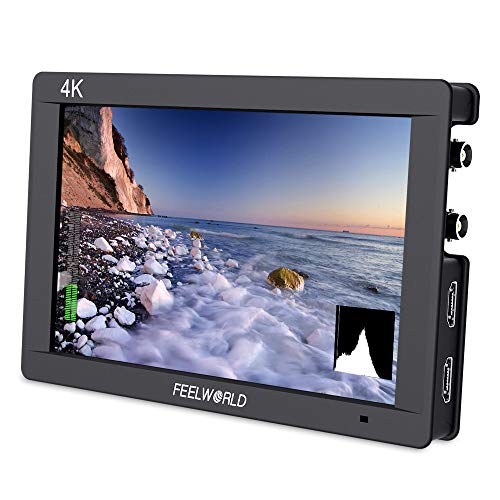
- 7-inch 1920×1200 IPS display
- 3G-SDI and HDMI 4K connectivity
- Waveform, vectorscope, LUT, and focus tools
Best For: Indoor film, interview, and broadcast setups
Touchscreen SDI Monitor
VILTROX DC-L2 7-inch touchscreen SDI monitor

- 7-inch IPS touchscreen with 600-nit brightness
- 4K HDMI and 3G-SDI in/out with loop support
- Waveform, vectorscope, histograms, and custom LUTs
Best For: Crews needing fast-touch control and signal loop-out
High-Brightness OLED SDI Monitor
NEEWER F700U 7-inch OLED touchscreen SDI monitor

- 7-inch OLED touchscreen with 1200 nits
- 3G-SDI input/output and 4K HDMI loop out
- 15 built-in LUTs plus up to 64 custom LUTs
Best For: Bright, contrast-rich monitoring on professional sets
Flagship Brightness with Camera Control – Osee G7 Pro 7'' 3000Nits Touch Monitor
If you need camera field monitors with sdi input for bright outdoor work, the Osee G7 Pro is built to stay visible and useful on set. Its 3000-nit panel, 3G-SDI I/O, and 4K HDMI in/out give it the core connectivity and monitoring tools many shooters want in a compact 7-inch form factor.
Best For: Outdoor shooters who want a very bright monitor with SDI, camera control, and touchscreen focus tools.
Pros:
- 3000-nit brightness is designed for outdoor filming without needing a sunshade hood.
- 3G-SDI input/output plus 4K HDMI in/out supports flexible monitoring setups.
- Touchscreen camera control can handle functions like WB, ISO, aperture, shutter speed, and record on supported cameras.
- Analysis tools include waveform, histogram, vectorscope, false color, and up to 10 3D LUTs.
Cons:
- Camera control only works when powered by an NP-F battery.
- SDI is limited to up to 1080p60 signal support.
- Touch focus and tracking depend on supported camera models.
The G7 Pro stands out if your priority is daylight visibility plus control features that reduce time spent reaching for the camera. It is a strong all-in-one option for field work where brightness and SDI connectivity both matter.
Large-Screen Studio Option – LILLIPUT A11 10.1" 4K SDI Monitor
For buyers comparing camera field monitors with sdi input and wanting a larger viewing area, the LILLIPUT A11 offers a 10.1-inch 1920×1200 display with 4K HDMI and 3G-SDI input. It is aimed at on-site filming, broadcast, movie work, and post-production where a bigger screen can make framing and review easier.
Best For: Crews that want a larger 10.1-inch monitor with SDI support and flexible mounting.
Pros:
- 10.1-inch screen with native 1920×1200 resolution gives a larger viewing area.
- 3G-SDI supports 3G-SDI, HD-SDI, and SD-SDI signal inputs.
- 4K HDMI 1.4b input supports up to 4K 30Hz.
- Multi-angle mounting options include 1/4-inch screw holes, VESA 75mm, and gimbal brackets.
Cons:
- Brightness is listed at 320 cd/m2, which is not especially high for harsh daylight.
- It is larger and heavier than typical 7-inch field monitors.
- Its features lean more toward general monitoring than advanced camera-control functions.
The A11 makes sense when screen size and mounting flexibility matter more than portability. If you want a bigger SDI monitor for studio-style or on-location work, it is an easy model to shortlist.
Balanced 7-Inch Monitoring – FEELWORLD FW703 7" SDI Field Monitor
The FEELWORLD FW703 is a practical pick if you want camera field monitors with sdi input that stay focused on the basics done well. Its 7-inch Full HD 1920×1200 IPS panel, Rec.709 color, and HDMI 4K plus 3G-SDI connectivity fit a wide range of DSLR, mirrorless, and cinema-camera setups.
Best For: Filmmakers and video crews who want a dependable 7-inch SDI monitor with standard exposure tools.
Pros:
- 1920×1200 IPS screen with Rec.709 color gives a clear monitoring view.
- Waveform, vectorscope, histogram, focus peaking, and false color help with exposure and focus.
- Supports custom 3D LUTs for previewing a Log workflow look.
- Works with DSLR, mirrorless, cinema cameras, camcorders, and switchers via HDMI and SDI.
Cons:
- It is a 450-nit monitor, so it is better suited to controlled lighting than harsh sunlight.
- There is no mention of touchscreen control or camera control features.
- Its strengths are monitoring tools, not premium brightness or advanced connectivity extras.
FW703 is a straightforward field monitor for people who care more about reliable image checking than flashy extras. It offers the right mix of SDI support and standard analysis tools for many day-to-day production workflows.
Rugged Metal-Bodied Choice – LILLIPUT FS7 7" SDI HDMI Monitor
If you want camera field monitors with sdi input in a compact and durable build, the LILLIPUT FS7 is worth a close look. It combines a 7-inch 1920×1200 panel with 4K HDMI input, 3G-SDI input/output loop through, and a metal housing for tougher field use.
Best For: Shooters who want a lightweight, rugged 7-inch SDI monitor with a broad set of assist tools.
Pros:
- Metal housing adds durability while keeping the unit relatively lightweight.
- 4K HDMI input and 3G-SDI input/output loop through support a wide range of workflows.
- Assisted monitoring tools include peaking, false color, histograms, exposure aids, audio meters, and pixel zoom.
- 7-inch 1920×1200 panel gives a clear Full HD viewing image.
Cons:
- Brightness is listed at 500 cd/m2, which is solid but not class-leading for sunny locations.
- The listed viewing angle is narrow in the provided specs.
- It does not advertise touchscreen control or camera control features.
The FS7 is a practical field monitor for users who value durability and broad monitoring functions over premium brightness. Its mix of SDI loop-through and metal construction makes it a dependable tool for field or studio setups.
Daylight-Ready Touch Monitor – VILTROX DC-X3 6 Inch
If you want camera field monitors with sdi input that stay usable outdoors, the VILTROX DC-X3 is built around a 2000-nit 6-inch touchscreen and a 3G-SDI path that supports up to 1080p 60Hz. It also adds 4K HDMI loop in/out, so it fits both hybrid HDMI rigs and SDI-based monitoring setups without giving up the core assist tools needed on set.
Best For: Solo shooters and small crews who need a bright, touch-controlled monitor with SDI support for daylight use.
Pros:
- 2000-nit brightness and anti-glare IPS panel help readability in sunlight.
- 3G-SDI loop in/out supports up to 1080p 60Hz, plus 4K HDMI loop in/out.
- Useful monitoring tools include waveform, vector, histogram, false color, peaking, and custom 3D LUT import.
- Flexible power options include NP-F battery, DC input, and Type-C power support.
Cons:
- SDI is limited to 1080p 60Hz, not full 4K SDI.
- The monitor is smaller than 7-inch alternatives if you prefer a larger image.
Overall, the DC-X3 is a practical choice if brightness and touchscreen speed matter more than a bigger panel. Its mix of SDI, HDMI, and monitoring aids makes it a strong fit for run-and-gun video production.
High-Brightness Studio Monitor – LILLIPUT H7S 7 Inch
For buyers comparing camera field monitors with sdi input, the LILLIPUT H7S stands out with a 7-inch 1800-nit screen and support for 4K HDMI input. Its notes emphasize bright daylight viewing, useful camera assist tools, and a dual battery plate design that helps keep longer shoots running without constant power swaps.
Best For: Crews that want a larger, very bright on-camera monitor with HDR-style assist features and extended battery flexibility.
Pros:
- 1800-nit brightness is designed for easier viewing in sunlight.
- 7-inch 1920×1200 panel gives more screen space than 6-inch monitors.
- Includes HDR, 3D-LUT, peaking, false color, marker, and audio level meter tools.
- Dual battery plate design supports longer operating time on set.
Cons:
- The listed inputs focus on HDMI and do not specify SDI input in the supplied notes.
- Glossy screen finish may be less ideal than anti-glare options in harsh light.
The H7S is best viewed as a bright, feature-rich field monitor for HDMI-centric setups that still need strong daylight performance. If you do not need SDI, it offers a lot of practical monitoring value in a larger format.
Field-Ready SDI Touch Monitor – VILTROX DC-X3 2000Nits
The VILTROX DC-X3 is one of the more complete camera field monitors with sdi input if you need a bright touchscreen for mixed production work. It combines a 2000-nit 6-inch Full HD IPS panel with 3G-SDI loop in/out, 4K HDMI support, and a set of focus and exposure tools that make it useful for both solo operators and small crews.
Best For: Videographers who want a compact daylight monitor with SDI, HDMI, and fast touch-based control.
Pros:
- 2000-nit brightness and 160° viewing angle improve outdoor visibility.
- 3G-SDI loop in/out supports up to 1080p 60Hz, alongside 4K HDMI loop in/out.
- Includes waveform, histogram, vector graph, false color, peaking focus assist, and custom 3D LUT loading.
- Four customizable shortcut keys help speed up operation in the field.
Cons:
- SDI support tops out at 1080p 60Hz rather than full 4K SDI.
- The screen is 6 inches, so users wanting a larger monitor may prefer a 7-inch model.
In practice, the DC-X3 is aimed at creators who want a bright, reliable monitor with the most-used assist tools in one compact unit. Its included accessories and multiple power options make it especially easy to deploy for travel and on-location work.
Pro 7-inch SDI Monitor – FEELWORLD FW703 7-inch Rec.709 field monitor
If you want camera field monitors with sdi input for dependable on-set checking, the FEELWORLD FW703 is built around a 7-inch Full HD IPS panel with Rec.709 color and practical tools for focus, exposure, and framing. It’s aimed at filmmakers and production teams that need clear monitoring for studio work, interviews, broadcast, and multi-camera setups.
Best For: Directors, cinematographers, and videographers who want a straightforward 3G-SDI field monitor for indoor production and accurate image review.
Pros:
- 1920×1200 IPS display with Rec.709 color for clear viewing
- 3G-SDI plus HDMI 4K connectivity for flexible camera and system use
- Includes waveform, vectorscope, RGB histogram, focus peaking, false color, and custom 3D LUT support
- Designed for professional indoor production, interviews, and broadcasting workflows
Cons:
- 450-nit brightness is more suited to controlled indoor environments than harsh daylight
- Not a touchscreen model
Overall, the FW703 is a practical choice if your priority is reliable SDI monitoring and useful exposure tools rather than extra convenience features. It fits well into serious video setups where image accuracy matters more than portability frills.
Touchscreen SDI Monitor – VILTROX DC-L2 7-inch touchscreen SDI monitor
For buyers comparing camera field monitors with sdi input, the VILTROX DC-L2 stands out with a 7-inch IPS touchscreen, 600-nit brightness, and 4K@30Hz HDMI and 3G-SDI in/out support. It’s packed with monitoring aids and flexible power options, making it a strong fit for shoots that need both workflow speed and signal flexibility.
Best For: Creators who want a touchscreen SDI monitor with loop-out support, custom LUTs, and easy outdoor-to-studio versatility.
Pros:
- 4K HDMI and 3G-SDI input/loop out for versatile signal routing
- Touchscreen control plus four customizable shortcut keys for faster operation
- Includes full waveform, vectorscope, RGB and brightness histograms, zebra, false color, and 3D LUT support
- Multiple power options, including NP-F, DC input, and USB-C
Cons:
- 1280×800 resolution is lower than some Full HD competitors
- 600-nit brightness is useful, but not class-leading for very bright daylight use
The DC-L2 is a well-rounded monitoring tool if you value connectivity and controls over sheer panel resolution. It’s especially attractive for crews that need SDI loop-through, quick adjustment, and a compact build for varied shooting setups.
High-Brightness OLED SDI Monitor – NEEWER F700U 7-inch OLED touchscreen SDI monitor
If you’re shopping camera field monitors with sdi input and want a brighter, higher-contrast display, the NEEWER F700U brings a 7-inch OLED touchscreen with 1200 nits and 1920×1080 resolution. It supports 3G-SDI input and output, making it a strong option for professional monitoring when you need clear detail, real-time audio, and a full set of exposure tools.
Best For: Shooters who want a bright OLED SDI monitor with strong contrast, touchscreen control, and built-in LUT support.
Pros:
- 7-inch OLED panel with 1200-nit brightness and 100000:1 contrast
- 3G-SDI input and output plus 4K HDMI input/loop out
- Includes peaking, false color, zebra, histogram, waveform, vectorscope, HDR, and audio levels
- Supports 15 built-in 3D LUTs and up to 64 custom LUTs
Cons:
- SDI supports HD formats up to 1920×1080 rather than higher-resolution SDI workflows
- DC adapter is not included
The F700U is the most display-forward option here, especially if contrast and visibility are top priorities. With OLED image quality, touchscreen control, and broad monitoring tools, it’s a strong match for crews that need a sharper on-camera reference.
How We Picked the Best Camera Field Monitors with Sdi Input
We prioritized monitors that offer SDI connectivity, usable field brightness, and features that help during real shoots, such as touchscreen control, peaking, false color, LUT support, tally, and reliable power options. We also considered screen size, resolution, and whether the monitor is better suited to compact rigs, run-and-gun work, or larger camera builds.
Quick Comparison
In this group, the biggest differences are size and daylight visibility. Smaller 6- to 7-inch models are easier to mount on mirrorless and cinema rigs, while 10.1-inch displays are better for focus pulling, client review, and director stations. High-nit options are more useful outdoors, while lower-brightness monitors can still work well indoors or with a shade.
Key Buying Factors for Camera Field Monitors with Sdi Input
Brightness and Outdoor Use
If you shoot in sunlight, brightness matters more than almost anything else. Look for higher-nit screens if you expect to monitor outdoors without a hood. For studio, interview, or controlled-location work, moderate brightness may be enough.
Resolution and Screen Size
Higher resolution helps with accurate framing and focus judgment, but screen size affects how comfortable the image is to read at a glance. A 7-inch monitor is the most versatile choice for most camera rigs, while a 10.1-inch model makes detail work easier when space is available.
SDI in and Loop Out
For professional setups, SDI is valuable because it handles longer cable runs and is common on broadcast and cinema gear. Loop out is especially useful when you need to feed another monitor, recorder, or wireless video system without adding extra splitters.
Monitoring Tools and Touch Controls
Features like focus peaking, waveform, LUT preview, zoom, and touch-to-focus can save time on set. If you work solo, touch controls and camera control features can be a major advantage. If you operate in a larger crew, fast menu access and dependable overlays may matter more than camera-control extras.
Who Should Buy Which Camera Field Monitors with Sdi Input?
If you want maximum portability, choose a compact 6- or 7-inch monitor with SDI and strong brightness. If you need a more comfortable viewing area for clients, focus pullers, or multi-person review, step up to a larger display. Shooters who work outdoors often should favor higher-nit models, while indoor creators can put more weight on color tools, touch responsiveness, and mounting flexibility. In short, the best Camera Field Monitors with Sdi Input are the ones that match your shooting environment, your camera system, and how much information you need on screen at once.