Choosing the right stabilizer can make handheld video look cleaner, more professional, and far easier to watch. If you want smoother footage without carrying heavy gear, the best options are often compact, fast to set up, and easy to balance.
This roundup of lightweight camera gimbals focuses on practical picks for mirrorless cameras, smartphones, pocket cameras, and action cams, so you can match the right tool to how you shoot.
Best 10 Lightweight Camera Gimbals Picks for 2026
Ultra-Compact Travel Pick
DJI RS 3 Mini Camera Gimbal Stabilizer
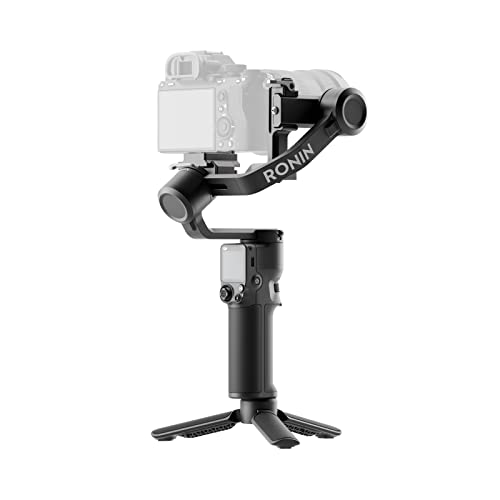
- 795g lightweight design for easier travel use
- Supports up to 2 kg camera and lens setups
- Native vertical shooting and Bluetooth shutter control
Best For: Travel creators and mirrorless shooters who want portability and vertical content support
Pocket Vlogging Upgrade
Xtra Muse 4K Pocket Gimbal Camera

- Built-in 3-axis gimbal stabilizer for smoother handheld footage
- 1-inch CMOS sensor with 4K/120fps recording
- 2-inch touchscreen and Master Follow for easy framing
Best For: Vloggers and solo creators who want an all-in-one pocket camera with stabilization
Smart Follow-Filming Pick

- Auto axis locks help speed setup to about 1 second
- Includes intelligent tracking module for follow-filming
- Supports cameras and smartphones up to 2 kg
Best For: Videographers and solo creators who want quick setup and subject tracking
Best Pocket Creator Option
DJI Osmo Pocket 3 Vlogging Camera

- Integrated 3-axis stabilization in a pocket-size body
- 1-inch CMOS sensor with 4K/120fps video
- Rotating 2-inch screen and ActiveTrack 6.0
Best For: Travelers, vloggers, and first-time creators who want compact stabilized video
Ultra-Portable Phone Stabilizer
hohem iSteady X3 SE 3-Axis Gimbal

- 0.79 lb foldable design for travel
- Detachable remote with 32.81 ft control
- 11-hour battery with 3-axis stabilization
Best For: Travelers and beginners filming on smartphones
All-In-One Creator Gimbal

- Works with phones, mirrorless, DSLRs, and action cams
- Built-in AI tracking without an app
- Includes case and extension pole
Best For: Creators who want one lightweight stabilizer for multiple devices
Pro Camera Stabilizer

- 3 kg payload for mirrorless rigs
- Native vertical shooting built in
- Teflon-coated axes for smoother balancing
Best For: Mirrorless shooters needing a compact pro gimbal
Phone Creator Pick
DJI Osmo Mobile 8 for Phone Shoots

- 3-axis stabilization for smooth phone footage
- Native tracking, audio reception, and lighting
- Built-in extension rod, tripod, and 10-hour battery
Best For: Phone creators who want tracking, lighting, and stabilization in one portable gimbal
Mirrorless Workhorse
FeiyuTech SCORP-C Camera Gimbal

- 3-axis stabilization for mirrorless and DSLR cameras
- Wide compatibility across Sony, Canon, Nikon, and more
- Five-way balancing system with integrated handle
Best For: Mirrorless and DSLR users who need a compact gimbal with broad camera compatibility
Ultra-Compact Travel Pick – DJI RS 3 Mini Camera Gimbal Stabilizer
If you want a lightweight camera gimbal that is easy to carry without giving up serious stabilization, the DJI RS 3 Mini is built for that balance. At 795g, it is aimed at travel-friendly shooting, and its 2 kg payload support makes it a practical match for many mirrorless camera and lens setups.
Best For: Travel creators and mirrorless shooters who want a compact, portable gimbal with native vertical shooting.
Pros:
- 795g body is easy to hold for extended shoots and travel use
- Supports up to 2 kg payload for a wide range of camera and lens combinations
- Native vertical shooting is convenient for social media content
- Bluetooth shutter control lets you trigger recording from the gimbal
Cons:
- Not water resistant
- Requires the DJI Ronin app for activation and full functionality
- Best suited to cameras rather than larger rigs
Overall, the RS 3 Mini stands out as a compact stabilizer for creators who prioritize portability and quick setup. Its touchscreen, strong motors, and vertical shooting support make it a flexible option for run-and-gun work.
Pocket Vlogging Upgrade – Xtra Muse 4K Pocket Gimbal Camera
The Xtra Muse is a different take on lightweight camera gimbals, combining a pocket camera design with a built-in 3-axis gimbal stabilizer. If you want an all-in-one vlogging camera that keeps footage smooth while staying easy to carry, its 1-inch CMOS sensor and 4K/120fps video support make it a strong creator-focused option.
Best For: Vloggers and solo creators who want a compact all-in-one camera with built-in stabilization.
Pros:
- Built-in 3-axis gimbal stabilizer helps reduce shake while moving
- 1-inch CMOS sensor and 4K/120fps video support cinematic shooting
- 2-inch touch screen supports horizontal and vertical framing
- Master Follow mode helps keep subjects centered during motion
Cons:
- Not water resistant
- Uses a compact camera form factor rather than a traditional interchangeable-lens gimbal setup
- Battery life is listed at 161 minutes, so long sessions may need planning
For creators who want stabilization built directly into the camera, the Xtra Muse is a practical grab-and-go choice. It is especially appealing if you value portability, fast framing, and a simple setup for travel or daily vlogs.
Smart Follow-Filming Pick – DJI RS 4 Mini Combo Gimbal
The DJI RS 4 Mini Combo is a lightweight camera gimbal designed for faster setup and more intelligent shooting support. With auto axis locks, a 2 kg payload rating, and the included tracking module, it is geared toward creators who want a compact stabilizer that can keep up with dynamic scenes and quick content changes.
Best For: Videographers and solo creators who want fast setup, tracking, and easy vertical switching.
Pros:
- Auto axis locks help it get ready in about 1 second
- RS Intelligent Tracking Module supports follow-filming and orbit shots
- Fast vertical switch makes social content easier to shoot
- Supports cameras and smartphones up to 2 kg
Cons:
- Not water resistant
- Heavier than the RS 3 Mini at 1.03 kg
- Requires the DJI Ronin app for activation and full functionality
Overall, the RS 4 Mini Combo is aimed at creators who value speed and smart shooting tools more than absolute minimal weight. Its quick setup and tracking features make it a strong pick for run-and-gun filming and mobile-friendly content.
Best Pocket Creator Option – DJI Osmo Pocket 3 Vlogging Camera
The DJI Osmo Pocket 3 is one of the most compact options for buyers comparing lightweight camera gimbals, but it is really an all-in-one vlogging camera with integrated 3-axis mechanical stabilization. Its 1-inch CMOS sensor, 4K/120fps video, and rotating 2-inch touchscreen make it a practical choice for creators who want smooth footage in a very small package.
Best For: Travelers, vloggers, and first-time creators who want pocket-size stabilization with easy framing.
Pros:
- Integrated 3-axis mechanical stabilization for smooth handheld footage
- 1-inch CMOS sensor with 4K/120fps recording
- 2-inch rotatable touchscreen supports horizontal and vertical shooting
- ActiveTrack 6.0 helps keep subjects centered while moving
Cons:
- Not water resistant
- Uses a fixed compact camera design rather than a camera-mounted gimbal
- Battery life is listed at 166 minutes, so extended days may need charging
If you want the smallest path to stabilized video, the Osmo Pocket 3 delivers a very portable solution. It is especially appealing for vlogging, travel, and everyday capture where convenience matters as much as image quality.
Ultra-Portable Phone Stabilizer – hohem iSteady X3 SE 3-Axis Gimbal
If you want lightweight camera gimbals for mobile shooting, the hohem iSteady X3 SE is built for travel, vlogging, and everyday video capture. It folds down to a pocket-friendly size, weighs just 0.79 lbs, and adds 3-axis stabilization plus app-based shooting tools to help keep handheld footage smooth and easy to control.
Best For: First-time gimbal users, travelers, and phone creators who want a compact stabilizer with remote control and long battery life.
Pros:
- Detachable magnetic remote lets you trigger selfies and video from up to 32.81 feet away.
- iSteady 8.0 3-axis stabilization is designed for smoother footage during jogging, jumping, and other movement.
- Foldable 0.79 lb design makes it easy to pack for trips and on-the-go shooting.
- 11-hour runtime supports longer filming sessions on a single charge.
Cons:
- Payload is limited to 0.66 lbs, so it is meant for smartphones rather than heavier cameras.
- Best suited to mobile content creation instead of interchangeable-lens setups.
This is a practical choice if portability matters more than pro-camera support. It combines useful controls, strong battery life, and beginner-friendly operation in a very compact package.
All-In-One Creator Gimbal – FeiyuTech SCORP Mini 2 Combo
Among lightweight camera gimbals, the FeiyuTech SCORP Mini 2 stands out for creators who switch between devices. It works with smartphones, mirrorless cameras, DSLRs, and action cameras, while built-in AI tracking, gesture control, and quick vertical shooting make it a flexible option for solo filming and social content.
Best For: Creators who want one gimbal for multiple device types, including phones and compact cameras.
Pros:
- Supports smartphones, mirrorless cameras, DSLRs, and action cameras in one kit.
- Built-in AI tracking works without needing an extra app.
- Fast horizontal-to-vertical switching is useful for TikTok, Reels, and YouTube.
- Includes a carrying case, carbon fiber extension pole, and other accessories for shooting on the go.
Cons:
- At 1.87 lb, it is heavier than phone-only gimbals.
- The feature set may be more than casual smartphone users actually need.
This combo kit is a strong pick if you want broad compatibility without buying separate stabilizers. It balances portability with enough payload support and controls to handle a wide range of content styles.
Pro Camera Stabilizer – DJI RS 4 3-Axis Gimbal
If you are comparing lightweight camera gimbals for mirrorless setups, the DJI RS 4 is aimed at serious camera users who want fast vertical shooting, precise balancing, and room for larger lens combinations. Its Teflon-coated axis arms, 3 kg payload capacity, and expandable accessory ecosystem make it a more advanced choice for dedicated camera rigs.
Best For: Mirrorless camera shooters who need a capable gimbal for solo content creation and heavier payloads.
Pros:
- 3 kg payload capacity supports mainstream mirrorless camera and lens combinations.
- Native vertical shooting makes it easy to switch into portrait format without extra accessories.
- Teflon-coated axis arms help reduce friction during balancing.
- RSA port expands compatibility with additional controls and accessories.
Cons:
- At 1.55 kg, it is heavier than phone-focused or travel-first stabilizers.
- Designed for camera systems, so it is not the right choice for smartphone-only users.
The RS 4 is best viewed as a compact professional tool rather than a casual travel accessory. If your priority is dependable camera stabilization with upgrade potential, it is the strongest of the three for larger setups.
Phone Creator Pick – DJI Osmo Mobile 8 for Phone Shoots
If you want one of the more versatile lightweight camera gimbals for mobile content, the DJI Osmo Mobile 8 is built for fast setup and smooth handheld shooting. It combines 3-axis stabilization with native tracking, audio support, and lighting, making it a strong fit for vlogging, live streaming, and casual filmmaking on the go.
Best For: Phone creators who want tracking, lighting, and stabilization in one portable gimbal.
Pros:
- 3-axis stabilization helps keep phone footage smooth during everyday recording or action shots.
- Native tracking, audio reception, and lighting add useful all-in-one shooting support.
- Built-in extension rod and tripod make group shots, selfies, and low-angle filming easier.
- 10-hour battery life and phone charging support are practical for long sessions and travel.
Cons:
- Designed for cellphones, so it is not a fit for dedicated cameras.
- Django Mimo app availability requires downloading from DJI’s official website, not Google Play.
Overall, this is a strong pick if you want a lightweight camera gimbal for phone content that saves setup time and adds useful creator features without extra gear.
Mirrorless Workhorse – FeiyuTech SCORP-C Camera Gimbal
For shooters comparing lightweight camera gimbals for real camera setups, the FeiyuTech SCORP-C stands out as a compact stabilizer for mainstream mirrorless and DSLR bodies. Its 3-axis design, adjustable balance system, and multiple shooting modes make it a practical option for creators who need stable handheld motion with supported camera-and-lens combos.
Best For: Mirrorless and DSLR users who need a compact gimbal with broad camera compatibility.
Pros:
- Supports a wide list of mainstream Sony, Canon, Nikon, Panasonic, and Fujifilm camera bodies.
- 3-axis stabilization and multiple modes help with panorama, timelapse, vertical shooting, and fast follow.
- Five-way center of gravity adjustment and memory slider simplify setup and rebalancing.
- Integrated hanging handle and folding bracket improve comfort and placement flexibility.
Cons:
- It is built for cameras, not phones.
- Compatibility depends on the specific camera and lens combo.
If you need a camera gimbal that can handle more than phone footage, the SCORP-C offers useful control features and strong compatibility in a relatively portable package.
Action Adventure Pick – Hohem iSteady Pro 4 for GoPro
Among lightweight camera gimbals for action shooting, the Hohem iSteady Pro 4 is designed for GoPro-style setups and other small action cameras. It focuses on splash resistance, long battery life, and simple operation, which makes it well suited to outdoor creators who want smooth footage without carrying a bulky rig.
Best For: Action-camera users who shoot outdoors and want splash resistance plus long runtime.
Pros:
- Compatible with GoPro Hero models, DJI OSMO Action, Insta360 ONE R, and Sony RX0.
- IPX4 splashproof design adds confidence for rainy or snowy conditions.
- 14-hour battery life and power-bank support help keep shoots going all day.
- 3-axis stabilization with the iSteady 5.0 algorithm aims for smoother footage during movement.
Cons:
- Does not support GoPro Hero 7 White and Silver models.
- For some compatible action cameras, it stabilizes only and does not control shutter or recording.
For outdoor filming with a small action camera, this model offers the right mix of portability, battery endurance, and weather protection for active use.
How We Picked These Lightweight Camera Gimbals
We prioritized portability, stabilization quality, payload support, battery life, and ease of use. For Lightweight Camera Gimbals, the best choice is not always the most powerful one; it is the one that fits your camera, your shooting style, and how often you travel.
We also looked for models that are easier to balance, quick to deploy, and practical for solo creators, vloggers, and run-and-gun shooting.
Quick Comparison
Use smartphone gimbals for phones, action-camera stabilizers for compact sports cameras, and mirrorless-camera gimbals for interchangeable-lens setups. Pocket cameras can be the fastest path to stabilized video if you want all-in-one convenience. If you need tracking or hands-off framing, look for AI-assisted features and responsive controls.
Key Buying Factors for Lightweight Camera Gimbals
Weight and Size
The whole point of Lightweight Camera Gimbals is mobility, so check both the gimbal’s own weight and how much space it takes in a bag. Smaller rigs are easier for travel, walking shots, and long handheld sessions.
Payload and Compatibility
Make sure the gimbal supports your camera body, lens combination, or phone size. Mirrorless and DSLR users should pay close attention to payload limits, while phone users should verify clamp width and accessory clearance.
Stabilization Modes and Controls
Pan follow, tilt follow, lock modes, and portrait orientation matter more than they first appear. A good layout helps you move quickly between talking-head shots, b-roll, and vertical social content.
Battery Life and Charging
Longer battery life matters if you shoot events, travel, or all-day content. Fast charging and power bank support can be useful when you are away from outlets.
Tracking and Smart Features
Some Lightweight Camera Gimbals add subject tracking, app control, or gesture features. These can help solo shooters stay in frame, but they should not come at the expense of reliability or balance.
Who Should Buy Which Lightweight Camera Gimbals?
Choose a smartphone gimbal if you create short-form content, travel videos, or social posts on a phone. Pick a pocket camera or compact hybrid if you want stabilization with an all-in-one setup. If you shoot with a mirrorless or DSLR camera, go for a dedicated camera gimbal with enough payload headroom. Action-camera users should favor a splashproof, purpose-built stabilizer that stays light and simple.
In short, the best Lightweight Camera Gimbals are the ones that disappear into your workflow and make steadier footage feel effortless.