Choosing the right microscope can make the difference between frustrating, blurry viewing and clean, reliable images that help you learn faster. If you’re comparing compound microscopes for school, home use, or lab work, the best pick depends on optics, stage quality, and how you plan to use it.
This roundup focuses on models that offer useful magnification ranges, solid construction, and features that matter in real use, so you can narrow the options with confidence.
Best 10 Compound Microscopes Picks for 2026
Research-Grade Trinocular Pick
Swift SW380T Compound Microscope

- 40X-2500X range with 4 DIN achromatic objectives
- Trinocular head supports camera add-ons
- Ultra-fine focusing and tilted Siedentopf head
Best For: Clinicians, students, and hobbyists needing a camera-ready trinocular scope
All-in-One Student Kit
PalliPartners Compound Microscope

- 100X-2000X magnification with dual LED illumination
- Includes 28 slides plus phone clip accessories
- SGS certified for student-friendly safety
Best For: Students and homeschoolers who want a complete starter kit
Digital Lab Value Pick
AmScope B120 Series Compound Microscope
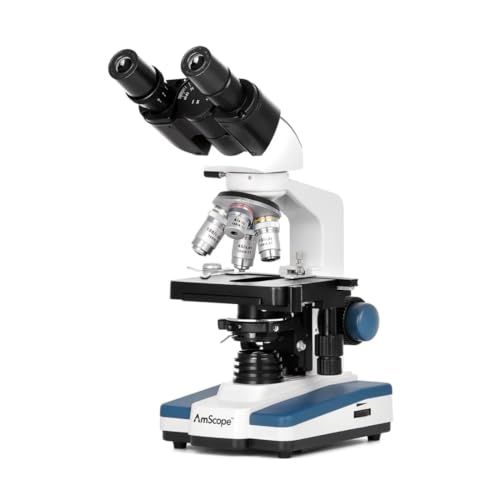
- 40X-2500X magnification with binocular viewing
- Includes 5MP USB camera and software
- LED fly-eye lighting for bright, balanced images
Best For: Users who want a microscope with included digital imaging support
Dual-Use STEM Kit
LaMulaAuto 100X-2000X Compound Microscope

- 100X-2000X range with WF25X eyepiece and Barlow lens
- Dual LED lighting for different specimen types
- All-metal frame with rotatable head and tilting eyepieces
Best For: Beginner and intermediate users needing a sturdy STEM microscope kit
Portable Student Compound Microscope
AmScope M150C-SP14-CLS-50P100S-WM

- 40X-1000X magnification range
- Includes slides, cover slips, and a book
- LED lighting with dual focus knobs
Best For: Home school, classroom use, and beginner slide viewing
Lab-Style Binocular Compound Microscope
OMAX 40X-2000X LED Binocular Microscope
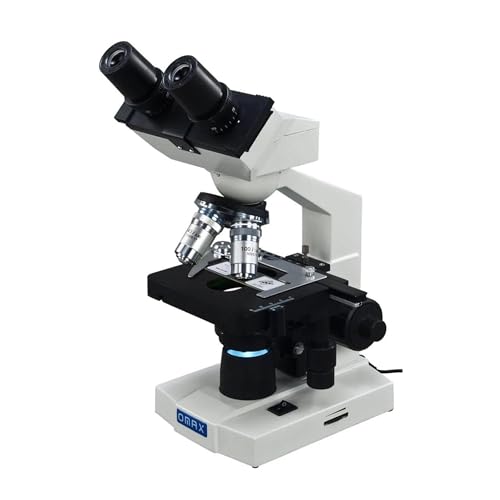
- 40X-2000X magnification range
- Binocular head with mechanical stage
- Includes slides, cover slips, and cleaning paper
Best For: Serious study and lab-style slide viewing
Cordless All-Metal Compound Microscope
AmScope M150C1000X Cordless LED Microscope

- 40X to 1000X in five settings
- All-metal frame with cordless LED light
- Runs on adapter or AA batteries
Best For: Students and families needing a durable portable microscope
Student Lab Pick
40X-2500X Compound Microscope for Home Learning

- 40X-2500X magnification range
- Dual LED lighting for different specimens
- Includes phone holder and starter accessories
Best For: Students and homeschool beginners who want an easy-to-use compound microscope
Research-Style Pick
Trinocular Compound Microscope with USB Camera

- 1.3MP USB camera for capture and sharing
- 40X-5000X range with four objectives
- Mechanical stage and variable LED lighting
Best For: Users who want trinocular viewing and USB imaging for classroom or lab use
Lab Value Pick
40X-5000X Trinocular Microscope with Dual Stage

- 40X-5000X magnification with trinocular design
- Dual mechanical stage and coaxial focus controls
- Includes a large lab accessory kit
Best For: Lab-minded users who want a bundled compound microscope with many included extras
Research-Grade Trinocular Pick – Swift SW380T Compound Microscope
If you want compound microscopes that feel closer to a lab instrument than a basic student scope, the Swift SW380T is built for serious viewing. It offers 40X to 2500X magnification, a trinocular head for camera add-ons, and a precise focusing system for detailed slide work.
Best For: Clinicians, university students, and hobbyists who want a camera-ready trinocular microscope with higher-end handling.
Pros:
- 40X-2500X magnification range with 4 DIN achromatic objectives
- Trinocular head supports microscope camera attachments
- Siedentopf head with 30-degree tilt helps reduce neck strain
- Coarse and ultra-fine focusing for precise adjustments
Cons:
- Camera attachment is not included
- More specialized than a basic beginner scope
Overall, this model stands out for shared viewing and imaging flexibility, making it a strong choice if you need a compound microscope that can grow with more advanced use.
All-in-One Student Kit – PalliPartners Compound Microscope
For buyers comparing compound microscopes for home study or classroom use, this PalliPartners kit is built to be ready right out of the box. It combines 100X to 2000X magnification, dual LED illumination, and a full slide set with phone-capture accessories.
Best For: Students, homeschoolers, and first-time users who want a complete microscope kit with slides and simple imaging tools.
Pros:
- 100X-2000X magnification with WF25X eyepiece and 2X lens
- Includes 10 prepared slides, 18 blank slides, and phone clip accessories
- Top and bottom LED lighting for opaque and translucent specimens
- SGS certified materials and electrical safety
Cons:
- Less suited to advanced lab use than higher-end research models
- Battery-powered design may be less convenient for some setups
This is a practical starter option if you want a complete, classroom-friendly compound microscope without needing to buy extra accessories separately.
Digital Lab Value Pick – AmScope B120 Series Compound Microscope
Among compound microscopes in this class, the AmScope B120 Series balances traditional optics with useful digital capture. It delivers 40X to 2500X magnification, binocular viewing, LED illumination, and a 5MP USB camera for recording or analysis.
Best For: Students, labs, and professionals who want a binocular microscope with included digital imaging tools.
Pros:
- 40X-2500X magnification for a wide range of specimen viewing
- Includes a 5MP USB camera with professional software
- LED lighting with fly-eye lens for bright, daylight-balanced illumination
- Backed by a 5-year manufacturer warranty
Cons:
- More expensive than basic entry-level microscopes
- Camera workflow may be more than casual users need
If image capture matters, this model is a strong value because it blends a practical student/professional microscope with built-in digital documentation support.
Dual-Use STEM Kit – LaMulaAuto 100X-2000X Compound Microscope
If you need compound microscopes that can handle both classroom basics and hobby use, this LaMulaAuto kit offers a practical mix of power and usability. It provides 100X to 2000X magnification, dual LED illumination, and a solid all-metal frame with ergonomic viewing features.
Best For: Beginner and intermediate users who want a sturdy microscope kit for home, STEM learning, or school labs.
Pros:
- 100X-2000X magnification with WF25X eyepiece and 2X Barlow lens
- Dual LED illumination for opaque and translucent specimens
- All-metal frame with coarse and fine coaxial focus
- 360-degree rotatable head and 38-degree tilting eyepieces
Cons:
- Best suited to beginners and amateurs rather than advanced research
- Smartphone support is included, but no dedicated camera is listed
This is a well-rounded option if you want a durable compound microscope kit that makes shared observation and straightforward specimen viewing easier.
Portable Student Compound Microscope – AmScope M150C-SP14-CLS-50P100S-WM
This AmScope compound microscope is a practical pick for students and hobbyists who want a portable setup with a straightforward 40X-1000X range. It includes a 50-piece blank slide set, 100 cover slips, and a book, so it is ready for educational use right out of the box.
Best For: Home school, classroom learning, and beginner slide viewing with a compact kit.
Pros:
- 40X-1000X magnification covers common educational observations.
- 360-degree rotatable monocular head adds viewing flexibility.
- LED lighting and coarse/fine focus help sharpen slide details.
- Includes slides, cover slips, and a microscope book for starters.
Cons:
- Monocular design is less immersive than binocular models.
- Best suited to educational and hobby use rather than advanced lab work.
Overall, this is a well-rounded compound microscope for learning the basics without extra setup. The included accessories make it especially convenient for a first microscope purchase.
Lab-Style Binocular Compound Microscope – OMAX 40X-2000X LED Binocular Microscope
For buyers comparing compound microscopes with more lab-oriented features, this OMAX model stands out with a binocular head, double-layer mechanical stage, and 40X-2000X total magnification. It also includes blank slides, cover slips, and lens cleaning paper, making it a more complete starter lab package.
Best For: Users who want a feature-rich binocular microscope for serious study or lab-style observation.
Pros:
- 40X-2000X magnification offers a wider range than many student models.
- Binocular head with 45-degree incline supports more comfortable viewing.
- Double-layer mechanical stage adds precise slide positioning.
- LED illumination, Abbe condenser, and coarse/fine focus support detailed work.
Cons:
- Corded electric power is less portable than battery-powered options.
- More complex feature set may be more microscope than casual users need.
This model is a strong step up if you want a more traditional lab feel and broader magnification options. Its stage, optics, and binocular viewing setup make it the most advanced pick in this group.
Cordless All-Metal Compound Microscope – AmScope M150C1000X Cordless LED Microscope
This AmScope compound microscope is aimed at home school and student use, with 40X, 100X, 250X, 400X, and 1000X settings and an all-metal build. Its cordless LED illumination can run from an outlet or AA batteries, which makes it easy to move between rooms or learning spaces.
Best For: Students and families who want a durable, easy-to-move microscope for general science work.
Pros:
- Five magnification settings cover everyday educational viewing.
- All-metal construction adds durability.
- Cordless LED lighting works with an adapter or AA batteries.
- Rotatable monocular head adds basic viewing flexibility.
Cons:
- Monocular head is simpler than binocular alternatives.
- Single lens condenser and disc diaphragm are less advanced than higher-end lab setups.
As a practical student microscope, this model balances durability with portability. It is a solid option if you want a dependable compound microscope without committing to a more complex lab-style design.
Student Lab Pick – 40X-2500X Compound Microscope for Home Learning
If you want compound microscopes for home learning, school lab work, or beginner biology practice, this model focuses on the essentials: strong magnification, dual illumination, and easy handling. Its 40X-2500X range, phone holder, and included slides make it practical for students who want to inspect both translucent specimens and opaque objects.
Best For: Students, kids, and homeschool users who want a feature-rich starter microscope with useful accessories.
Pros:
- 40X-2500X magnification with WF25X/10X eyepieces and 4X/10X/100X objectives
- Dual LED illumination for both above-light and below-light viewing
- Coarse/fine focusing helps with quick setup and sharper detail
- Includes a phone holder and a small slide/accessory set for getting started
Cons:
- Best suited to entry-level and student use rather than advanced lab work
- White, compact design may feel less substantial than heavier lab units
This is a good fit if you want a versatile learning microscope without overcomplicating the setup. The dual lighting and focus controls make it easier to observe different sample types, while the included accessories add immediate value for practice and experiments.
Research-Style Pick – Trinocular Compound Microscope with USB Camera
Among compound microscopes in this group, this trinocular model is built for users who want more than eyepiece viewing. The USB camera output, 40X-5000X range, and mechanical stage make it a better match for recording, sharing, and working through specimens with a computer or projector.
Best For: Adults, classrooms, and hobbyists who want trinocular viewing plus USB capture for sharing or documentation.
Pros:
- Trinocular design with a 1.3MP USB camera for live viewing, recording, and image capture
- 40X-5000X magnification with four achromatic objectives
- LED lighting with variable diaphragm for better light control
- Double-layer mechanical stage improves stability for positioning specimens
Cons:
- More specialized than a basic student microscope
- Best value depends on whether you will actually use the USB camera output
If you need a microscope that can support teaching, sharing, or basic documentation, this one stands out for its trinocular setup and digital output. The mechanical stage and adjustable lighting also make it more comfortable for detailed specimen work than simpler beginner models.
Lab Value Pick – 40X-5000X Trinocular Microscope with Dual Stage
If you’re comparing compound microscopes for lab-style use, this trinocular model leans into flexibility and accessory value. It pairs a 40X-5000X optical range with a dual mechanical stage, electronic eyepiece, and an unusually large included kit, making it appealing for users who want a more complete setup out of the box.
Best For: Lab-minded adults, students, and technical users who want a feature-packed microscope bundle.
Pros:
- 40X-5000X magnification with wide-angle eyepieces and achromatic objective lens
- Dual coaxial coarse/fine focusing plus adjustable pupil distance
- LED lighting, 306° swivel head, and double-layer model stage for smoother use
- Large accessory pack includes slides, coverslips, specimens, tools, and a phone holder
Cons:
- Feature-rich design may be more than casual users need
- Large bundle can add complexity if you only want basic observation
This is the strongest pick if you want a more complete microscope package rather than just the instrument itself. Between the trinocular layout, dual-stage setup, and broad accessory bundle, it is geared toward users who expect to do more hands-on specimen work.
How We Picked These Compound Microscopes
We prioritized models that balance image clarity, build quality, and everyday usability. That means looking at optical glass quality, objective range, mechanical stage precision, illumination type, camera support, and whether the design suits beginners, students, or more advanced users.
We also considered value: a good microscope should deliver dependable performance without forcing you to pay for features you may never use.
Quick Comparison
For classroom learning and first-time users, simpler binocular or monocular models are often the easiest to set up and use. For labs, hobby imaging, or documentation, trinocular options with a digital camera can be worth the extra cost. Higher magnification numbers sound impressive, but clearer optics and stable mechanics matter more than raw power.
Key Buying Factors for Compound Microscopes
Magnification Range
Most users do well with a practical range such as 40X to 1000X or a bit higher. Past that point, image quality depends heavily on the optics and slide prep.
Optics and Eyepieces
Fully coated glass optics, wide-field eyepieces, and achromatic objectives usually provide a sharper, more comfortable view than basic plastic components.
Stage and Focus Controls
A mechanical stage helps you move slides precisely, which is especially important at higher magnification. Smooth coarse and fine focus controls also make a big difference.
Illumination and Power
LED lighting is standard because it stays cool, bright, and efficient. Cordless models are useful for portability, while plug-in units are better for longer sessions.
Camera and Connectivity
If you want to capture images or teach from a screen, look for trinocular models or bundled USB cameras. Just make sure the software and camera resolution match your needs.
Who Should Buy Which Compound Microscopes?
Students and beginners should look for simple, durable Compound Microscopes with easy controls and a clear optical path. Teachers and lab users may prefer binocular or trinocular models with better stages and documentation features. If you need portability, choose a lighter cordless design. If you want the best long-term value, focus on optical quality and mechanical stability before chasing extreme magnification claims.
In short, pick the microscope that fits your sample types, viewing habits, and workspace. The right features will matter far more than the biggest number on the box.