Thermal imaging helps electricians spot hot spots, overloaded circuits, failing breakers, and loose connections before they become costly failures. The right tool can speed troubleshooting and improve confidence on the job.
In this roundup, we focus on practical performance, screen clarity, temperature range, connectivity, and ease of use so you can choose a thermal imaging tool for electricians that fits your workflow.
Best 10 Thermal Imaging Tool for Electricians Picks for 2026
Compact Rechargeable Thermal Imager

- Over 19,200 pixels for detailed spot checks
- Adjustable emissivity and temp alarms
- Rechargeable with USB-C image storage
Best For: Electricians needing a compact, easy-to-carry thermal imager for routine troubleshooting
High-Resolution Smart Scanner

- 256x192 detector with 640x480 super resolution
- Wi-Fi app transfer and PC analysis support
- 25 Hz refresh and custom temperature alerts
Best For: Electricians who want sharper imaging and app-based reporting
Phone-Mounted Thermal Inspector
Klein Tools TI223 Mobile Camera
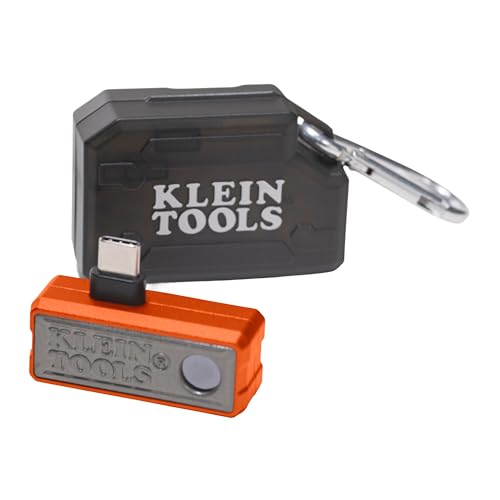
- 19,200-pixel thermal resolution
- iOS and Android compatible via USB-C
- Captures images, video, and time-lapse
Best For: Electricians who want a phone-connected thermal imager for portable inspections
Touchscreen Dual-Camera Scanner
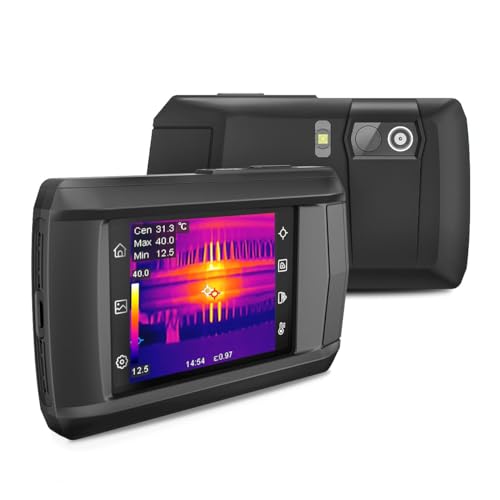
- 3.5-inch touchscreen with simple controls
- Dual cameras with thermal and visual modes
- Built-in recording and temperature alerts
Best For: Electricians wanting a touchscreen imager with visual camera support
Pro Pick
Klein TI290 Rechargeable PRO Thermal Imaging Camera

- Over 76,800 pixels for detailed thermal troubleshooting
- Wi‑Fi app support for capture, storage, and sharing
- High/low alarms plus adjustable emissivity
Best For: Electricians who want a handheld thermal camera with high-resolution imaging and simple wireless sharing.
Feature-Rich Choice
FOXWELL RT280 Thermal Imaging Camera

- 320×240 LCD with TISR-enhanced thermal resolution
- 8GB storage holds over 20,000 images and videos
- Windows PC software supports detailed analysis
Best For: Electricians who need a feature-packed thermal camera with onboard recording and PC-based analysis.
Phone-Connected Option

- Direct USB-C connection for iPhone 15 and newer
- 240×180 super resolution with MSX detail merging
- App includes inspection guides for common faults
Best For: Electricians who want a lightweight smartphone thermal camera with guided inspections.
Lightweight Dual-Mode Pick

- 240g ultra-light handheld design
- Thermal imaging plus thermometer mode
- 14-hour battery life for long inspections
Best For: portable electrical and HVAC spot checks
Fusion Imaging Value
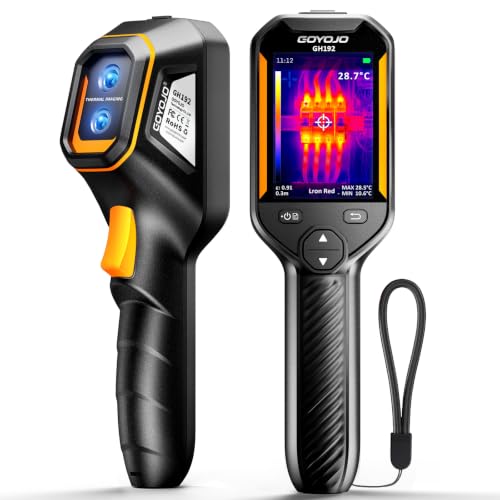
- 240x240 thermal resolution with 2MP visible camera
- Fusion, thermal, and conventional light modes
- IP54 protection with drop resistance
Best For: clearer hotspot checks with visual context
Phone-Based Pocket Option
GOYOJO Smartphone Thermal Camera

- USB-C plug-and-play with no batteries
- 192x192 IR resolution for inspections
- Works with compatible Android and iPhone models
Best For: portable phone-based thermal inspections
Compact Rechargeable Thermal Imager – Klein Tools TI250
The Klein Tools TI250 is a compact thermal imaging tool for electricians who want straightforward hot-spot and cold-spot checks without extra bulk. With over 19,200 pixels, three color palettes, and user-selectable temperature alarms, it’s built for fast troubleshooting on electrical panels and other field inspections.
Best For: Electricians who want a lightweight, rechargeable thermal imager for quick temperature checks and basic documentation.
Pros:
- Over 19,200 pixels for more detailed thermal inspection.
- Adjustable emissivity helps improve readings on different surfaces.
- High and low temperature alarms support faster anomaly monitoring.
- USB-C image capture and saving make it easier to store findings.
Cons:
- Fewer advanced analysis features than some app-connected models.
- Only three color palettes, so visualization options are more limited.
- Best suited to direct inspection rather than deeper reporting workflows.
Overall, the TI250 is a practical pick if you need a simple, rechargeable thermal camera that stays focused on essential inspection tasks. It balances portability, alarm features, and image capture in a compact package.
High-Resolution Smart Scanner – HSFTOOLS F2W Thermal Camera
The HSFTOOLS F2W is a feature-heavy thermal imaging tool for electricians who want higher-resolution viewing and more advanced inspection support. Its 256×192 detector with live super resolution, 3.2-inch screen, and intelligent scene detection make it well suited for checking electrical anomalies along with other troubleshooting tasks.
Best For: Electricians and inspectors who want sharper thermal detail, app sharing, and deeper analysis tools.
Pros:
- 256×192 detector with up to 640×480 super resolution for clearer images.
- 25 Hz refresh rate and <40 mK sensitivity support smoother inspections.
- Wi-Fi app transfer and Windows software help with analysis and reporting.
- Hottest, coldest, center, and custom spot readings improve anomaly checks.
Cons:
- More advanced features may be more than needed for basic spot checks.
- Larger and heavier than pocket-style thermal cameras.
- Intelligent scene tools are helpful, but not specifically built only for electrical work.
The F2W stands out when image clarity and workflow features matter more than minimal size. For electricians who document findings or compare inspections over time, it offers a strong mix of resolution, alerts, and software support.
Phone-Mounted Thermal Inspector – Klein Tools TI223 Mobile Camera
The Klein Tools TI223 is a thermal imaging tool for electricians who prefer working from a phone-based setup. It delivers 19,200-pixel resolution, supports iOS and Android, and adds multiple temperature modes plus image and video capture for convenient jobsite documentation.
Best For: Electricians who want a phone-connected thermal camera for quick checks and easy sharing.
Pros:
- 19,200-pixel resolution supports hot and cold spot troubleshooting.
- Works with iOS and Android devices for flexible use.
- Captures thermal images and video, including time-lapse video.
- Spot, high/low, and differential temperature readouts add inspection detail.
Cons:
- Depends on a compatible mobile device for operation.
- Phone case thickness is limited to 1/5 inch.
- Less self-contained than standalone thermal cameras.
If you want a thermal camera that fits into a mobile workflow, the TI223 is a sensible choice. It’s especially useful when you want to capture, store, and share inspection results directly from your phone.
Touchscreen Dual-Camera Scanner – HP96 Thermal Imaging Camera
The HP96 is a compact thermal imaging tool for electricians who want a touchscreen interface, visible-light support, and built-in recording in one device. With intelligent scene recognition, dual-camera imaging modes, and live super resolution, it’s aimed at faster anomaly checks in electrical systems and other inspection jobs.
Best For: Electricians who want a touchscreen thermal camera with dual imaging modes and built-in recording.
Pros:
- 3.5-inch touchscreen makes operation simple and fast.
- Dual cameras with thermal, visual, fusion, PIP, and blending modes improve detail.
- Automatic max/min/center tracking and custom alerts help flag overheating.
- Built-in storage and audio/video recording support documentation.
Cons:
- 96×96 base IR resolution is lower than higher-end inspection cameras.
- Intelligent scene recognition is geared to leaks and insulation gaps, not just electrical use.
- No moisture readings despite the scene-detection features.
The HP96 is a well-rounded option if you value easy operation and multiple viewing modes more than raw sensor resolution. It fits electricians who want a flexible, modern handheld camera for routine inspections and on-device recording.
Pro Pick – Klein TI290 Rechargeable PRO Thermal Imaging Camera
If you want a thermal imaging tool for electricians that balances resolution, portability, and easy sharing, the Klein Tools TI290 is built for practical field use. Its over 76,800-pixel image capture, selectable temperature alarms, and Wi‑Fi app support make it a strong fit for checking hotspots in panels, wiring runs, and other troubleshooting jobs.
Best For: Electricians who want a handheld thermal camera with high-resolution imaging and simple wireless sharing.
Pros:
- Over 76,800 pixels for clearer hotspot and cold-spot troubleshooting
- Wi‑Fi transfer through the free Klein Tools app for easy capture and sharing
- High/low temperature alarms from -40 to 752°F
- Adjustable emissivity from 0.01 to 0.99 for different materials
Cons:
- Uses a micro-USB charging cable rather than a newer USB-C setup
- Fewer palette options than some competitors, with 3 color choices
For electricians who value a sharp image and a straightforward workflow, the TI290 covers the essentials well. The drop resistance, rechargeable design, and app-based sharing make it a dependable everyday inspection tool.
Feature-Rich Choice – FOXWELL RT280 Thermal Imaging Camera
The FOXWELL RT280 is a thermal imaging tool for electricians who want more screen space, onboard storage, and deeper PC analysis. With a 320×240 LCD, TISR-enhanced thermal resolution, laser targeting, and automatic hot/cold point detection, it’s geared toward detailed inspections in panels, equipment, and confined spaces.
Best For: Electricians who need a feature-packed thermal camera with onboard recording and PC-based analysis.
Pros:
- 320×240 LCD with TISR enhancement for clearer thermal detail
- Built-in 8GB storage for over 20,000 images and videos
- PC software supports point, line, and area temperature analysis
- Laser pointer, LED light, and high/low alarms help in dark jobsite conditions
Cons:
- PC analysis is Windows-only and not compatible with Mac
- Bulkier workflow than a phone-attached thermal camera
This is a capable option if your inspections benefit from stored evidence and more detailed post-job review. The rugged 6.6-foot drop resistance and IP54 rating also make it a practical field companion.
Phone-Connected Option – FLIR ONE USB-C Thermal Camera
The FLIR ONE is a compact thermal imaging tool for electricians who prefer a phone-connected setup. It plugs directly into an iPhone 15 or newer with USB-C and uses super resolution plus MSX to sharpen the view, while the app’s inspection guides help with everyday checks like finding air leaks or moisture buildup.
Best For: Electricians who want a lightweight smartphone thermal camera with guided inspections.
Pros:
- Direct USB-C compatibility with iPhone 15 and newer
- Super resolution upscales images to 240×180 from 80×60 native IR
- MSX merges thermal and visual images for added detail
- Step-by-step inspection guides in the app for common faults
Cons:
- Works only with compatible iPhones using USB-C
- Native 80×60 IR resolution is lower before upscaling
For electricians who already work from an iPhone, this is an easy way to add thermal inspection capability without carrying a separate handheld unit. The compact build and 1.5-meter drop rating also suit jobsite use.
Lightweight Dual-Mode Pick – GT14S Thermal Imaging Camera
If you want a thermal imaging tool for electricians that stays simple to carry and flexible to use, the GT14S is built around fast everyday inspection work. It combines thermal imaging with a thermometer mode, so you can scan for heat patterns in one pass and switch to point readings when you need exact temperatures.
Best For: Electricians and HVAC users who want a lightweight handheld imager for quick thermal checks plus spot temperature readings.
Pros:
- 240g ultra-light design with a non-slip grip for longer inspections
- Dual mode setup: thermal imaging and thermometer mode
- Wide -4°F to 1022°F range for household, HVAC, and electrical diagnostics
- 14-hour battery life supports all-day use
Cons:
- Uses a compact, no-frills control layout rather than a larger pro-style interface
- Accuracy and detection quality depend on emissivity and distance settings
Overall, the GT14S is a practical pick if portability and long runtime matter more than advanced smart features. It gives you the basics needed to inspect hot spots, temperature anomalies, and general electrical or HVAC issues without adding much weight to your kit.
Fusion Imaging Value – GH192 Thermal Imaging Camera
The GH192 is a strong thermal imaging tool for electricians if you want a clearer view of targets during inspections. It pairs a 240×240 thermal imager with a 2MP visible-light camera and fusion imaging, which can make hotspots and surrounding context easier to see on the 2.8-inch IPS display.
Best For: Electricians and maintenance techs who want fusion imaging, temperature alarms, and a compact handheld body.
Pros:
- 240×240 thermal resolution with 2MP visual camera and fusion mode
- 25Hz refresh rate for quicker screen response
- Auto center, high, and low temperature tracking with alarms
- IP54 rating and 6.6ft drop resistance for tougher jobsite use
Cons:
- Rated accuracy is ±2°C, so it is better suited to practical diagnostics than precision lab work
- 8-hour runtime is solid, but shorter than some longer-life handheld options
For users who need more visual context while checking electrical systems, the GH192 balances detail, alerts, and durability well. Its fusion imaging and auto tracking make it easier to spot abnormal heat during routine troubleshooting.
Phone-Based Pocket Option – GOYOJO Smartphone Thermal Camera
If you want a thermal imaging tool for electricians that keeps your kit small, the GOYOJO adapter turns a compatible Android or iPhone into a thermal camera through USB-C plug-and-play. It is a practical choice for quick inspections when you want thermal capability without carrying a full standalone imager.
Best For: Electricians, DIYers, and field techs who want a pocket-sized phone-based thermal camera for fast inspections.
Pros:
- USB-C plug-and-play design with no batteries or pairing required
- 192×192 IR resolution for spotting electrical, plumbing, and HVAC issues
- Wide 50° field of view for scanning walls, ceilings, and floors
- Compact body that is easy to carry into tight spaces
Cons:
- Requires a compatible phone, so it is not a standalone camera
- Temperature range tops out at 752°F, which is narrower than some handheld units
This is a smart pick if you already work from your phone and want thermal imaging on demand. It is especially appealing for quick hotspot checks, leak detection, and general troubleshooting where portability matters most.
How We Picked the Best Thermal Imaging Tool for Electricians
We prioritized models that make electrical diagnostics faster and easier in real-world conditions. Key factors included IR resolution, usable temperature range, refresh rate, screen readability, portability, battery life, and features like image fusion or high/low temperature alerts. We also considered whether each Thermal Imaging Tool for Electricians is better suited to panel checks, routine maintenance, or mobile field work.
Quick Comparison
In general, higher-resolution cameras are better for identifying small hotspots on breakers, terminations, and motor controls, while phone-based options offer convenience and lower cost. Handheld units usually provide better ergonomics and more independent operation, while smartphone attachments are ideal for techs who already want app-based sharing and fast documentation. If you need frequent reporting, Wi-Fi or image transfer features can save time.
Key Buying Factors for a Thermal Imaging Tool for Electricians
Resolution and Image Detail
Higher IR resolution improves the ability to distinguish one warm component from another, especially in crowded panels. Super-resolution can help, but native sensor quality still matters most.
Temperature Range and Alerts
Look for a range wide enough to cover both ambient inspections and elevated fault conditions. High/low temperature points, alarms, and spot readings are especially useful when comparing phases or checking connections.
Display, Refresh Rate, and Workflow
A clear screen and responsive refresh rate make it easier to scan equipment in real time. Touch screens, fusion views, and visual cameras can help with context, while lightweight designs reduce fatigue during long inspection days.
Connectivity and Documentation
If you create reports or share findings with clients, choose a model with app support, image storage, or wireless transfer. That can streamline documentation for maintenance records and service calls.
Who Should Buy Which Thermal Imaging Tool for Electricians?
If you want a budget-friendly option for basic troubleshooting, a compact or smartphone-based model may be enough. For technicians who inspect panels daily or need more precise fault identification, a higher-resolution handheld unit is the better fit. If your work involves frequent field reporting, choose a model with strong connectivity, an easy interface, and reliable image capture. The best Thermal Imaging Tool for Electricians is the one that matches your inspection depth, mobility needs, and documentation workflow.