Finding the right infrared inspection camera for electrical panels can make troubleshooting faster, safer, and far more accurate. The best models help you spot hotspots, loose connections, and overloaded components before they become bigger problems.
In this roundup, we focus on image clarity, temperature range, battery life, durability, and ease of use so you can choose a camera that fits your inspection workflow.
Best 10 Infrared Inspection Camera for Electrical Panels Picks for 2026
Firecore FI160S
320x240 Super-Resolution Thermal Imager

- Super-resolution 320x240 clarity from 160x120 IR
- 4 imaging modes with laser and LED help in dark spaces
- 32GB storage and Windows PC analysis support
Best For: Electrical inspections and inspectors who need better image detail
GT14S
Lightweight 14-Hour Thermal Scanner
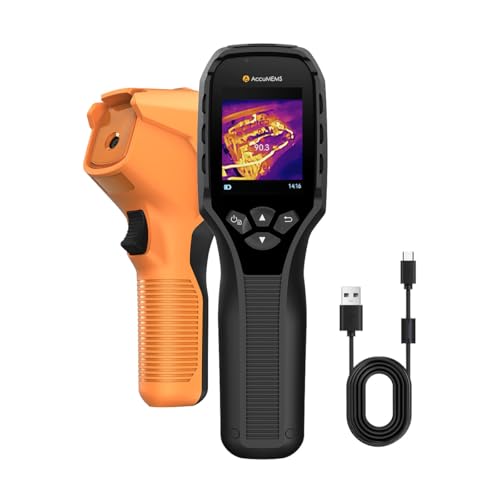
- Only 240g, making it easy to carry and use
- Up to 14 hours of battery life supports full-day jobs
- Thermal and thermometer modes with hot/cold spot alerts
Best For: Mobile technicians and all-day inspections
FOTRIC TK5
True 320x240 Industrial Thermal Camera

- True 320x240 detector with 40mK sensitivity
- Hot/cold tracking, emissivity control, and color alarms
- IP54 rugged build with 3.5-inch touchscreen
Best For: Professional electrical and industrial inspections
TR120
Dual-Camera Thermal Imager with IP65

- Infrared and visible-light dual-camera design
- 10-hour battery and Type-C charging
- IP65 housing with hot/cold spot tracking
Best For: Routine electrical checks in demanding environments
Commercial-Grade Pick
FLIR TG165-X Thermal Imaging Camera

- 80x60 IR with MSX image enhancement
- Bullseye laser helps target the measurement area
- IP54 rugged body with rechargeable battery
Best For: Electrical, HVAC, and building inspectors who want a durable thermal camera
Portable Alert Option
TOPDON TC004 Mini Thermal Camera

- 128x128 thermal image enhanced to 240x240 TISR
- High/low temp alerts with automatic photo capture
- 15-hour battery life in a pocket-sized body
Best For: Compact electrical inspection work where alerts and portability matter
Lightweight Long-Run Choice

- 240g body with thermal and thermometer modes
- Up to 14 hours of battery life
- Wide temperature range with custom alarms
Best For: All-day inspection jobs that need a lightweight camera and flexible readings
Precision Thermal Inspector
FOXWELL RT280 Thermal Imaging Camera

- TISR boosts effective thermal detail to 240×180
- 8GB storage keeps over 20,000 images and videos
- IP54 body with laser pointer and LED light
Best For: Routine electrical, HVAC, and mechanical inspections with simple PC reporting
High-Detail Panel Scanner
Thermal Master Thor002 Handheld Thermal Camera

- 512×384 resolution with 40mK sensitivity for finer detail
- 3.5-inch IPS screen with visible-light camera support
- USB and WiFi transfer plus 10.5-hour battery life
Best For: Users who need higher-resolution thermal imaging and flexible field reporting
Rugged Budget Inspector

- 256×192 thermal resolution with 4 display modes
- IP65 body with 2-meter drop protection
- 16GB storage, PC analysis, and Type-C charging
Best For: Rugged, easy-to-use electrical inspection and maintenance
Firecore FI160S – 320×240 Super-Resolution Thermal Imager
If you need an infrared inspection camera for electrical panels, the Firecore FI160S is built to spot hot connections, overloaded components, and other small temperature differences with its 320×240 super-resolution view. It also gives you visible-light, picture-in-picture, and thermal mix modes, which makes it easier to document what you find and explain it later.
Best For: Electrical troubleshooting, HVAC checks, and inspectors who want strong thermal detail plus documentation tools.
Pros:
- 320×240 super-resolution clarity from a 160×120 IR base
- 6 color palettes plus thermal, visible, PiP, and thermal mix modes
- 32GB built-in storage with Windows PC analysis software
- Laser, LED light, and auto hot/cold spot tracking for dark panel work
Cons:
- PC analysis software is Windows-only
- 2.4-inch display is smaller than some field-focused models
The FI160S is a practical choice if you want a feature-rich thermal camera with stronger image presentation and good inspection workflow support. Its rugged body, 6+ hour battery life, and alarm functions make it well suited to jobsite use.
GT14S – Lightweight 14-Hour Thermal Scanner
For anyone shopping for an infrared inspection camera for electrical panels, the GT14S stands out for its compact 240g design, wide 50-degree field of view, and long 14-hour runtime. It combines thermal imaging with thermometer mode and spot-tracking tools, making it easy to scan panels, isolate hot spots, and confirm readings quickly.
Best For: Long inspection days, mobile troubleshooting, and users who want a light camera with simple point-and-shoot checks.
Pros:
- Very light 240g body for comfortable handheld use
- Up to 14 hours of battery life for all-day work
- Thermal imaging plus thermometer mode and hot/cold spot views
- High-sensitivity sensor with custom high/low alarms and 7 color palettes
Cons:
- No storage or PC reporting features are mentioned
- Lower emphasis on advanced documentation than some rivals
The GT14S is a sensible pick if portability and runtime matter more than software extras. It should appeal to technicians who want quick thermal checks without carrying a larger, heavier camera.
FOTRIC TK5 – True 320×240 Industrial Thermal Camera
If you want a more professional infrared inspection camera for electrical panels, the FOTRIC TK5 focuses on true thermal resolution rather than software-upscaled detail. Its 320×240 detector, 40mK sensitivity, and built-in diagnostic tools are aimed at users who need reliable thermal data for electrical, HVAC, and building work.
Best For: Professional inspectors who want true thermal resolution and stronger on-tool diagnostics.
Pros:
- True 320×240 infrared detector with 40mK thermal sensitivity
- Useful inspection tools like auto hot/cold tracking and color alarms
- Four image modes including Infrared, T-DEF Fusion, and PiP
- Rugged IP54 build with 2-meter drop testing and 3.5-inch touchscreen
Cons:
- 4+ hour battery life is shorter than some competing models
- Heavier than compact handheld thermal cameras
The TK5 is a strong fit when image integrity matters and you want true sensor data for decision-making. It offers a serious toolset for field use, though its runtime is more modest than the longest-lasting options.
TR120 – Dual-Camera Thermal Imager with IP65
The TR120 is a straightforward infrared inspection camera for electrical panels when you want dual-camera context, long battery life, and rugged protection. Its thermal and visible-light views help you identify fault points more accurately, while the built-in alarms and LED light support work in darker service areas.
Best For: Users who want a durable, easy-to-use thermal imager for routine electrical and maintenance checks.
Pros:
- Dual-camera design with infrared and visible-light imaging
- 10-hour battery life and convenient Type-C charging
- Auto-tracking hot and cold spots with user-set alarms
- IP65 protection and 1.5-meter drop resistance for tough environments
Cons:
- 120×90 thermal resolution is lower than premium models
- Less advanced on-tool features than higher-end inspection cameras
The TR120 is a practical budget-friendly style of thermal camera for users who need dependable field performance and simple diagnostics. It is best when ruggedness and everyday usability matter more than maximum image detail.
Commercial-Grade Pick – FLIR TG165-X Thermal Imaging Camera
If you need an infrared inspection camera for electrical panels, the FLIR TG165-X is built for quick fault-finding with a practical 80×60 sensor, spot temperature reading, and MSX image enhancement. The bullseye laser helps show the measurement area, while the -25°C to 300°C range covers many common panel and equipment checks.
Best For: Technicians who want a rugged, easy-to-read thermal camera for electrical, HVAC, and building inspections.
Pros:
- MSX helps make thermal images easier to interpret by adding visual detail.
- Bullseye laser points to the measurement area for faster targeting.
- Rugged IP54 design is rated for dirt, dust, and oil exposure.
- Includes a strap, pouch, USB-C cable, and rechargeable battery.
Cons:
- 80×60 IR resolution is basic compared with higher-resolution options.
- Less focused on smart alert features or internal photo storage.
Overall, this is a straightforward, durable choice when reliability and easy spotting matter more than advanced camera features. It fits well in routine panel inspections where you want clear thermal feedback and simple operation.
Portable Alert Option – TOPDON TC004 Mini Thermal Camera
The TOPDON TC004 Mini is a compact infrared inspection camera for electrical panels that balances portability with useful diagnostics. It starts at 128×128 thermal imaging and uses TISR upscaling to 240×240, plus high/low temperature alerts and automatic photo capture when readings exceed your preset limit.
Best For: Users who want a pocket-friendly thermal camera with alerts and image capture for electrical and general inspection work.
Pros:
- TISR enhancement boosts the image from 128×128 to 240×240.
- High/low temp alerts and auto photo capture simplify diagnostics.
- 15-hour battery life supports longer inspection sessions.
- IP54 rating and 2-meter drop resistance add everyday durability.
Cons:
- Charging head is not included.
- Smaller mini format may be less comfortable for users who prefer a larger grip.
For routine panel checks, this model stands out for its mix of image improvement, alerting, and long runtime. It is especially practical if you want a compact tool that can capture and store inspection photos without a lot of setup.
Lightweight Long-Run Choice – GT14S Thermal Imaging Camera
If you want an infrared inspection camera for electrical panels with a broader temperature range, the GT14S offers full thermal imaging plus thermometer mode in a very light 240g body. Its -4°F to 1022°F range, live tracking, edge-enhanced display, and custom alarms make it suited to fast diagnostics across electrical and HVAC tasks.
Best For: Inspectors who want a lightweight thermal camera with long battery life and flexible temperature-reading modes.
Pros:
- Dual mode design combines thermal imaging and thermometer readings.
- 14-hour battery life supports all-day inspections.
- Wide -4°F to 1022°F range handles hotter diagnostics.
- Custom high/low alarms and 50° field of view speed up scanning.
Cons:
- No stated IP rating in the supplied notes.
- Focused more on inspection flexibility than on ruggedized construction details.
This is a strong fit if you value low weight, long runtime, and the ability to switch between thermal imaging and point temperature readings. It is a practical inspection tool for users who want quick scanning and clear temperature tracking in one device.
Precision Thermal Inspector – FOXWELL RT280 Thermal Imaging Camera
If you want an infrared inspection camera for electrical panels that balances clarity, portability, and easy documentation, the FOXWELL RT280 is a practical option. Its 320×240 LCD, TISR-enhanced thermal resolution, and 25Hz refresh rate help you spot temperature differences smoothly when checking panels, HVAC components, or other equipment.
Best For: Technicians and homeowners who want a compact thermal camera with clear thermal visuals, basic PC analysis, and onboard storage for routine electrical inspections.
Pros:
- 320×240 LCD with TISR enhancement to 240×180 effective thermal detail
- 25Hz frame rate, 50°×38° field of view, and 9 color palettes for easier spotting of hot areas
- Measures from -4°F to 1022°F with high/low alarms and ±3.6°F / ±2% accuracy
- 8GB eMMC storage holds more than 20,000 images and videos
Cons:
- PC analysis works with Windows only, not Mac
- Smaller 2.8-inch class viewing experience compared with larger-screen models
Overall, the RT280 is a straightforward pick for inspections where image capture, alerts, and ruggedness matter more than advanced smart-device connectivity. The laser pointer, LED light, and IP54/6.6-foot-drop protection make it a solid field tool for electrical work.
High-Detail Panel Scanner – Thermal Master Thor002 Handheld Thermal Camera
For buyers comparing an infrared inspection camera for electrical panels, the Thermal Master Thor002 stands out for its higher thermal resolution and bigger display. The upgraded X³ IR system, 3.5-inch IPS screen, and 25Hz refresh rate are designed to make small temperature changes easier to read during electrical, HVAC, and building inspections.
Best For: Professionals who want a higher-resolution thermal camera with wireless transfer, long battery life, and flexible measurement tools on site.
Pros:
- 512×384 thermal resolution with 40mK sensitivity for finer detail
- 3.5-inch 640×480 IPS display plus 2MP visible camera
- Wireless options include USB PC analysis and WiFi pairing with phones or iPads
- Long-lasting 5000mAh battery runs up to 10.5 hours and supports 18W fast charging
Cons:
- More advanced feature set may be more than casual users need
- Higher-end resolution can come with a more complex workflow than basic models
In practical use, this model is a strong fit when you need more thermal detail and more ways to review or share results. Its six-point measurement support, voice notes, QR file management, and IP54/droprated build make it well suited to professional field work.
Rugged Budget Inspector – UNI-T UTi260B Thermal Camera
If you need an infrared inspection camera for electrical panels that emphasizes durability and straightforward operation, the UNI-T UTi260B is a strong value-oriented option. Its 256×192 thermal resolution, 2.8-inch LCD, and multiple display modes give you the basics needed for electrical checks, equipment monitoring, and general maintenance work.
Best For: Users who want a rugged, easy-to-handle thermal camera for electrical testing, panel checks, and general inspection work.
Pros:
- 256×192 thermal resolution with thermal, blending, visible, and PIP display modes
- IP65 rating, 2-meter drop test, and nonskid rubber cover for tougher job sites
- Adjustable emissivity, HiLo tracking, ROI, and multi-point measurement tools
- Type-C charging, 5-hour runtime, 16GB micro SD storage, and PC analysis software
Cons:
- Lower thermal resolution than the higher-end cameras in this roundup
- 2.8-inch display is compact for users who prefer a larger screen
For users who care most about durability, simple handling, and essential inspection tools, the UTi260B covers the core job well. It’s especially appealing if you want one-handed operation and rugged protection without moving into a more expensive platform.
Choosing an Infrared Inspection Camera for Electrical Panels is about more than pixel count. For electrical work, you need enough thermal detail to distinguish a true hotspot from normal component warmth, plus a temperature range that covers real-world panel conditions.
How We Picked the Best Infrared Inspection Camera for Electrical Panels
We prioritized models that balance thermal resolution, refresh rate, measurement accuracy, and practical field features such as target markers, laser aids, built-in visual overlays, and rugged housings. We also looked for cameras that are easy to carry, quick to power on, and suitable for repeated inspections in utility, maintenance, HVAC, and building environments.
Quick Comparison
Higher-resolution cameras are the best fit when you need to inspect dense panels, compare similar breakers, or document findings for reports. Mid-range models usually offer the best value for routine preventive maintenance, while compact cameras are ideal for quick checks, apprentices, and users who need portability over advanced imaging detail.
Key Buying Factors for Infrared Inspection Camera for Electrical Panels
Thermal Resolution and Image Quality
Look for enough thermal resolution to reveal small temperature differences across terminals, breakers, and bus bars. Super-resolution features can help, but native sensor quality still matters most. A clear display and useful color palettes also make readings easier to interpret.
Temperature Range and Accuracy
Electrical panels can run warmer than expected, so choose a camera with a wide enough range and solid stated accuracy. If your work includes industrial panels or high-load equipment, a broader maximum temperature is especially helpful.
Frame Rate and Responsiveness
A 25Hz refresh rate is generally smooth enough for scanning panels and tracking heat patterns. Slower cameras can still work, but responsive imaging makes it easier to move from breaker to breaker without lag.
Durability and Field Use
Jobsite-ready features like IP-rated protection, drop resistance, comfortable grip, and long battery life matter if you inspect panels regularly. A lighter camera can reduce fatigue during repeated use.
Reporting and Workflow Features
Visual overlays, image storage, built-in thermometer modes, and easy file transfer can save time when documenting issues for clients or maintenance logs.
Who Should Buy Which Infrared Inspection Camera for Electrical Panels?
Buy a high-resolution, feature-rich model if you inspect electrical panels professionally and need clear documentation. Choose a mid-range camera if you want dependable performance for routine maintenance at a lower cost. Pick a compact, lightweight option if portability and quick spot checks matter most. For occasional users, an easy-to-read camera with basic thermal tools is usually the smartest value.